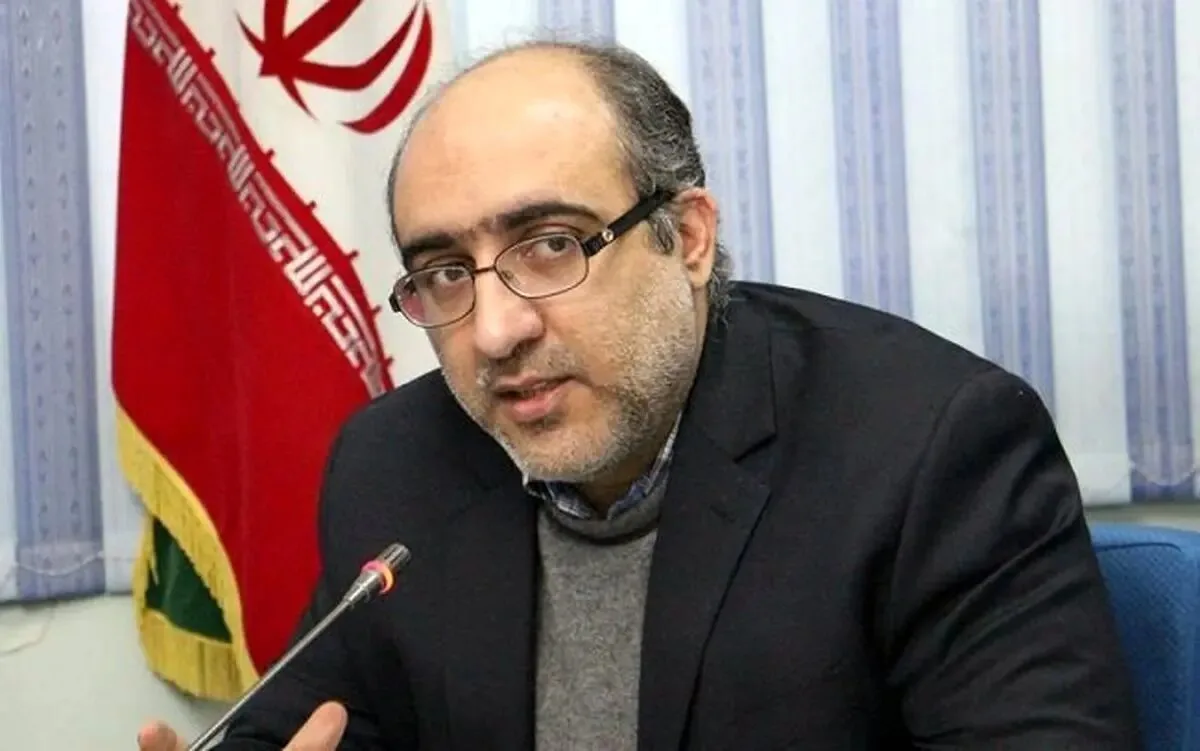
Roozbeh Korduni, an Iranian who rushes to help others in difficult social and economic conditions, is in the spotlight. He and his peers strive to do something for their city and homeland in times of need, but polls often present a distorted image of their reality. In this context, a fundamental question arises: which image is real?
Polls and Social Realities
As Roozbeh Korduni illustrates, there are two contradictory images of Iranians; one is a tired and worried Iranian, and the other is an active and energetic Iranian who rushes to help others in moments of need. These two images coexist simultaneously, and the error begins when one of these images is eliminated to favor the other.
Read more: Tehran Municipality Spokesperson: Our criterion is the people, not Western institutions
Polls are essential tools for understanding society. Ignoring the voice of the people and overlooking social changes can lead to a decrease in trust and an increase in despair within the community. Therefore, governance must rely on a kind of "social medicine" and understand the pulse of society well.
Social Capital and Civil Life in Iran
Social capital, which Robert Putnam defines as habits of cooperation and mutual trust, enables people to come together for the common good. This capital is not limited to the trust of the people in the government. In fact, familial, neighborly, and local group ties remain active and vibrant.
Despite existing limitations and challenges, Iranian society is alive and dynamic. In this context, civil activities such as efforts to preserve historical sites and defend the environment reflect social and cultural vitality. These activities may not be directly political, but they constitute part of the public and social life of the country.
Mohammad Beheshti, a cultural figure, uses the concept of "eligibility" to explain the relationship between the people and the land. This eligibility arises from a long life in a land and is the knowledge that people acquire over time to live there. This ability of Iranians to live amidst contradictions and challenges is a sign of their historical intelligence.
For this reason, the community's response to threats is not solely the result of political calculations. In moments of danger, feelings of belonging and national pride also influence people's behavior. These behaviors and reactions enable Iranian society to maintain its solidarity in the face of challenges.
From Roozbeh Korduni to other Iranians, all exemplify the unique ability of Iranians to live and continue. This ability is clearly seen both in the nature and the name of Shams and in Bushehr, amidst the memory of resistance and the sound of music. These differences are not rivals of each other, but rather various ways of life in Iran.
As a result, Iranian society remains alive and dynamic and never waits for the government. This spirit reflects the will and solidarity of Iranians who can help each other amidst challenges and difficulties and strive to build a better future.
Read more: Presence of the IRGC and Army in the Strait of Hormuz; complete control over the region · Iranian delegation leaves the SICA summit in protest against the speech of the Israeli regime's president