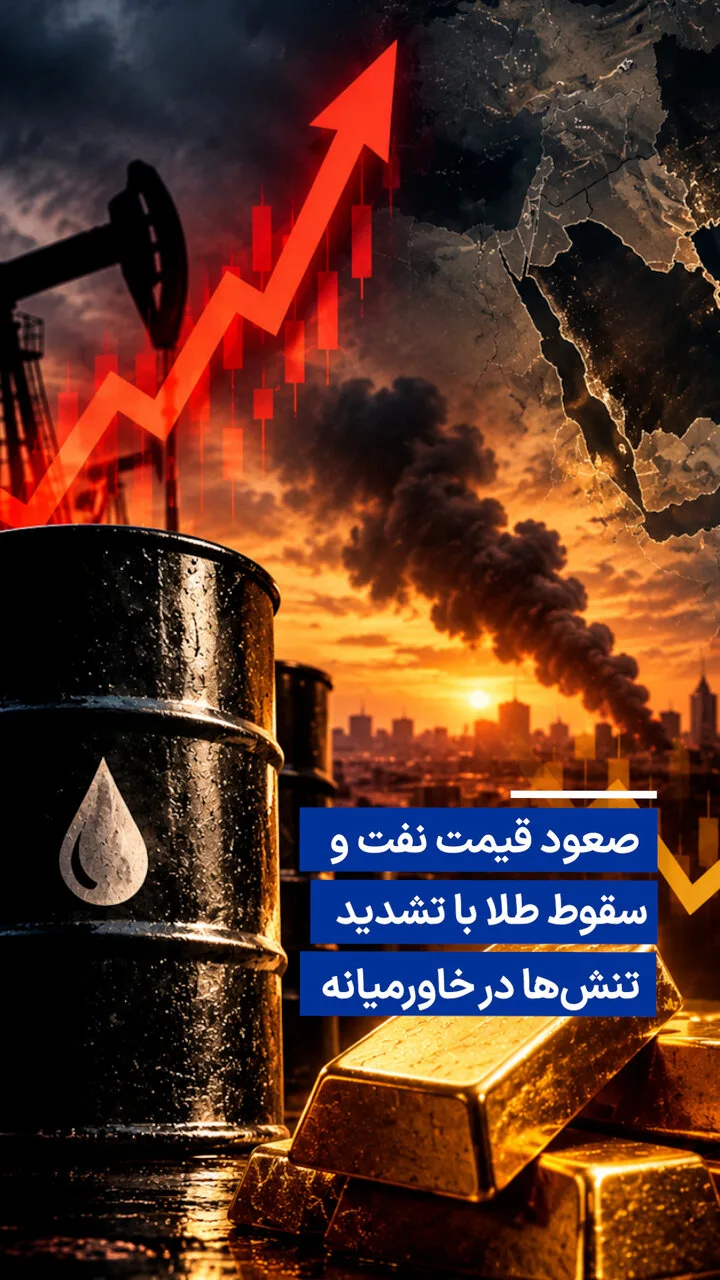
The price of oil reached $111 per barrel, and this increase is due to heightened tensions in the Middle East. Simultaneously, the gold market faced a price drop, which occurred due to strengthened expectations for sustained high interest rates. In this context, economic analysts have been examining various aspects of these developments.
Impact of Tensions on the Oil Market
Political and military tensions in the Middle East have always had a profound impact on the oil market. With rising tensions, crude oil prices have rapidly increased, reaching $111 per barrel. This situation has arisen particularly due to concerns about energy supply and disruptions in oil supply. The rise in oil prices could have significant consequences for the global economy, especially for countries that depend on oil imports.
Read more: Reopening of the Rimdan Border for Trade; A New Beginning for Exports
Decrease in Gold Prices and Its Consequences
Meanwhile, the price of gold also fell by more than 1% in response to the strengthened outlook for interest rates. This decrease in gold prices reflects changes in investor expectations and financial markets. Given that gold is recognized as a safe asset during times of economic uncertainty, this decline may indicate an increase in investors' risk appetite. Additionally, these changes could impact investment decisions and market behavior.
Ultimately, these developments in the oil and gold markets reflect the complexities of the global economic and political landscape. While oil prices rise due to Middle Eastern tensions, the gold market is also influenced by interest rate expectations. Investors and analysts are closely monitoring these changes and striving to adopt suitable investment strategies.
Read more: Decrease in the Price of Iraqi Dinar in the Tehran Currency Market · Seyed Mohammad Hadi Sabhanian Exempted Two Cases from Employee Taxes