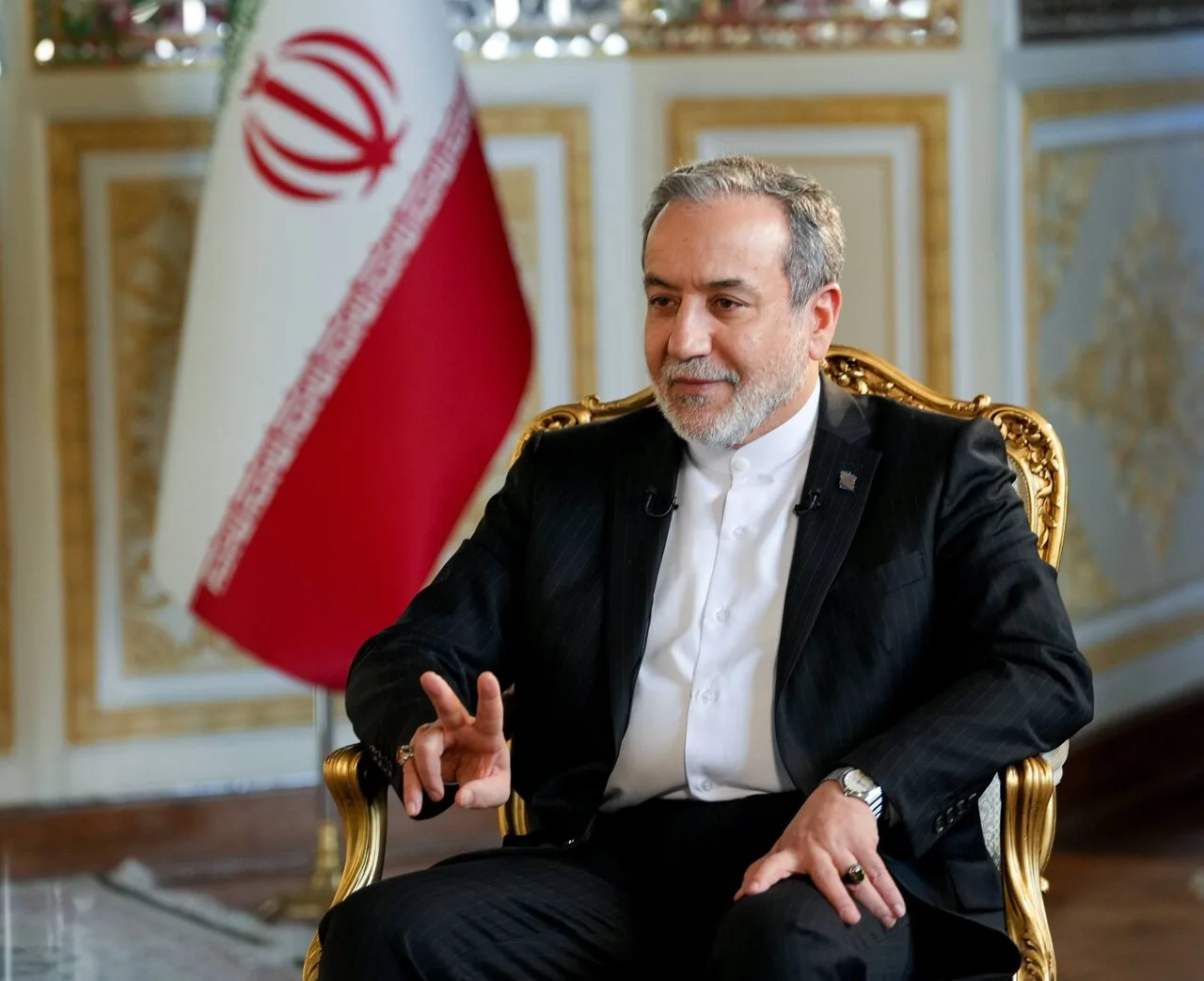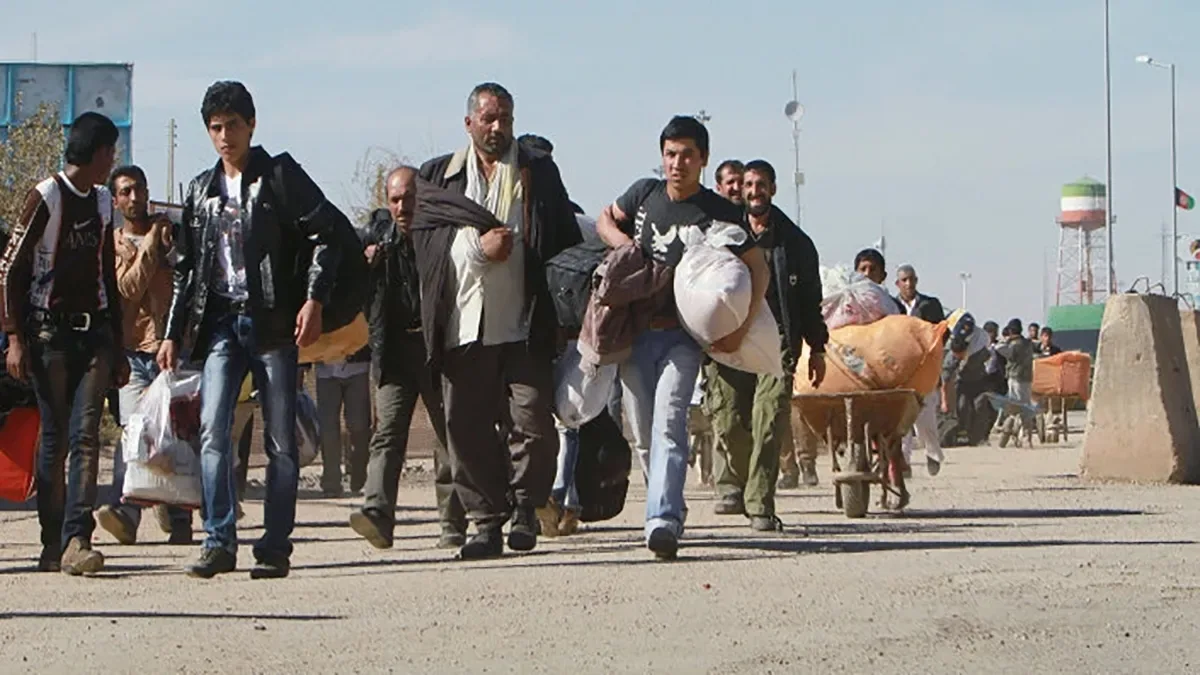
Ali Zeinivand, the spokesperson for the Ministry of Interior, announced at a press conference that since the beginning of this year, more than 352,000 Afghan migrants have returned to their country. This figure reflects the various challenges these individuals have faced and the social and economic impacts of these returns on the host country.
Challenges of Migrant Return
Zeinivand explained that some of these migrants were turned back at the border due to lack of identity and legal documents. This issue highlights the problems many migrants have encountered during their stay in Iran. Some of them have voluntarily decided to return, while others have been forced to leave the country due to unfavorable conditions.
Read more: Announcement of Free Milk and Nutrition Distribution in Public Schools by the Ministry of Education
Statistics of Foreign Nationals in Iran
The spokesperson for the Ministry of Interior also referred to the overall statistics of foreign nationals residing in Iran, stating that currently 4,563,118 foreign nationals have been identified in the country, the majority of whom are Afghan. Of this number, 2,431,895 have official residency documents and have been legally recognized in the country.
Zeinivand added: "2,130,000 are also being organized, meaning their identity documents have been identified and temporary necessary documents are being issued to them." He emphasized the importance of understanding the living conditions and status of these individuals and stated that despite existing challenges, the Ministry of Interior has not halted the policy of organizing foreign nationals.
Given the statistics and current situation, it seems that the Ministry of Interior is striving to identify and address the needs of these migrants through cooperation and interaction with various institutions. This issue will benefit not only the migrants themselves but also the host community.
National Migration Organization and the Future of Migration in Iran
Zeinivand further referred to the topic of the National Migration Organization, stating that specialized commissions of the parliament have approved this issue, and it is currently referred to the Guardian Council and the Research Center for review. This action could help improve migration management in the country and provide better conditions for migrants.
In conclusion, it seems that the return of Afghan migrants to their country will have significant individual, social, and economic implications for both Iran and Afghanistan. This trend not only reflects the challenges of living abroad but also reminds us that migration and return are part of the shared destiny of humanity in today's world.
Read more: Attack on Bandar Abbas; Damage to 420 Fishing Boats and Martyrdom of 12 People · Pakistani Analyst: The Persian Gulf Should Be a Gulf of Peace and Development