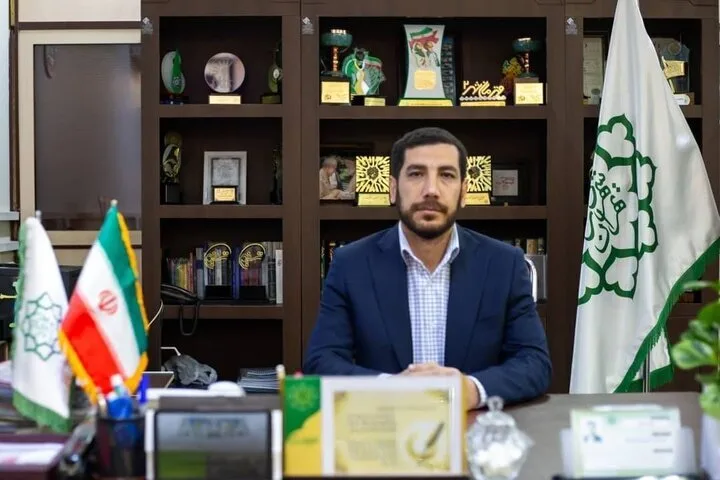
The Deputy of Social Services of the Welfare, Services, and Social Participation Organization of Tehran Municipality announced a significant reduction in the mortality rate of homeless individuals in the capital. This reduction, recorded at one-fourth over the years 2021 to 2025, reflects ongoing efforts to improve the living conditions of this vulnerable group.
'Warm Shelter' Plan and Support Services
According to official statistics, the 'Warm Shelter' plan is one of the main factors contributing to the reduction of mortality among homeless individuals. This plan includes providing support services and suitable living conditions in fixed and mobile shelters. According to the Deputy of Social Services, the implementation of this plan has begun in 15 locations across the capital, with the main goal of preventing deaths under harsh and unsuitable conditions.
Read more: Rain and snow begin in Iran and flood warning in 7 provinces
Social and Human Impacts of the Plan
This initiative has not only contributed to reducing mortality rates but has also had positive effects on the morale and mental state of homeless individuals. By providing a safe and supportive environment, individuals are able to rebuild their lives and seek new opportunities. These changes can lead to improvements in the social and economic conditions of these individuals and ultimately contribute to a healthier and more integrated community.
Considering that Tehran is one of the most populous and challenging cities regarding social issues, attention to the homeless population and support for them is essential. This plan could serve as a model for other cities and demonstrate to the government and relevant institutions that with determination and proper planning, social problems can be minimized.
Read more: Deputy Governor of Golestan: Water supply to border areas prevents migration of border residents · Crisis preparedness drill for women of Tehran Municipality held