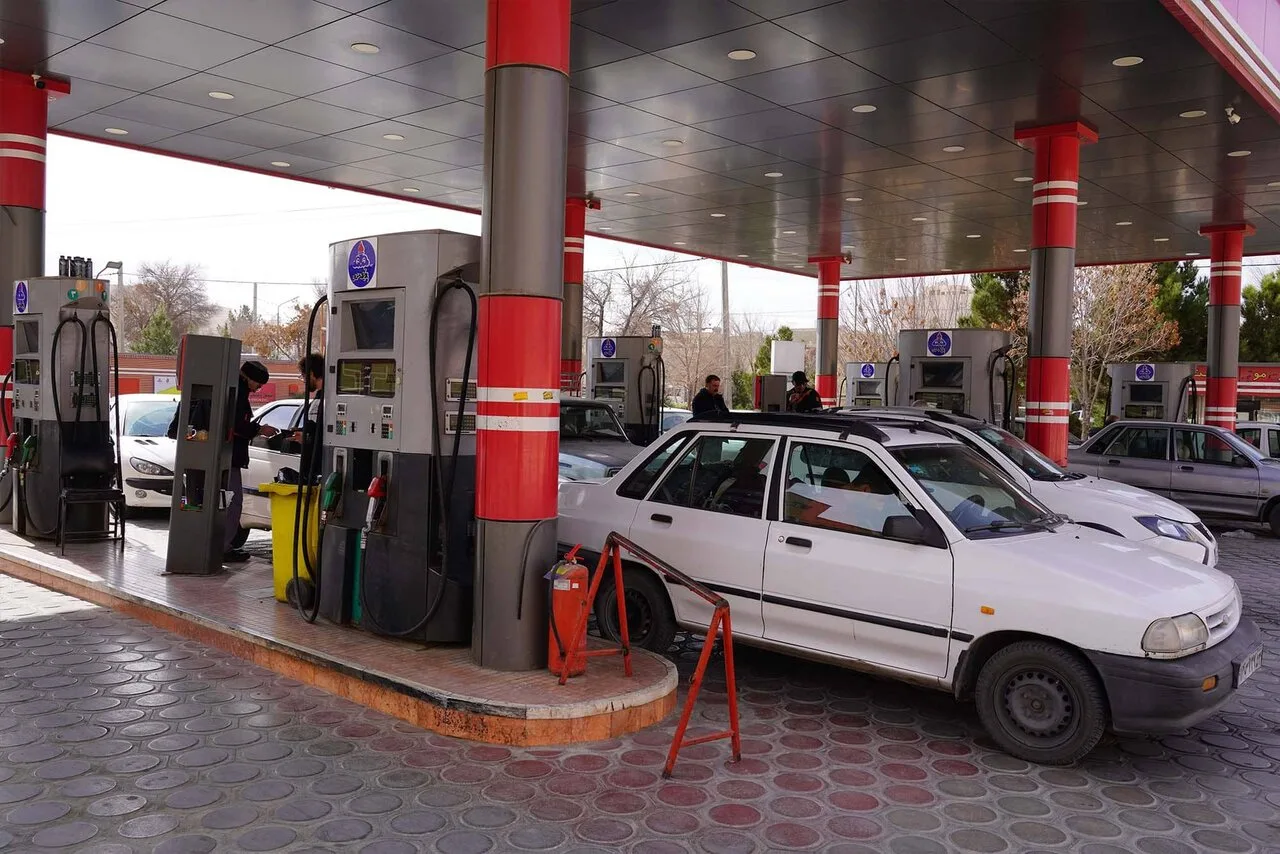
The reduction of 6 million liters in daily gasoline consumption in Iran is considered an important transformation in managing the country's fuel resources. This decrease is the result of implementing the free fuel card organization plan and applying quotas in 11 provinces of the country. According to Reza Sepahvand, spokesperson for the Energy Commission of the Parliament, this change means a reduction in the country's need for gasoline imports and achieving self-sufficiency in this area.
Positive Impacts of Implementing the Organization Plan
With the commencement of the free fuel card organization plan, daily gasoline production in the country reached about 115 million liters, which officials say matches the consumption level. Sepahvand stated that increasing domestic production and reducing consumption could minimize gasoline imports and create balance in the market for this petroleum product. He also predicted that if this trend continues, gasoline imports will reach zero next month.
Read more: What was the price of gold and coins on November 2, 2026?
Challenges and Criticisms in Implementing the Plan
Despite the advantages of implementing this plan, there are criticisms regarding the limitations imposed on the use of free fuel cards. Some members of Parliament have raised concerns about the 160-liter quota in some provinces. Therefore, measures have been taken to provide a number of free cards at selected stations in high-traffic areas. This action could help control consumption and reduce gasoline demand.
The reduction in gasoline consumption not only helps alleviate pressure on the resources supplying this product but also significantly reduces import costs. However, the sustainability of this reduction depends on factors such as the method of implementing quotas, the traffic situation of vehicles, and the public's access to fuel cards. If these factors are managed correctly, a promising future for gasoline supply and consumption in the country can be anticipated.
Ultimately, achieving the prediction of halting gasoline imports in the next month will signify the domestic production capability to meet consumer needs. It remains to be seen whether this reduction in consumption will continue in the coming months or whether changes in traffic and consumption conditions will lead to an increase in gasoline demand again.
Read more: Mobile imports through commercial and passenger routes in Iran are changing · Advancements in livestock farming and the meat market in Iran