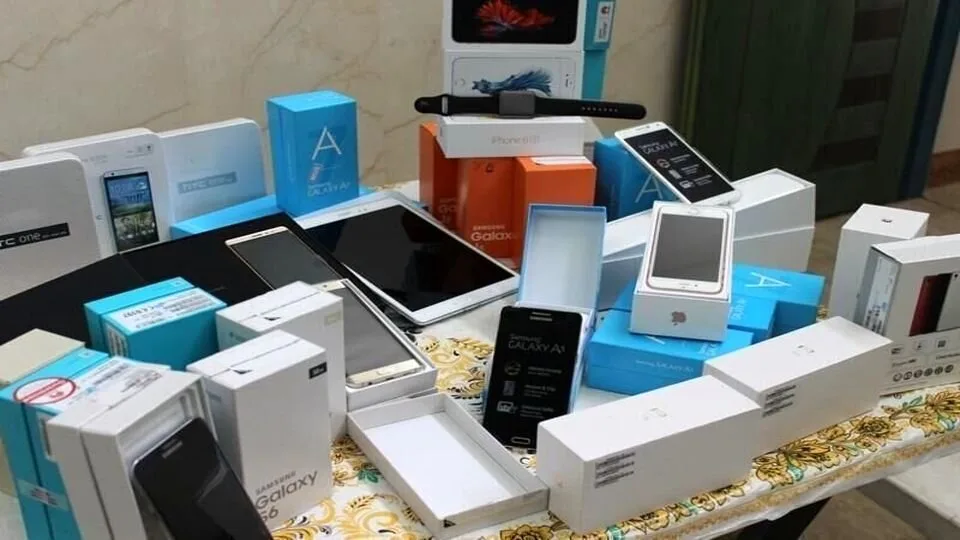
Mobile phone imports to Iran have experienced significant changes in the first 6 months of this year. According to foreign trade statistics, approximately 490 million dollars worth of mobile phones were imported into the country during this period, of which 290 million dollars came through commercial routes and 200 million dollars through travelers. This data indicates the increasing importance of passenger imports in supplying the mobile market in Iran.
Differences between Commercial and Passenger Imports
Mobile phone imports are divided into two main categories: commercial and passenger. In commercial imports, companies and importers officially procure and import mobile phones. This process involves specific legal and financial steps that must be followed. In contrast, in passenger imports, mobile phones are brought into the country by travelers and can be registered for personal use or market sale after completing legal formalities and paying the relevant fees.
Read more: 30,000 Toman Increase in Fuel Prices for Iranian Trucks at the Bazargan Border
This change in the import method, especially under the current economic conditions and existing trade restrictions, raises questions about the future supply of mobile phones in Iran. With the continued decline in commercial imports and the increase in the share of passenger imports, it is unclear how the mobile market will respond to its needs.
Consequences of Reduced Commercial Imports
The reduction of commercial imports and the continuation of passenger imports may have significant impacts on the price and availability of mobile phones in Iran. If this trend continues, the market may increasingly depend on passenger imports, which could lead to fluctuations in prices and access to new products.
The existing statistics alone cannot lead to a definitive conclusion about the shortage of mobile phones or price increases in the future. To better understand the market situation, the trends of supply and demand as well as the economic and social impacts of these changes need to be examined. Particularly, as passenger imports take a larger share of the market, concerns about the stability and sustainability of supply in the coming months are significant.
Overall, the recent changes in mobile phone imports reflect the challenges and new opportunities that the technology market in Iran is facing. In this context, a correct understanding of the current situation and a deeper analysis of market trends can aid in better and more informed decision-making regarding purchases and investments in this field.
Read more: Food Inflation Calculator; New Statistics from Iran's Statistical Center on Shopping Basket Costs · Iran Remains Safe from Hyperinflation by Producing Goods