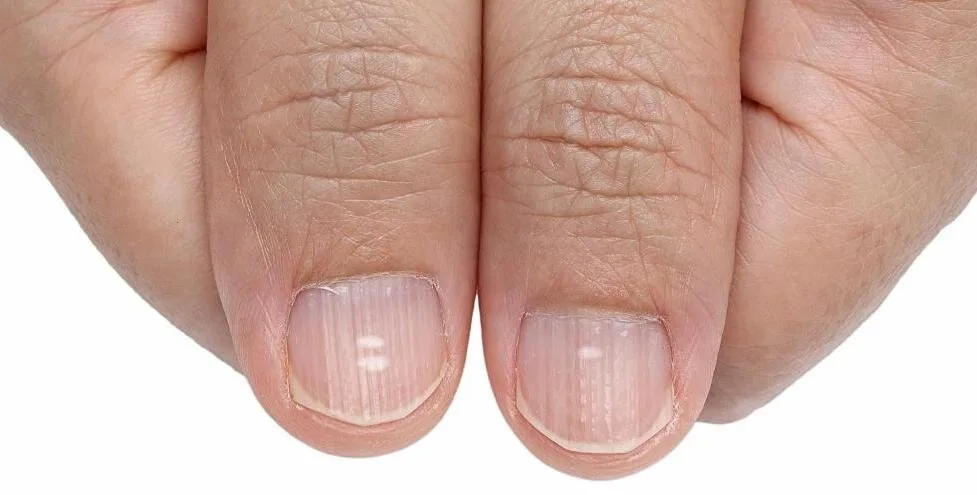
The redness of the nail lunula can be a sign of serious health problems. The nail lunula, known as "Lunula," is the crescent-shaped area at the base of the nail that is usually white. This area is where new nail cells form and is more visible on the thumbs. However, this lunula can provide valuable information about a person's health status.
The Impact of Lunula Color Change
Researchers reviewed studies published since 1954 to examine the connection between a red nail lunula and various diseases. Many individuals with a red nail lunula were found to have heart failure. Additionally, this sign may be associated with diseases such as emphysema, chronic bronchitis, liver cirrhosis, and certain cancers like polycythemia vera, lymphoma, and myeloid leukemia.
Read more: Phoenix Association launches the "Better World" campaign to support students with burns
The redness of the nail lunula is usually seen due to increased tissue thickness. Blood vessels under the nail bed are less visible, but a change in color in this area may require further medical investigation. While not everyone has a visible nail lunula, its absence is not in itself a sign of disease.
Concerning Signs
The redness of the nail lunula may be related to general body issues or specific local conditions. For example, when several lunulas turn red, the likelihood of it being associated with a systemic disease increases. Conversely, if this change is observed in only one nail, it may be due to injury or a local condition.
Researchers have also pointed to the association of a red nail lunula with certain autoimmune diseases. Conditions such as alopecia areata, dermatomyositis, and systemic lupus erythematosus can all be associated with this sign. Additionally, congestive heart failure, carbon monoxide poisoning, and lymphogranuloma venereum, a type of sexually transmitted infection, are other issues that have been raised in this context.
Despite these findings, the exact cause of the association between a red nail lunula and these diseases is still unclear and requires further research. Researchers emphasize that the redness of the nail lunula alone cannot indicate the presence of disease, and its whiteness does not guarantee an individual's health.
In general, the nail lunula is presented as a sign that, when observed, especially in several nails, may indicate the need for further medical investigations. This sign alone is not sufficient for diagnosing any disease, and individuals should also pay attention to other changes in their bodies.
Read more: Dr. Nazila Yousefi: Reporting drug side effects is essential for community health · Mohammad Reza Zafarghandi: Iran is taking action to control dengue fever and Aedes mosquitoes