In the heart of Iran's tumultuous history, the Qajar period is considered one of the most fascinating yet challenging times. This era, with its unique characteristics, left profound impacts not only in the political arena but also in social and cultural aspects. Recently, an image of a checkpoint on the Qazvin-Hamadan road from this period has been published, which can provide a fresh perspective on various aspects of people's lives at that time.
The Checkpoint Image and Historical Narratives
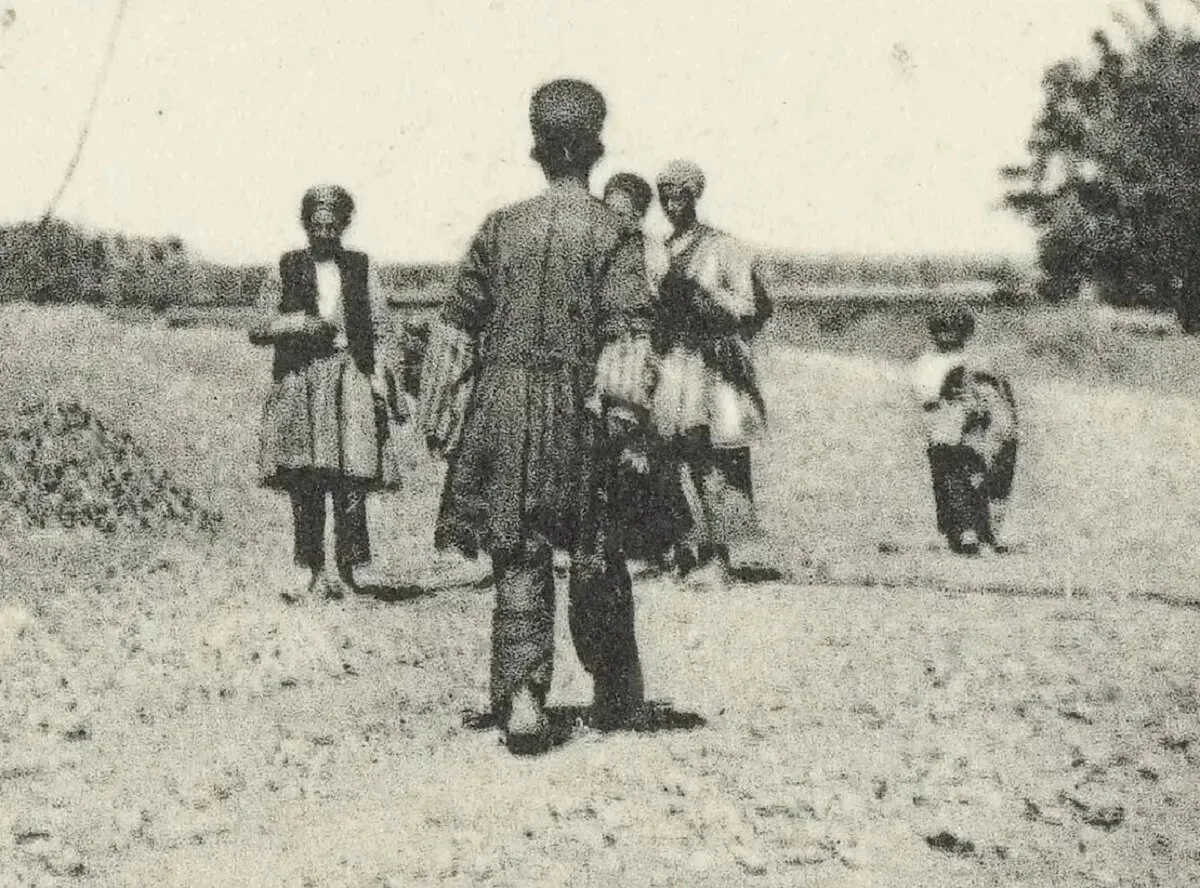
This image showcases a checkpoint that is somewhat a symbol of order and discipline on the roads of that time. Checkpoints during the Qajar era became one of the essential pillars of travel due to the expansion of trade and the need to maintain road security. These stations were used not only for controlling traffic but also as points for collecting taxes and monitoring travelers.
In this image, one can observe the unique architectural features of that period, crafted with precision and delicacy. Additionally, the clothing of the people and the vehicles of that time clearly convey the atmosphere of that era to the viewer. This image serves as a window into the daily lives of Qajar people, who were striving to cope with the challenges of their time.
Why is this Image Important?
Beyond its historical value, this image reminds us how organizing and monitoring roads can impact the economic and social lives of people. In other words, checkpoints not only had security aspects but also symbolized the social and political order of that time.
Undoubtedly, this image helps us gain a better understanding of the social and cultural realities of the Qajar era and allows us to look deeper into our history. In today's world, where technology and the pace of daily life overshadow everything, recalling the history and culture of the past can help us better recognize our roots and achieve a deeper understanding of our national identity.