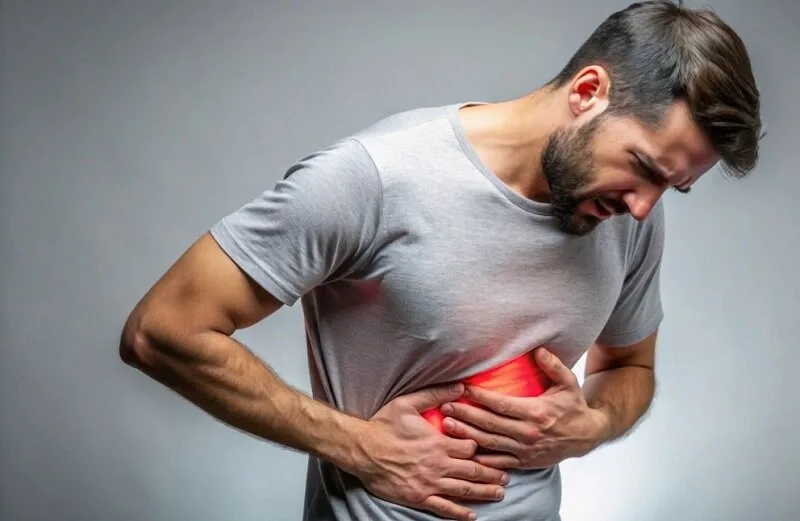
In recent years, fatty liver disease has become one of the major health challenges. This disease is particularly increasing among those who do not consume alcohol at all. However, the good news is that by making simple changes in daily habits, this disease can be prevented and a healthy liver can be maintained.
The Importance of Meal Timing
Eating dinner late is not inherently harmful, but if this habit is accompanied by large meals and irregular timing, it can lead to overeating and metabolic issues. Heavy meals, sweet desserts, and refined carbohydrates can all contribute to increased fat accumulation in the liver. Therefore, choosing a balanced dinner and allowing enough time before sleep can help establish a healthier routine.
Read more: Mohammad Raeiszadeh: The quality of medical education is a red line for the Medical Council
Juices and Added Sugars
Packed juices that seem like a healthy option for getting nutrients may actually contain added sugars and less fiber compared to whole fruits. Frequent consumption of these beverages can lead to increased calorie intake and, consequently, fat accumulation in the liver. Instead of juice, whole fruits and plain water are better options.
Additionally, regular physical activity plays a crucial role in maintaining liver health. Prolonged sitting and lack of physical activity can lead to increased insulin resistance and metabolic problems. Therefore, reducing sitting time and incorporating short movements throughout the day is very important.
Getting Enough Sleep and Its Impact on the Liver
Chronic sleep deprivation can negatively affect blood sugar regulation and other metabolic processes, which can lead to fatty liver disease. For adults, getting seven to nine hours of sleep each night can help balance these processes.
Visceral Fat and Metabolic Health
The presence of excess fat around internal organs, even in individuals with normal weight, can increase the risk of metabolic diseases. This type of fat is known as visceral fat and is associated with insulin resistance. Therefore, measuring waist circumference and other health indicators can provide useful information about liver status.
The encouraging point is that fatty liver disease in its early stages can be reversible with sustainable lifestyle changes. Regular physical activity, a balanced diet, adequate sleep, and attention to metabolic health are among the factors that can help improve liver condition. Individuals with diabetes, high cholesterol, abdominal obesity, and other metabolic risk factors should consult health specialists regarding their liver status.
Read more: Reducing the risk of high blood pressure with daily nut consumption · Dr. Shiv Patel: Tea and grapefruit juice increase the risk of kidney stones