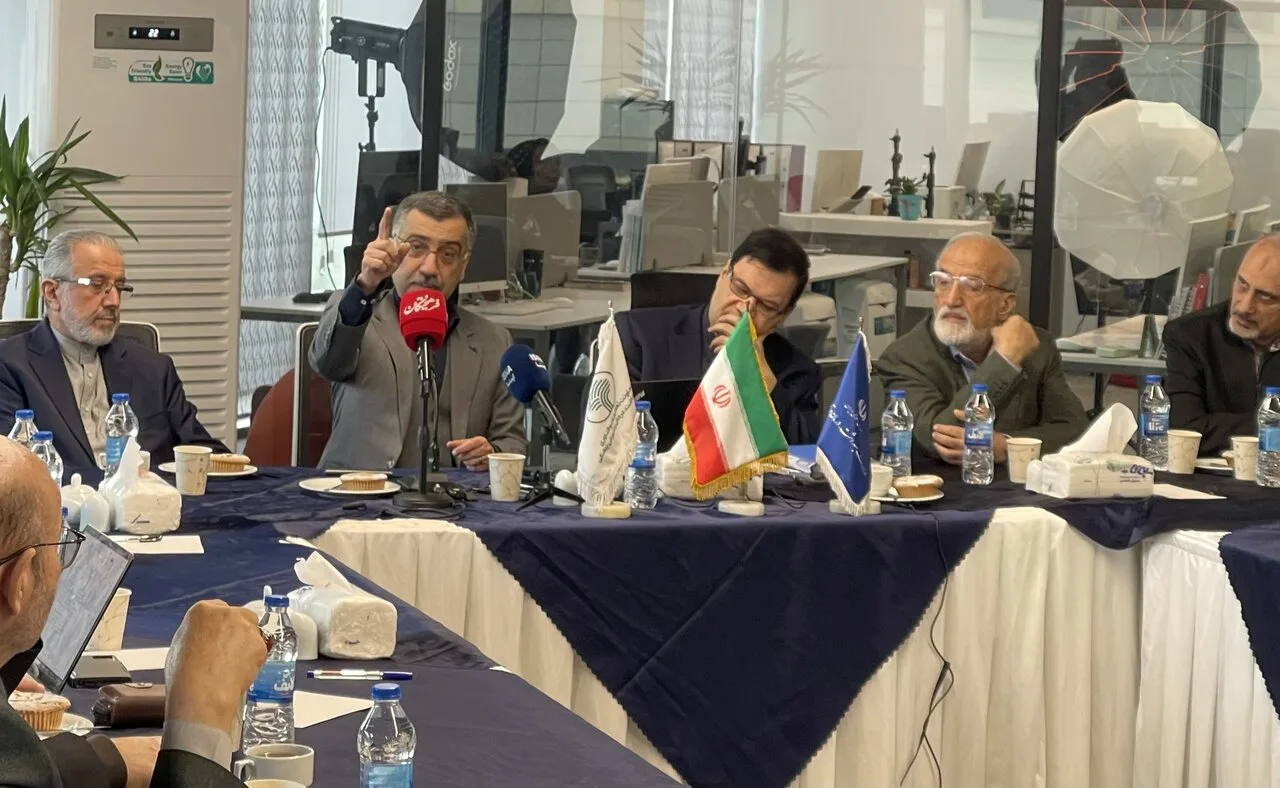
Mehdi Pir-Salehi, Deputy Minister and head of the Food and Drug Organization, mentioned the supply of the country's vaccine reserves for two and a half years at the meeting of food and drug deputies of medical universities and healthcare services in the five major regions of the country, held in Shiraz. He expressed gratitude for the hospitality of Shiraz University of Medical Sciences and hoped that the results of this meeting would lead to operational and effective decisions to alleviate people's concerns and improve the supply and access to health-oriented products.
Managing Crisis Conditions and the Role of Universities
Pir-Salehi emphasized the importance of all areas under the supervision of the Food and Drug Organization and stated that managing medicine, medical equipment, food, cosmetics, and hygiene in the country's special conditions requires continuous coordination and cooperation between the organization and medical universities. He referred to the effective role of medical universities, especially during the 12-day war and Ramadan war, and added that universities played an important role in securing and clearing essential and health-oriented goods from customs.
Read more: Stroke and its warning signs in daily life
He emphasized the importance of coordination and preparedness of executive bodies in managing crisis conditions, stating that despite the pressures from sanctions and transportation restrictions, the supply of essential goods continued, and necessary items were available to the public. Although the increase in exchange rates affected the prices of some goods, this situation was the result of the efforts of a range of agencies and different sectors of the country.
Long-term Planning for Vaccine Supply
The head of the Food and Drug Organization also pointed to the status of supplying the vaccines needed for the national vaccination program, saying that in the past, managing vaccine reserves was mostly based on monthly supply, but now the vaccines needed for the national vaccination program are available, and for some items, reserves are projected for up to 2 and a half years. This indicates the importance of long-term planning and strengthening strategic reserves in the health sector.
Pir-Salehi also emphasized that during the days of war, hospitals and ambulance fleets continued their operations, and efforts were made to ensure that services to the public were not interrupted. Maintaining the stability of the health supply chain requires the preparedness of all components of the health system and continuous support for the supply, production, and distribution sectors.
He further mentioned securing financial resources and liquidity as essential requirements for the continuity of the health supply chain and stated that doctors cannot provide adequate medical services without access to medicines and medical equipment. Therefore, securing financial resources in this area should be prioritized to prevent disruptions in the production, import, and distribution of health-oriented items.
Pir-Salehi emphasized the necessity of cooperation among medical universities in managing the current conditions, stating that rational prescription and consumption of medicines and resource management are among the actions that universities should pursue diligently. He also noted that the strategic reserves of universities should be supplied in accordance with real needs and managed to prevent unnecessary accumulation of items.
In conclusion, the head of the Food and Drug Organization emphasized the necessity of synergy and cooperation between the organization, medical universities, and drug supply and production entities to overcome the challenging conditions of drug supply and continue health services to the public.
Read more: Cold or flu; examining the important differences in symptoms · Mehdi Pir-Salehi: Two-thirds of halal products are produced in non-Muslim countries