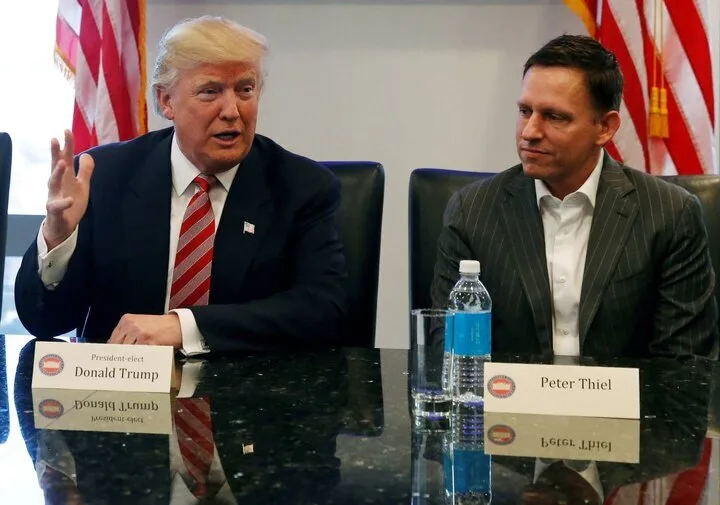
Peter Thiel, a technology billionaire and one of Donald Trump's prominent supporters, strongly criticized the U.S. war against Iran, stating that the United States fundamentally should not have entered this conflict. His remarks were published following a private speech on October 12 and contained significant points regarding his concerns about the consequences of this war.
Criticism of the War and Political Mistakes
In this speech, Thiel explicitly stated that he has doubts about the war with Iran and believes that starting this conflict was a major mistake. He criticized neoconservatives and military approaches in the Middle East, pointing to multiple mistakes in U.S. foreign policy. These remarks reflect his deep concern about the current situation and the consequences of war beyond the battlefield.
Read more: The Armenia-Azerbaijan Peace Treaty May Be Signed in 2027-2028
Concerns About Soft and Hard Powers
Peter Thiel, expressing doubts about America's military capabilities, said: "We may not have hard power. We may fail in soft power warfare." These remarks indicate his concern about the new challenges that the U.S. faces in the international arena. As wars are considered military solutions, Thiel points out how effective soft power, which includes diplomacy and culture, can be in these matters.
The audio file of Thiel's speech, which has recently come to the attention of a publication, has become a controversial topic and represents one of the most significant examples of dissent among Trump supporters regarding the wars in the Middle East. These remarks raise concerns about the future of U.S. foreign policy and its impact on the country's international standing.
Meanwhile, representatives of Peter Thiel and the White House have not responded to requests for comments on this matter. This silence may indicate the complexities present in current U.S. policies, especially at a time when disagreements over wars and military interventions have significantly increased.
Read more: Clashes in the Albanian Parliament Following Student Protests · The Pivotal Elections in Brazil and Analysis by Former Iranian Ambassador