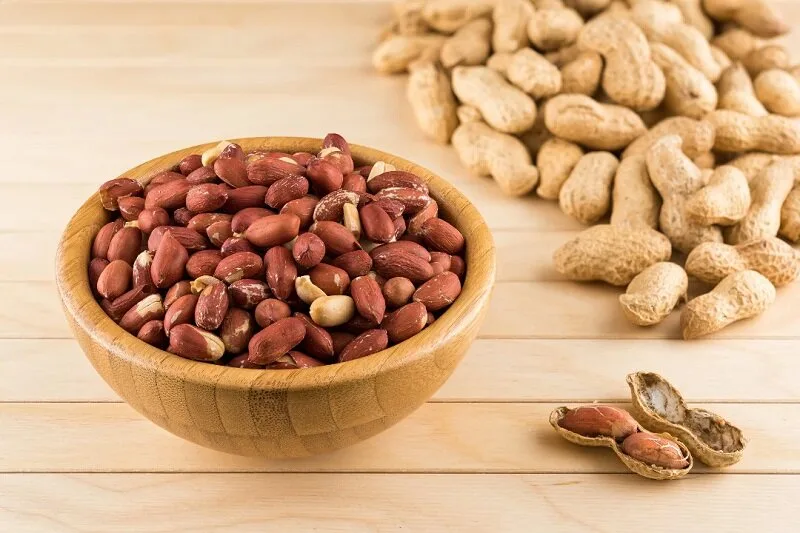
Peanuts, this delicious and nutritious nut, is not only known as a tasty snack, but a new study from Maastricht University in the Netherlands shows that daily consumption can have positive effects on the brain health of the elderly. According to this research, consuming 60 grams of unsalted, roasted peanuts can increase the brain's sensitivity to insulin in areas related to memory.
The Role of Insulin in Brain Health
Insulin, this vital hormone commonly recognized for its role in regulating blood sugar, also has important functions in the brain. This hormone aids in the growth and survival of nerve cells and facilitates communication between them, playing a fundamental role in memory and other cognitive abilities. With aging, the brain's sensitivity to insulin may decrease, which is associated with cognitive decline.
Read more: Zahra Oladi: Juice, even if natural, is harmful to health
Dr. Peter Joris, the lead author of this study, emphasizes that consuming peanuts can improve the brain's sensitivity to insulin and, consequently, enhance memory performance. These findings are concerning because decreased sensitivity to insulin can lead to more serious issues such as Alzheimer's disease.
Details of the Research and Its Results
In this study, 31 healthy individuals aged 60 to 75 participated. They consumed 60 grams of peanuts daily for 16 weeks. This study was conducted as a randomized controlled crossover trial, allowing researchers to compare the effects of peanut consumption with a period during which participants refrained from consumption.
The results of this research showed a clear increase in insulin responsiveness in various brain regions, including the hippocampus and the language gyrus. These areas are related to memory processes, and it appears that peanut consumption can help improve cognitive performance in the elderly.
Previously, other studies have also shown that consuming peanuts for 16 weeks can increase blood flow to the brain and improve verbal memory performance. These findings clearly demonstrate the positive effects of peanuts on brain health.
Researchers believe that the nutrients found in peanuts, including unsaturated fats, dietary fiber, vitamins, and minerals, contribute to these effects. Additionally, L-arginine, an amino acid found in peanuts, may also help improve learning and memory performance.
Given these results, daily consumption of peanuts as a healthy dietary habit can help maintain brain health and improve cognitive performance in old age. To ensure consistent peanut consumption, researchers provided pre-measured packages of roasted peanuts with skins to participants and encouraged them to have the freedom to choose their method of consumption.
Read more: Michel Rothenstein: Six effective spices for heart health and reducing inflammation · Paying attention to 5 warning signs in the armpit can save your life