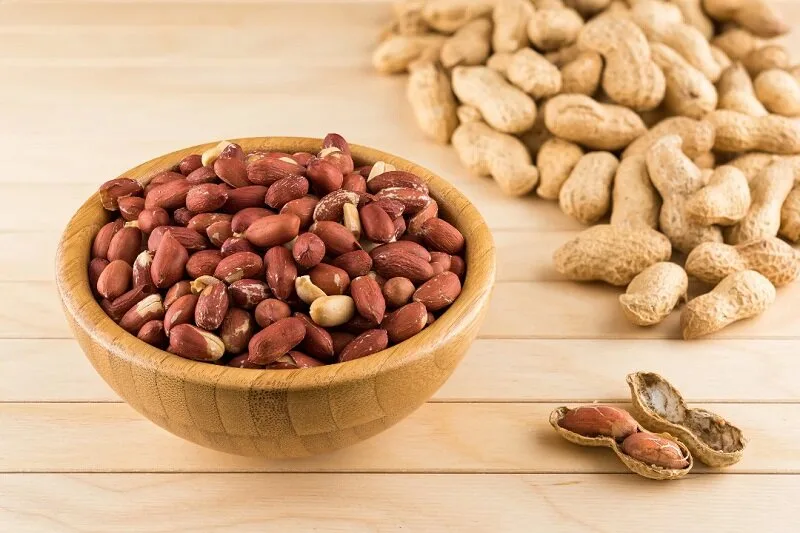
Peanuts, this nutritious and delicious snack, have recently come under the spotlight of researchers. A new study has examined the effects of daily consumption of 60 grams of peanuts on brain function in the elderly. This research investigated whether regular peanut consumption could affect insulin response in the brains of healthy adults.
Details of the Study on the Elderly
This trial involved 31 healthy adults aged between 60 and 75 years. Participants consumed 60 grams of unsalted roasted peanuts daily for 16 weeks and then transitioned to a control period without peanuts. After this period, their status reverted to baseline.
Read more: Daria Shipilova and the Risk of Pneumonic Plague in Siberia
Researchers used arterial spin labeling magnetic resonance imaging to measure changes in cerebral blood flow after insulin was administered nasally. The results showed that peanut consumption significantly affects insulin response in various areas of the brain.
The Role of Nutrients in Peanuts
The affected areas include the lingual gyrus, hippocampus, parahippocampal gyrus, thalamus, and posterior cingulate gyrus, which play roles in memory and other cognitive processes. These findings are based on previous research by the same group, which showed that a 16-week peanut intervention increased cerebral blood flow by 3.6% and improved verbal memory by 5.8%.
Dr. Peter Joris, the lead author of this study and an assistant professor in the Department of Nutrition and Movement Sciences at Maastricht University Medical Center in the Netherlands, stated: “The multiple nutrients found in peanuts, including unsaturated fats, dietary fiber, vitamins and minerals, and bioactive chemicals, may potentially play a role in the observed brain benefits.”
He also added: “Peanuts are also a good source of plant protein and are particularly rich in L-arginine, a precursor to nitric oxide that supports learning and memory.”
Limitations of the Study and Need for Further Research
However, this study has several limitations. It was small and only included healthy older adults, so the findings cannot prove that eating peanuts prevents cognitive decline or dementia. Therefore, further research is needed to determine whether these effects persist with long-term peanut consumption and whether similar benefits occur in individuals with insulin resistance, cognitive impairment, or neurological diseases.
This study highlights the nutritional potentials of peanuts in improving brain function in the elderly and may provide a new way to support cognitive health in older adults.
Read more: Worrying Increase in Cancer Among Youth in England, America, and the Netherlands · Phoenix Association Launches 'Better World' Campaign to Support Burned Students