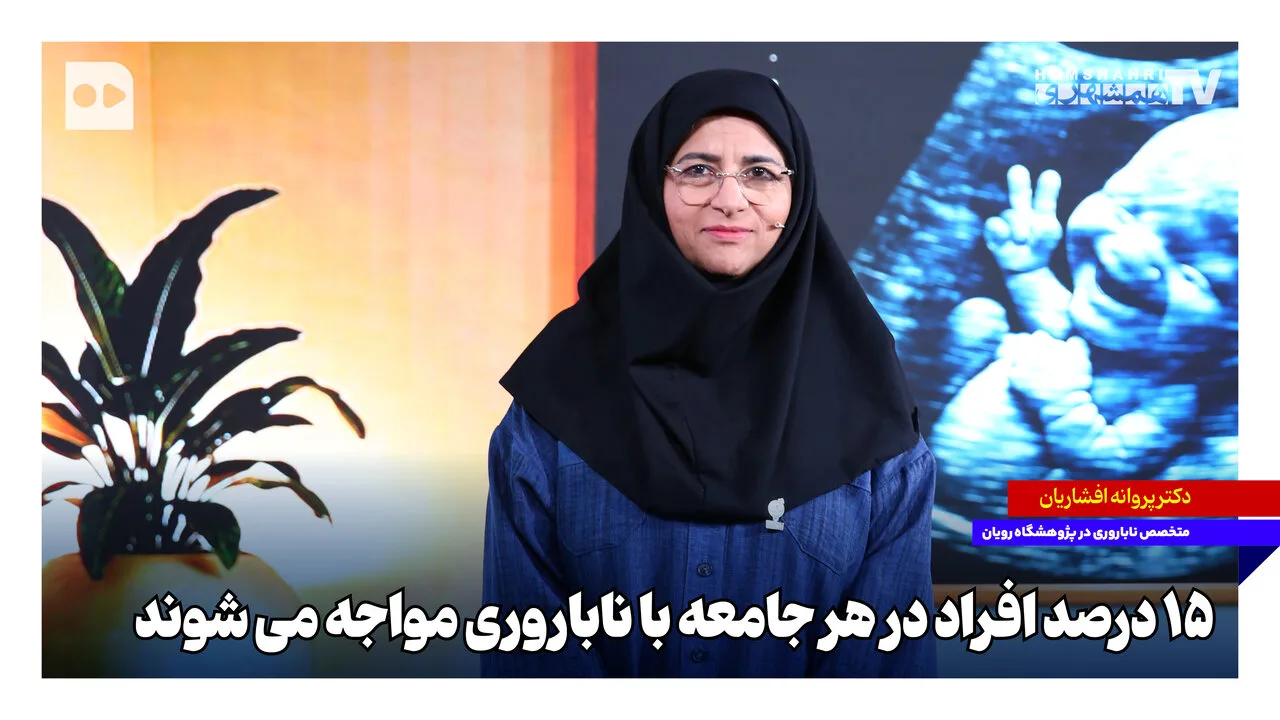
Parvaneh Afsharian, an infertility specialist at Royan Institute, has examined a problem that many couples struggle with: infertility. According to her, the World Health Organization (WHO) has announced that 15 percent of individuals in any community face this issue. This figure indicates that infertility is not limited to those without children; couples who already have children may also encounter this problem.
Types of Infertility and Its Challenges
Infertility can be primary or secondary. Primary infertility refers to a situation where couples have never been able to achieve pregnancy, while secondary infertility refers to a situation where couples are unable to conceive again after previous pregnancies. This issue can lead to significant psychological and emotional challenges for couples, intensifying feelings of failure and despair.
Read more: Recruitment of Nursing Students at Iran University of Medical Sciences in Ghana
Advancements in Infertility Treatment
Parvaneh Afsharian further mentioned recent advancements in infertility treatment, stating: "With the advancement of modern infertility treatment methods and the availability of more advanced diagnostic and treatment options, the average treatment success rate for these couples has now reached 40 percent." This statistic indicates that despite existing challenges, hope for infertility treatment is on the rise. In countries that utilize advanced technologies and where treatment costs are covered by insurance, this success rate may reach 44 or 45 percent.
However, some countries do not have access to these facilities. Parvaneh Afsharian emphasizes that these methods are often technology-driven and expensive, and in many cases, they are not covered by insurance. On the other hand, some couples require multiple treatment cycles, which may not be offered by treatment centers in certain countries.
The Role of Awareness and Social Support
One of the major challenges in the field of infertility is the lack of awareness and social support. Many couples are reluctant to discuss their problems due to fear of social judgment and cultural pressures. Parvaneh Afsharian highlighted the need to increase awareness in this area, stating: "We must help couples seek treatment for their problems without fear of judgment."
Overall, awareness of treatment methods and providing necessary support can help couples effectively cope with this dilemma and experience a better life. In this regard, media and social institutions should play an active role to improve the community's environment for discussing this issue.
Watch the interview with Parvaneh Afsharian on Hamshahri TV.
Read more: What Should Kids Eat for School; 15 Healthy Snacks Instead of Chips and Puffs · Development of Support Package by Tehran Municipality for Infertile Couples