Parjam Parsi addresses profound and human topics in the exhibition 'Somewhere Far from All' that transcend borders and geographies. This exhibition explores the human condition after a catastrophe; a place where location loses its meaning and the human body becomes the last remaining geography.
The Project's Beginning from Inability to Narrate
Parjam Parsi refers to the formation of this project, stating: 'This collection did not start from an image; it began from a kind of inability.' An inability to narrate experiences that may lose part of their violence when transformed into a coherent and understandable narrative. He points out that when a place is taken away from a person, does anything from that place remain within the body?
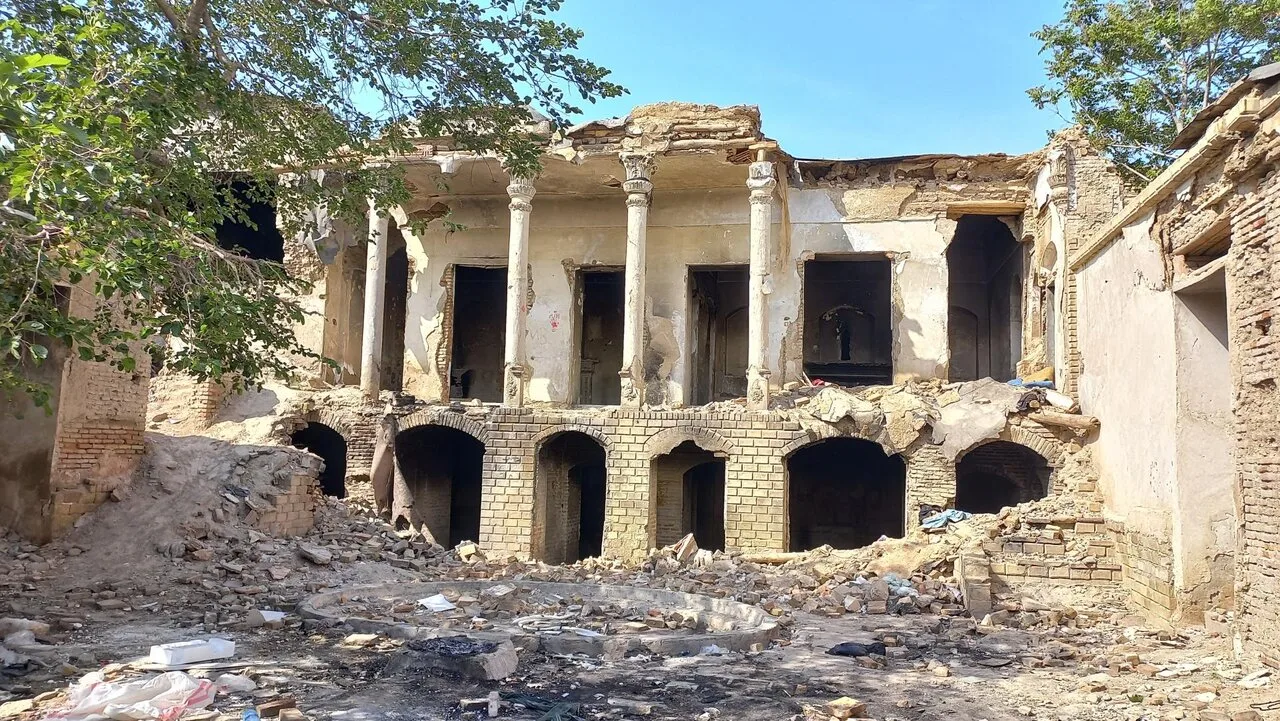
Parsi examines what remains of a person after the collapse of place. He says: 'When a home is no longer a home, when geography cannot provide shelter, and when a person is forced to leave the place, does anything from that place still remain within the body?'
Void and Absence in the Works
In Parsi's works, there are no signs of country or borders. He states that the removal of these signs is because geography can limit suffering. As soon as we mention the name of a country, the viewer can exile the catastrophe to 'there.' Therefore, he strives to remove this distance from the viewer and eliminate contexts.
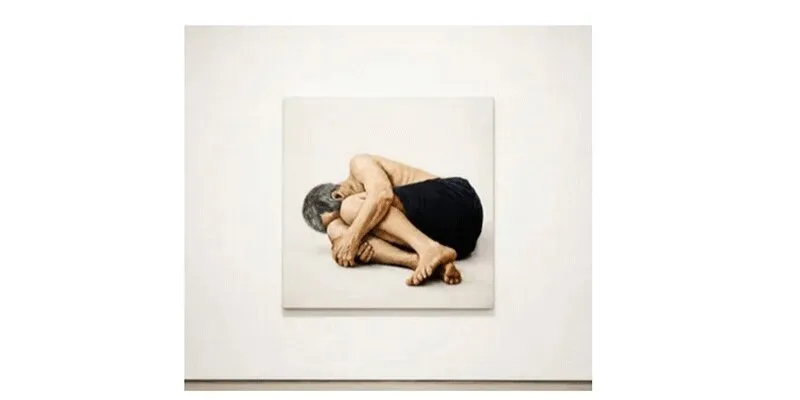
The body has become the most significant sign in these works. Parsi explains that the body learns to lie later than language and can carry a history that no sentence can express. He says: 'For me, the body is a kind of archive; but an archive without an alphabet.' In this collection, bodies endure more than they act. This difference is important to Parsi, and he does not want the body to be heroic.
The void and whiteness in the works are depicted as signs of absence and its effects on humans. Parsi states: 'I do not consider the void to be something empty. Sometimes the void is fuller than any object.' He likens this void to a continuous sound after an explosion that remains in the ear.
Ultimately, Parsi concludes that place may be something that remains within the body, even if the home is destroyed or borders are crossed. He emphasizes that home is not merely architecture and may transform into memory, scent, habit, and the state of the body. He says: 'Home may be that point where a person does not need to explain their presence.'
Thus, the exhibition 'Somewhere Far from All' represents the human condition in which place has become a deeper concept intertwined with the individual and collective experiences of humans.