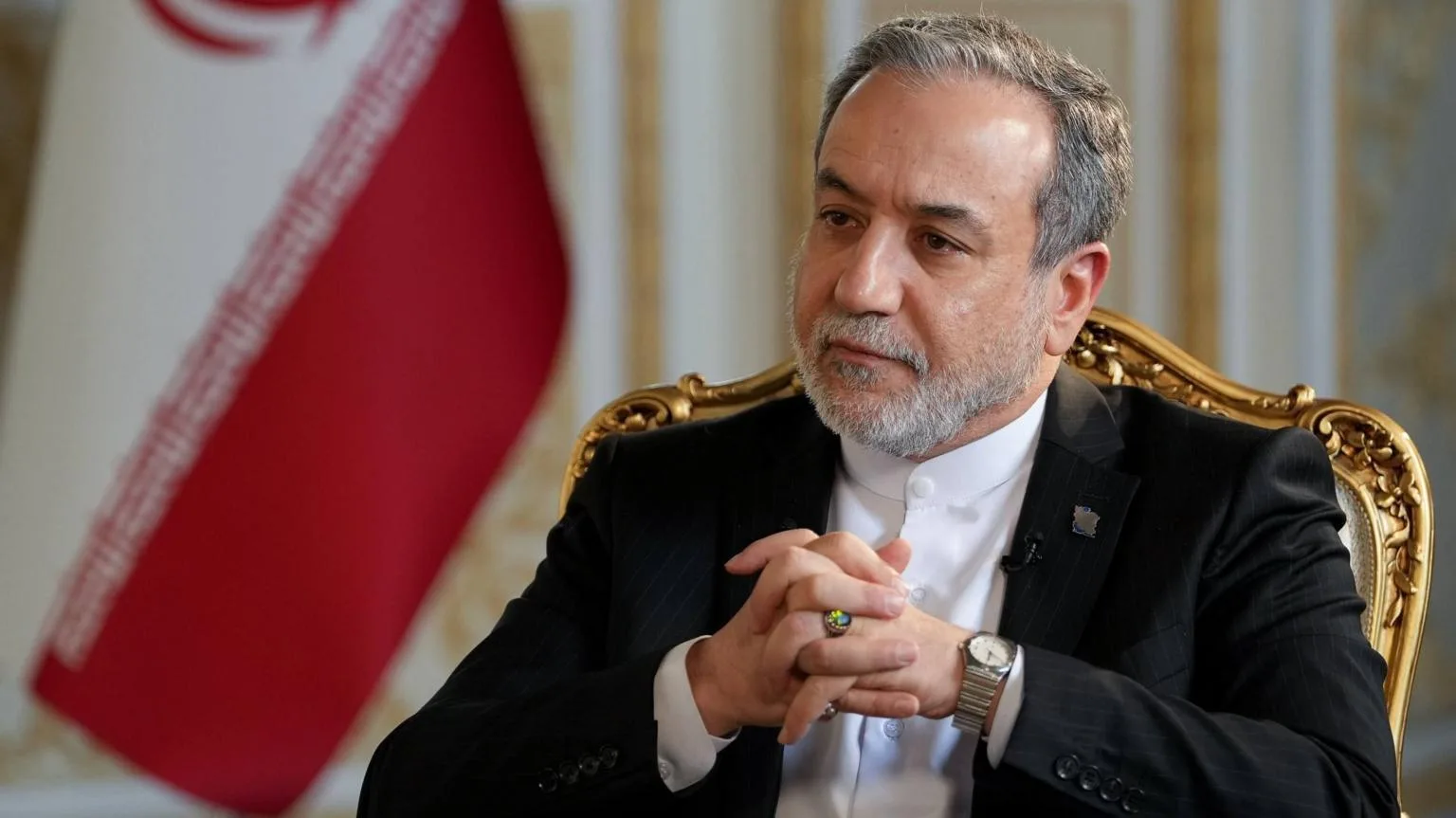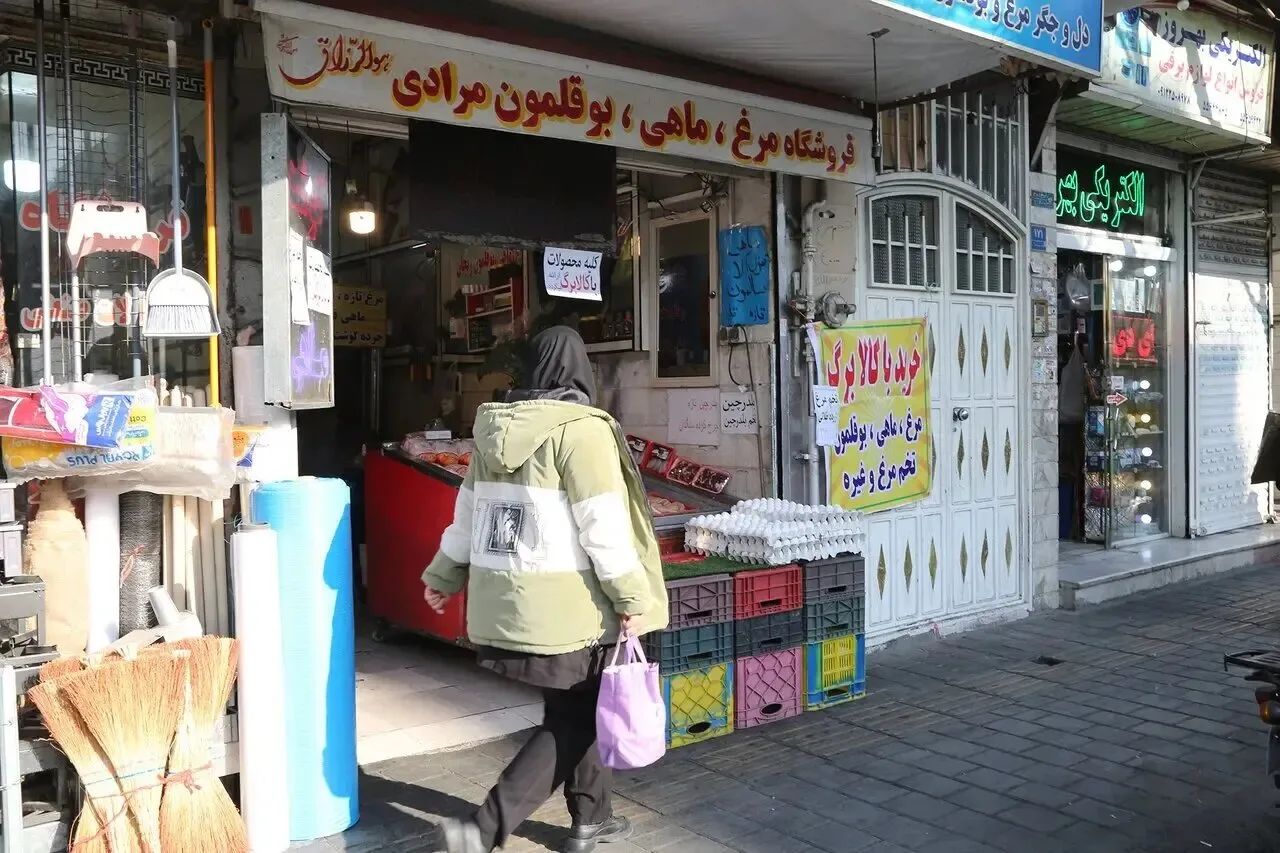
Omid Samari, the first vice president of the Iran Chamber of Guilds, addressed the serious challenges in the area of pricing and distribution of goods in his recent statements. He emphasized that more than 70% of the prices of goods offered in retail units are determined in the early stages of the supply chain, namely during production and entry into the market. This issue means that retail units have no role in price increases and only act according to the prices listed on the goods.
Challenges of Pricing and Market Inconsistencies
Omid Samari pointed out the frequent changes in prices and the differences in the price of a single commodity in the market, stating that this situation not only increases consumer dissatisfaction but also creates difficulties for retail units. According to him, the inconsistency in the supply system of goods is a fundamental challenge that needs more thorough examination.
Read more: The Strait of Hormuz and the Catch of iPhone 18 Amid the Economic Crisis in America
He also referred to 17 essential goods subject to government pricing and stated that the pricing process for these items is time-consuming and complex. Due to the lengthy approval process for rates, a gap arises between the approved prices and the actual production and supply costs, leading to inconsistencies in the pricing and supply system of goods.
Causes of Price Fluctuations and Their Impact on Retail
Samari further pointed to fluctuations in exchange rates and the rising inflation rate, stating that these factors lead to frequent price changes by some producers, importers, and distribution networks. The issuance of unofficial invoices and the phenomenon of back-invoicing by distribution companies are other issues that create price multiplicity.
This vice president of the Iran Chamber of Guilds noted that retail units, as the last link in the supply chain, face different prices for a single commodity, which restricts the ability to manage the final price for consumers. This situation not only brings customer dissatisfaction but also harms interactions between consumers and merchants.
Samari also referred to two fundamental challenges of "capital stagnation" and "working capital supply" that have been exacerbated due to rising inflation rates. He explained that goods purchased by industry players with official invoices face price increases after several months, while they are required to offer goods based on legal regulations and purchase documents.
He concluded by emphasizing that focusing supervision on retail units without examining the previous stages of the supply chain could render market regulation policies ineffective. Samari called for greater coordination among responsible agencies in the field of market supervision and stressed the need for more precise monitoring of the consumer price registration and announcement process.
Read more: Nader Badrafshan: Buying gold with caution and awareness is the key to success · The Strait of Hormuz has become a strategic lever for Iran