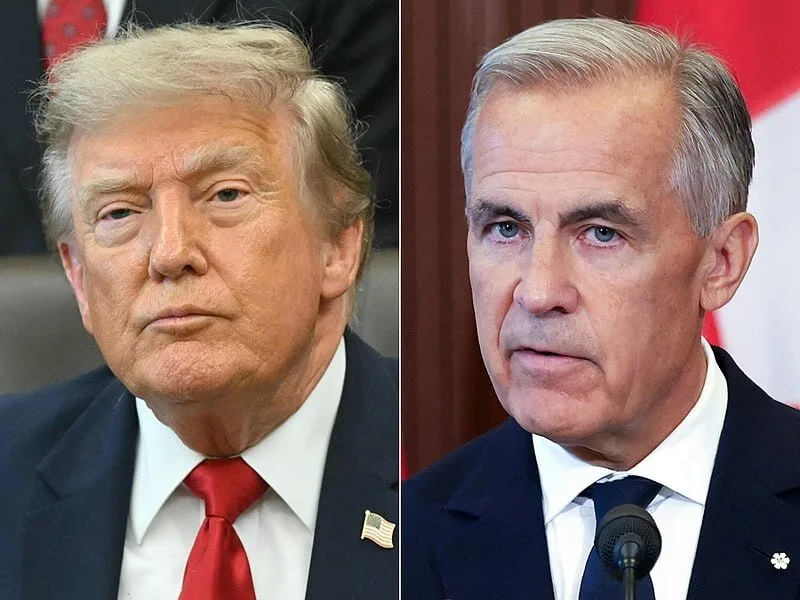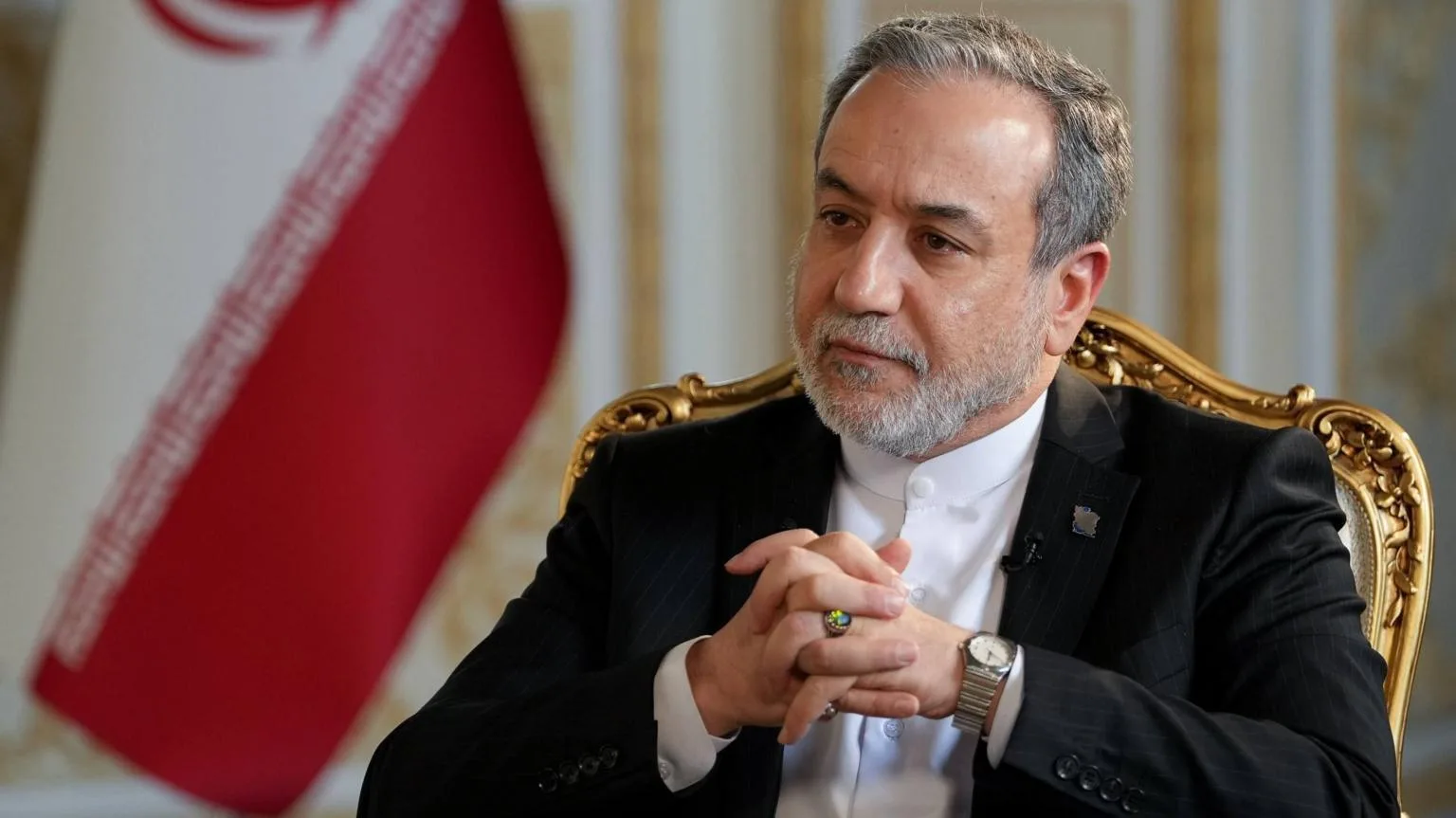
Oil continues its upward trend following political and diplomatic developments between the US and Iran at the United Nations General Assembly. On Tuesday, oil prices rose for the first time in the past five trading sessions, driven by investors' expectations of potential outcomes from these negotiations.
Oil Price Increase Amid Middle Eastern Tensions
Brent crude oil prices rose by $1.14 to $101.90 per barrel, while West Texas Intermediate oil also increased by 87 cents to $93.55 per barrel. According to Tim Waterer, senior market analyst at KCM Trade, this increase appears more as a typical rebound from covering short positions after a recent decline rather than a sign of a fundamental shift in the market.
Read more: Price fluctuations of cars; Dena Plus and Quick decreased while 207 and Shahin increased
Waterer also noted that oil prices are likely to remain within a certain range until a clear sign of progress or failure in diplomatic efforts between the US and Iran emerges, and will be sensitive to news and political developments.
Ansar Allah Attacks and Their Impact on the Oil Market
Tensions in the Middle East remain high. Ansar Allah in Yemen announced that they have attacked Riyadh and a facility of Aramco in Yanbu, increasing their efforts to cut off access for Saudi-backed forces to the Red Sea coast. These attacks have led Aramco to increase its oil exports through the Strait of Hormuz following attacks on its East-West pipeline.
Saxo Bank analysts wrote in a note to their clients that concerns about oil supply are easing, as the volume of shipments passing through the Strait of Hormuz has reached the highest level in the past six months, and Saudi Arabia is also in the process of rebuilding its East-West pipeline.
In another development, the National Oil Corporation of Libya announced that an armed group shut down the number 7 pipeline transporting crude oil from the Sharara field to the Zawiya port on Monday, resulting in a significant reduction in production from the Sharara oil field. Two engineers working in the field indicated that production from Sharara has decreased to about 200,000 barrels per day, which is now between 100,000 and 105,000 barrels per day. This situation severely exacerbates the global oil crisis.
Read more: Clashes in Behbahan Industrial Town Over Illegal Miners · Pakistan's Interior Minister, Mohsin Naqvi, Arrives in Tehran