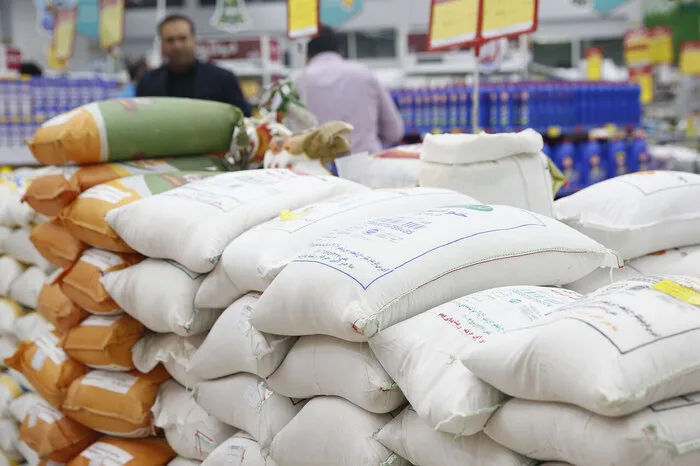
Hashemi rice, a product that holds a special place on Iranian tables, has now become a luxury item due to unexpected and significant price increases. In days when it was expected that prices would decrease with the start of the harvest season and the arrival of fresh rice in the market, the realities are strangely different.
Rising Production Costs and Pressure on Farmers
Rising production costs, especially in the agricultural sector, are a fundamental reason for these changes in the rice market. The costs of agricultural inputs, labor wages, and transportation have sharply increased, putting farmers in a financial bind. In other words, the production cost of rice for paddy farmers has risen to a level where supplying it at last year's prices has become practically impossible.
Read more: Chicken prices announced in the market; how much for gizzards, wings, and thighs per kilogram
The Role of Brokers and Intermediaries in Market Turmoil
The problem is not limited to production costs. In the hidden layers of the market, brokers and intermediaries are exacerbating market turmoil by unreasonably increasing their profit margins at various stages of the supply chain. These intermediaries, by hoarding rice or creating a psychological atmosphere of scarcity, prevent the real price of fresh rice from reaching the final consumer. As a result, the gap between the price at the paddy processing plant and the retail price in stores has significantly widened.
New statistics show that fragrant Hashemi rice is being sold at 5 million and 487 thousand tomans, while Hashemi Sadr rice is priced at 5 million and 576 thousand tomans for every 10 kilograms. This price increase has led many households that previously prioritized Iranian rice in their purchases to turn to lower-quality alternatives or foreign rice.
Changing Consumption Patterns of Households
The bitter reality observed today in the rice market goes beyond a seasonal fluctuation; it represents a class shift in consumption. A product that was once accessible to the public is gradually being removed from family shopping baskets. While market authorities speak of stability and price management, field observations only depict dissatisfaction and shock at the new prices.
If this trend continues and supportive policies for producers are not seriously implemented, authentic Iranian rice may become a decorative item on tables, used only on special occasions. This tragedy creates a bitter reality for farmers who bring their products to fruition with hope and consumers who struggle in difficult economic conditions.
In conclusion, considering the newly announced prices, Hashemi rice from Khomam is available at 4 million and 900 thousand tomans, and smoked Hashemi rice from Gilan is priced at 6 million and 650 thousand tomans in the market. These changes indicate a deep economic crisis in the structure of the Iranian rice market that requires immediate attention and action.
Read more: Seyed Ali Madani Zadeh announced the start of a new coupon for low-income households · Controversial report on Limoneira's revenues in the third quarter of 2026