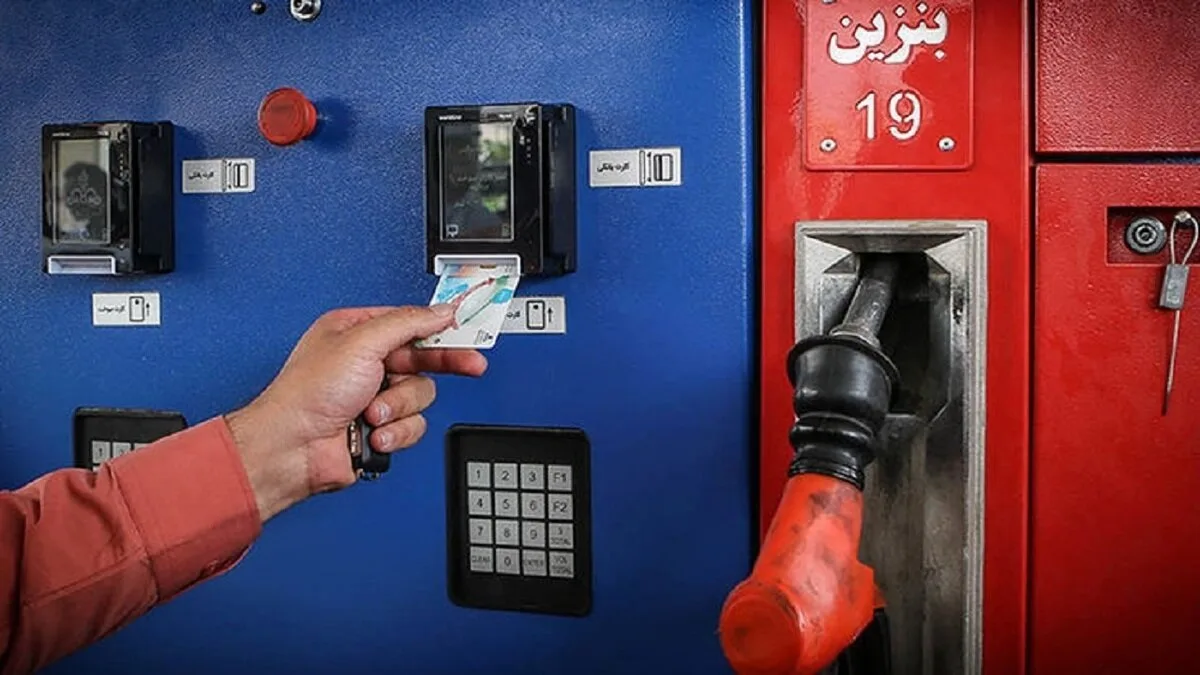
The new emergency fuel card plan is currently being piloted with the goal of reducing fuel smuggling and improving transparency in fuel consumption. In this plan, applicants are authenticated using their personal bank cards, and refueling transactions are attributed to the consumer. This way, the possibility of abusing subsidized gasoline is reduced, and the process of fuel smuggling becomes more difficult.
Preventing Abuse and Reducing Smuggling
Approximately 40 percent of refueling is done through emergency cards, and these cards, due to their availability, can lead to unauthorized fuel withdrawals. According to statistics, 60 percent of the fuel smuggled from Iran is diesel, and 10 percent is gasoline. It is estimated that about 3 million liters of gasoline are illegally exported daily. With the implementation of the new plan, it is expected that this amount will decrease.
Read more: Dollar rate at the exchange center reached 176,810 Tomans
In the new plan, the authentication of refueling applicants using personal bank cards can contribute to greater transparency. Especially in border provinces, where the price difference in fuel with neighboring countries can increase the incentive for smuggling, this plan can lead to more precise monitoring of fuel consumption.
Challenges and Criticisms of the New Plan
Despite the advantages of this plan, some critics emphasize the time-consuming nature of the authentication process and are concerned that this may lead to longer queues at stations. On the other hand, sustainable access to the system, transparent communication, and providing alternative solutions during disruptions are also requirements for the successful implementation of this plan.
Changes in the method of fuel receipt can lead to a reduction in violations and improvement in services at stations. If transaction transparency leads to a reduction in violations and increased customer satisfaction, this reform can benefit the public and also protect public resources. However, potential challenges must also be considered and used as an opportunity to improve processes.
Ultimately, the new emergency fuel card plan is not only presented as a tool for managing fuel consumption but also as a step towards increasing transparency and reducing smuggling. This plan can help identify unusual consumption patterns and organize demand in various sectors. In this regard, examining the practical results of this plan and assessing its impacts on the fuel market and smuggling can help improve processes and address challenges.
Read more: 78 percent of Americans respond to rising prices: Trump's policies are to blame · Reza Nawaz: Special measures for managing fuel supply in the last week of September