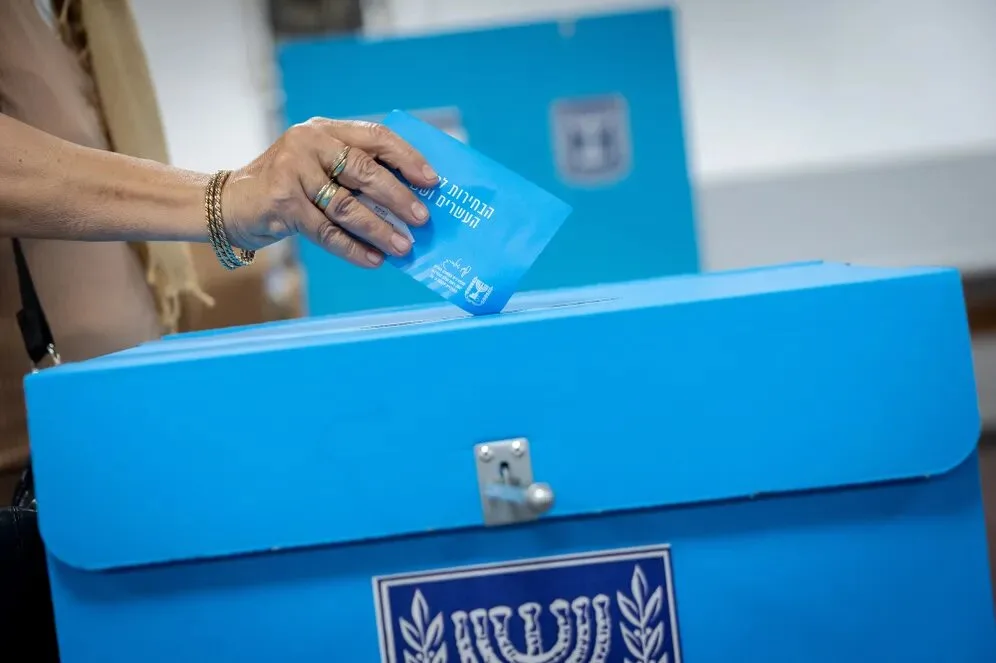
The final results of the recent Israeli regime elections are surprising and thought-provoking. The coalition led by Benjamin Netanyahu, the current Prime Minister, has failed to secure a parliamentary majority, which could significantly impact his political future and cabinet formation.
New Challenges Ahead for Netanyahu
With the counting of votes concluded, it became clear that Netanyahu's coalition has not reached the threshold of 61 seats in the Knesset (Israeli regime parliament). This result means he must seek cooperation with other parties or consider forming a completely new coalition. Currently, Netanyahu faces serious challenges that could weaken his position in both domestic and international politics.
Read more: Erdogan: Turkey has a responsibility in solving regional and global crises
Implications of This Result for Israel's Political Future
The results of this election are not only challenging for Netanyahu but could also affect Israel's relations with other countries and its domestic policies. The lack of an absolute majority could lead to difficulties in passing new laws and advancing economic and social programs, which are among the problems the next government may face. This situation could also lead to increased tensions and dissatisfaction among citizens and political parties.
Moreover, given the security situation and external challenges, Netanyahu must quickly find solutions to create a stable and effective coalition. Otherwise, pressures for early elections and political instability in Israel will increase.
In the meantime, addressing the social and economic needs of citizens is also crucial. New coalitions must pay special attention to issues such as housing, education, and healthcare to gain the trust of the people. These developments will have profound effects on Israel's political future and its relations with other countries.
Read more: The result of the Israeli elections and the fate of the next Prime Minister · Netanyahu cannot tolerate Zamir