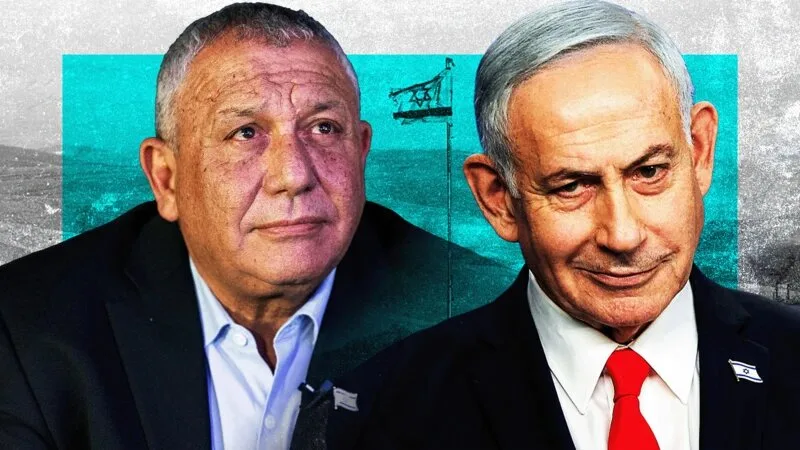
The Israeli elections next week will become a turning point in the political history of this country. Despite the close competition between Benjamin Netanyahu, the current prime minister, and Gadi Eisenkot, the former defense minister, the result of this election alone will not determine the future prime minister. In fact, there are various aspects in this election that could influence the political fate of Israel.
Political Competitions and Domestic Pressures
Benjamin Netanyahu, as a well-known figure in Israeli politics, competes with Eisenkot while both are seeking to gain voter support. Netanyahu has entered the race with his traditional alliances, while Eisenkot comes with new promises. Meanwhile, domestic pressures and public reactions to economic and social policies will also impact the election results.
Read more: Iraq Takes Over the Presidency of the Organization of Islamic Cooperation at the United Nations
Appointment of the Designated Prime Minister and New Alliances
Moreover, the decision of the President of the Israeli regime regarding the appointment of the designated prime minister will be a key factor in determining the future political fate of this country. This decision could not only influence the formation of new alliances but also reflect the future political inclination and direction of Israel. Many analysts believe that the election results may lead to unexpected alliances between different parties, which could bring significant changes to Israel's domestic and foreign policies.
As the days leading up to the elections are few, the pressure on both candidates has increased, and each is using all their strength to attract voters. This election will not only determine the political fate of Netanyahu and Eisenkot but could also shape a new future for the people of Israel.
Read more: Meeting Between Vladimir Putin and Daniel Francisco Chapo and Their Significant Height Difference · Continued Israeli Attacks on Educational Centers in Gaza and Their Impact on Students' Education