The French government is entering the third week of nationwide student protests, which have become one of the most significant social events in the country. The anger and dissatisfaction of students regarding educational conditions and the lack of attention to their needs have led to passionate and sometimes violent gatherings in various cities across France.
Increase in the Number of Detainees and the Intensity of Violence
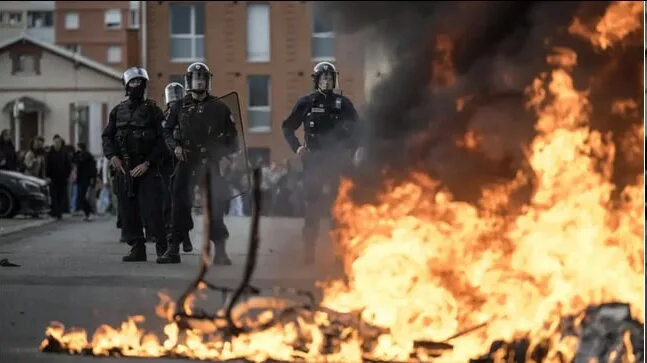
The number of detainees in these protests has exceeded 6,800, and reports indicate an increase in violence and physical injuries among protesters. According to eyewitnesses, in some gatherings, security forces have confronted students using tear gas and other crowd control tools, which has intensified the anger and dissatisfaction of the protesters.
Read more: Emir of Qatar: The security of the region and the world are interconnected
The student protests are ongoing not only in Paris but also in other cities such as Marseille, Lyon, and Nantes. Additionally, a Palestinian activist from Sweden has joined the protesting students in Saint-Denis, and his action has elicited varied reactions.
Causes of the Education Crisis and Students' Demands
The protesting students are calling for improvements in educational conditions, a reduction in class sizes, and an increase in educational budgets. They believe that the education crisis in France stems from the government's neglect of the real needs of students and teachers. These protesters also point to issues such as rising tuition costs and a lack of adequate facilities in schools.
In a statement released on behalf of these protesters, it is stated: "We can no longer remain silent. Our future is at risk, and we demand immediate changes." This statement clearly reflects the disappointment and anger of the younger generation regarding the current state of education in France.
The student protests, due to their intensity and scope, have attracted the attention of media and international organizations. Analysts believe that these protests could become a turning point in the history of education in France, especially if the government pays attention to the protesters' demands.
In conclusion, it seems that the nationwide student protests have not only become a social movement but could also have profound impacts on educational and social policies in France in the future. While the government continues to strive to manage this crisis, time will tell whether this voice of youth will be answered or not.
Read more: New York Mayor Issues Order to Review Police Use of Force Policies · Isfahan University of Technology Issues Disciplinary Judgments for 30 Students