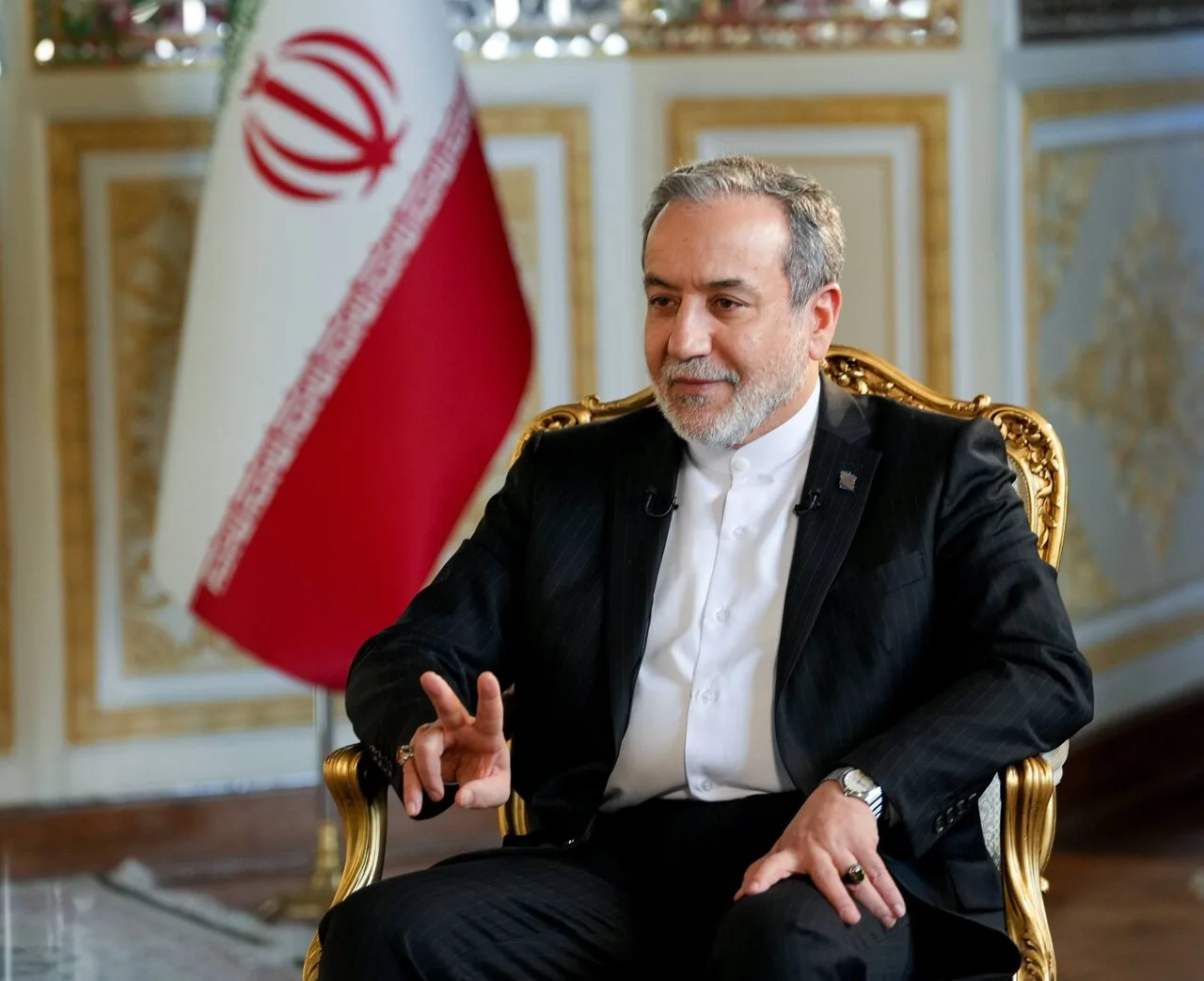
Isfahan University of Technology has issued preliminary disciplinary rulings for about 30 students. These rulings were made after reviewing nearly 50 cases in the university's disciplinary council related to student protests in Bahman and Esfand 1404. According to Zafarullah Kalantari, the university president, the harshest punishment for some students has been a two-semester suspension from studies.
Review of Cases and Issuance of Rulings
The president of Isfahan University of Technology announced on Saturday, October 10, 1405, that the university's disciplinary council has reviewed nearly 50 cases related to last winter's student protests. Ultimately, about 30 cases resulted in preliminary rulings with varying degrees of punishment. Among these rulings, the harshest punishment has been a two-semester suspension from studies, which has serious implications for the students' educational status.
Read more: Funeral of Martyr Dr. Nasrat Eftekhar in Zahedan
Suspension from Studies and Its Consequences
Although the university president has stated that no student has been expelled, temporary suspension from studies can lead to delays in the educational process, issues related to academic programs, and personal and family consequences. A student who is suspended for one or two semesters will not only face educational challenges but may also encounter psychological and social pressures.
Despite some rulings being suspended and allowing students to continue their studies, details regarding the cases, including accusations and reasons for the rulings, have not been publicly disclosed. This has created ambiguity about how the cases were handled and the students' defense processes.
Concerns About the University Environment
The issuance of disciplinary rulings at Isfahan University of Technology has once again raised the issue of how to deal with students' protest activities. Universities are required to adhere to internal regulations while students must have the opportunity to express their views, critique, and participate in civil and academic activities within the framework of their legal rights. In such circumstances, transparency regarding accusations and case documentation is of special importance.
Suspension from studies, even if temporary, must be applied with caution and consideration of students' right to defense. As universities currently face serious challenges regarding academic rights, addressing disciplinary cases and how to deal with protesting students is a significant issue that requires further examination and attention.
Read more: Investigator Greg Stanton Discovers First Clues from the Crime Scene · Amirkabir University President: The Teacher-Student Relationship Should Go Beyond Official Boundaries