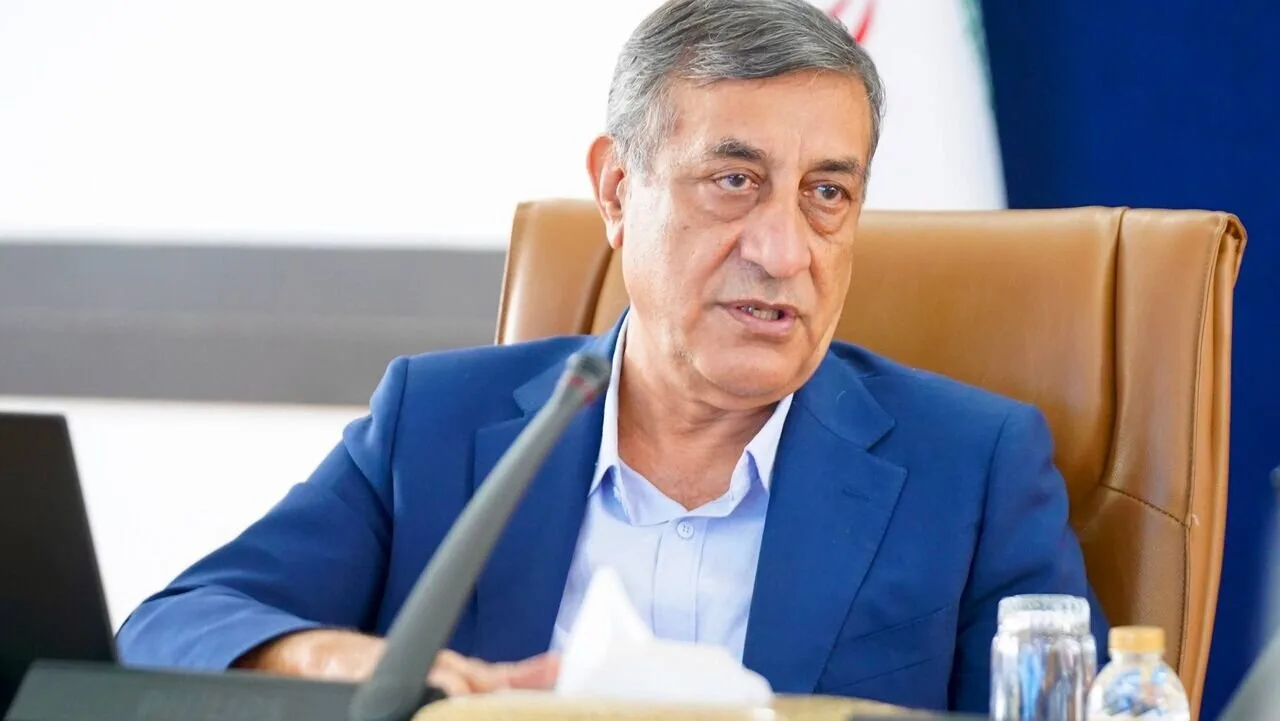
Mohammad Jafar Ghaemian, the Executive Vice President, emphasized the importance of extensive information dissemination about this program during the family medicine meeting held at the Ministry of Health. He reminded that family medicine is not a new topic and its history dates back to the 19th century, with experiences from various countries showing that this system not only aids in providing health services but also plays a significant role in scientific production and improving health indicators.
National Consensus for Implementing Family Medicine
Ghaemian pointed to the necessity of forming a national consensus for implementing family medicine in the country, referencing the positive impact of this system on increasing life expectancy and reducing diseases in developed countries. He stated, "In countries like Canada, patients must go through their family physician for specialized services, and this program is also implemented in European countries." For instance, in France, about 95% of the population receives services within the family medicine system.
Read more: Increase in Polio Cases in Afghanistan After Suspension of House-to-House Vaccination
History and Emphasis on Program Implementation
The Executive Vice President stated that the implementation of family medicine in Iran also has a long legal history. He referred to the fifth development plan, which about 15 years ago emphasized the topic of family medicine and the referral system. In the seventh development plan, the Ministry of Health has been tasked with fully transferring the intelligent health information system and the family medicine program and referral system to an electronic platform within two years.
Ghaemian also emphasized the priorities of the fourteenth government in the health sector, saying: "The President has outlined three priorities: education, health, and security. Effective coordination of services, continuous care, equitable access, and universal coverage are key factors in achieving sustainable health."
Reduction of Unnecessary Visits and the Responsibility of Family Physicians
He identified three main functions of the family medicine system as population assignment and registration, structured referral, and accountability of the health team for the covered population, adding: "Proper implementation of these three components can reduce unnecessary visits to higher levels of healthcare services by 20 to 30 percent."
Ghaemian emphasized that the duty of the family physician is not just to visit patients, but also to be responsible for the health of the covered population. He also referred to the requirements for the success of the family medicine program, stating: "The belief of senior managers in the country and health sector managers in this program is the first condition for its success."
Securing Financial and Human Resources
The Executive Vice President concluded by mentioning the government's efforts to secure the necessary resources for implementing family medicine, stating: "We are seeking to secure the financial resources and human workforce needed for the implementation of the family medicine program in 64 covered cities to facilitate the expansion of this program and provide more equitable access to health services for the people." He emphasized that the responsibility for the health of the people is not solely on the Ministry of Health, and insurance organizations must also participate effectively in this regard.
Read more: Shahram Shirzadi and the Entry of Artificial Intelligence into the Field of Medicine in Iran · 30% Reduction in Costs for Special Patients with Cooperation Between Health Insurance and the Ministry of Health