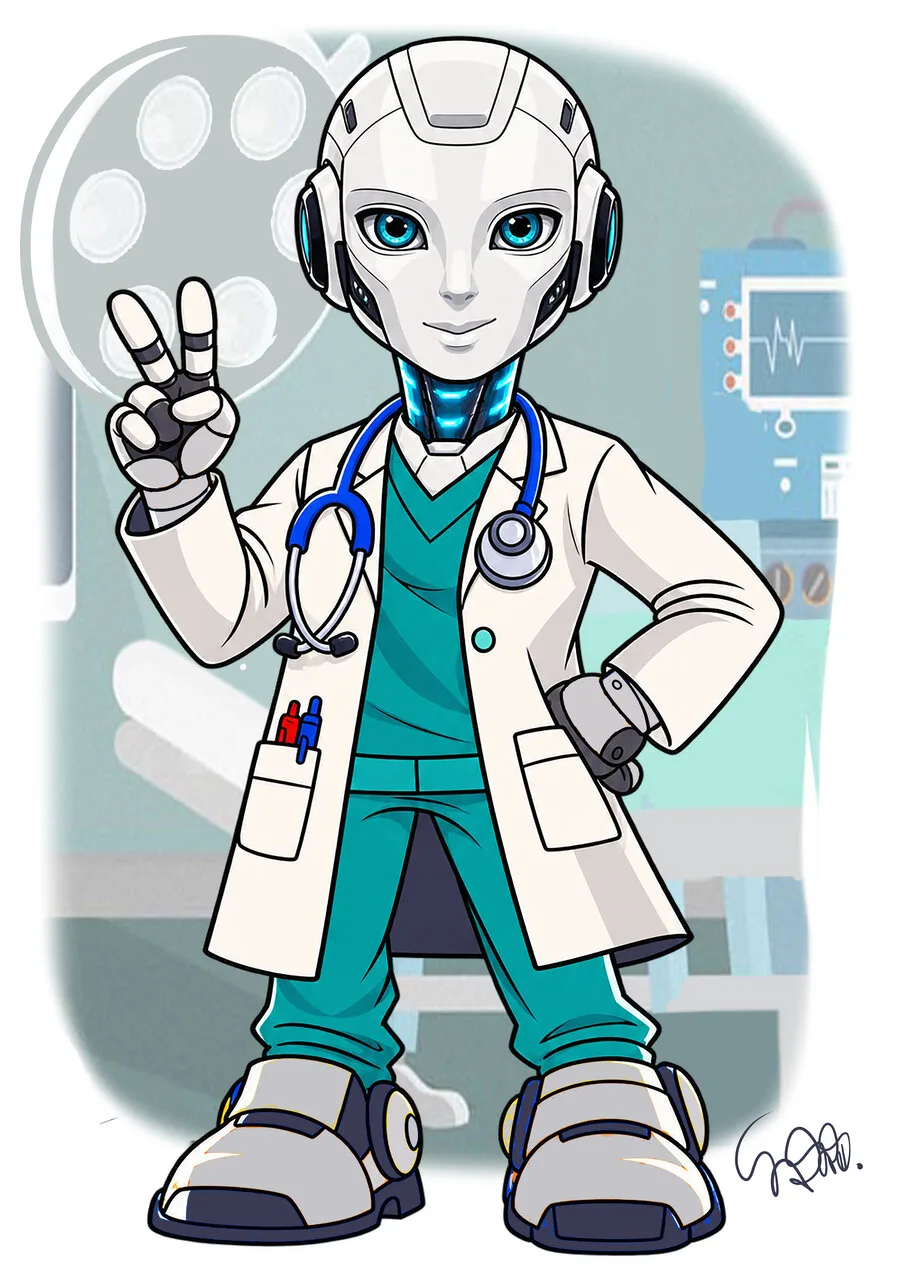
Shahram Shirzadi, the President of the National Artificial Intelligence Association of Iran, recently announced the entry of smart technologies into the medical and treatment fields. These technologies have found numerous applications, especially in disease diagnosis and hospital management, and it seems that they can create a profound transformation in the health sector.
The Impact of Artificial Intelligence on Disease Diagnosis
With the continuous advancements in the field of artificial intelligence, doctors can now use smart algorithms to analyze medical data. These algorithms can identify complex patterns and assist in faster and more accurate disease diagnosis. For instance, in cases such as cancer and heart diseases, the use of artificial intelligence technologies can aid in early detection and improve treatment outcomes.
Optimal Hospital Management with Artificial Intelligence
Artificial intelligence is not limited to disease diagnosis; it also plays a key role in hospital management. Smart technologies can help optimize processes, reduce costs, and enhance the quality of healthcare services. By using intelligent systems, hospitals can easily manage their resources and reduce patient waiting times.
Shahram Shirzadi states: "The entry of artificial intelligence into the health sector not only helps improve the quality of treatment but can also reduce the workload of doctors and nurses. This allows them to focus more on patients and, consequently, provide better service quality."
Challenges and Barriers Facing Artificial Intelligence in Medicine
Despite all the advantages of artificial intelligence, there are challenges in implementing this technology in the health system. Among these challenges are ethical issues and privacy concerns. Doctors and hospitals must ensure that patient data is managed correctly and ethically.
Additionally, the need for training and upgrading the skills of healthcare personnel is another aspect that must be addressed. Undoubtedly, success in this area requires close cooperation between IT specialists and medical staff.
Ultimately, the entry of artificial intelligence into the medical field of Iran heralds a significant transformation in the quality of healthcare services. With proper management and attention to challenges, this technology can become one of the main pillars of the country's health system.