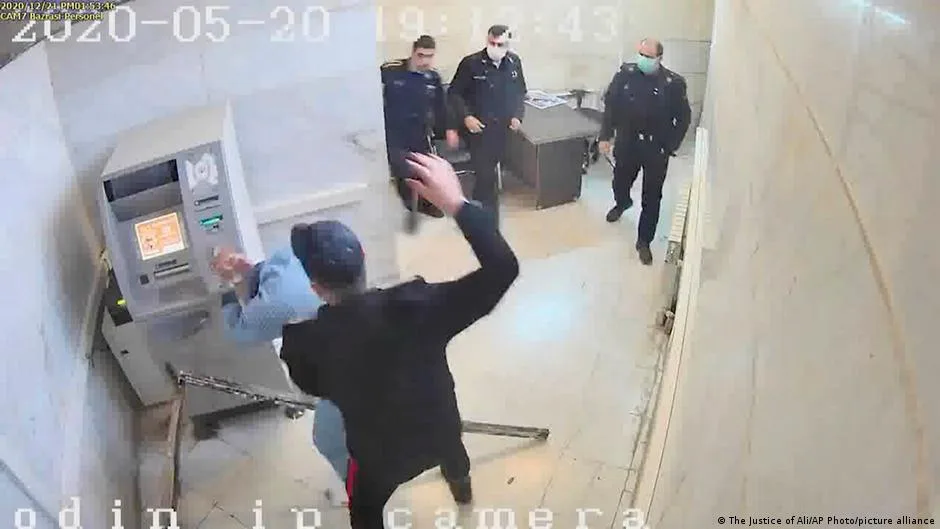
Moein Khazaeli, a lawyer and member of the "Dadban" legal consulting and education center, considers media coverage of the situation of political prisoners to be one of the most effective tools for protecting their rights in most cases. In a situation where death sentences are increasingly on the rise in Iran, questions arise about how to inform and the consequences for prisoners and their families.
Risks and Opportunities of Informing
Khazaeli states in this regard: "Keeping arrests and the conditions of prisoners hidden within the security structure of the Islamic Republic creates an environment for pressure, torture, and obtaining forced confessions." He believes that continuous and documented informing can expose the actions of security and judicial institutions to public scrutiny and reduce the likelihood of such actions, although this cannot completely eliminate them.
He emphasizes that in situations where there is an imminent danger of execution or torture, there is no justification for refraining from informing. Silence and lack of informing in these cases are entirely detrimental to the prisoner, as informing can create the grounds for legal intervention and attract international attention.
Criteria for Decision-Making About Informing
Khazaeli presents three criteria for evaluating when and how to inform: "the level of immediate danger, the credibility and necessity of releasing information, and the legal implications of it." He warns that releasing information at an inappropriate time or under unsuitable conditions may increase pressure and retaliatory actions against the prisoner or their family.
This human rights lawyer also emphasizes the importance of the conscious and free will of the prisoner and states that the situation of the family and their connection to the prisoner should be examined. If the family or lawyer opposes informing, the reasons for this opposition should be taken into account.
Mahshid Nazemi, a human rights activist, referring to the lack of transparency in the judicial system of the Islamic Republic, says: "Families remain in fear and uncertainty and do not know what the consequences of silence or informing will be." She also emphasizes that families should avoid threats and promises from security agencies and provide information confidentially to human rights organizations.
Read more: The IRGC Navy captured an American spy drone in the Strait of Hormuz · JD Vance proposed to Mohsen Rezaei to start peace negotiations