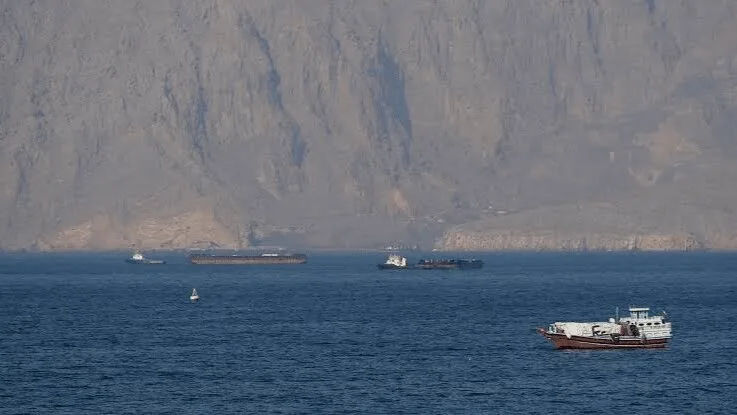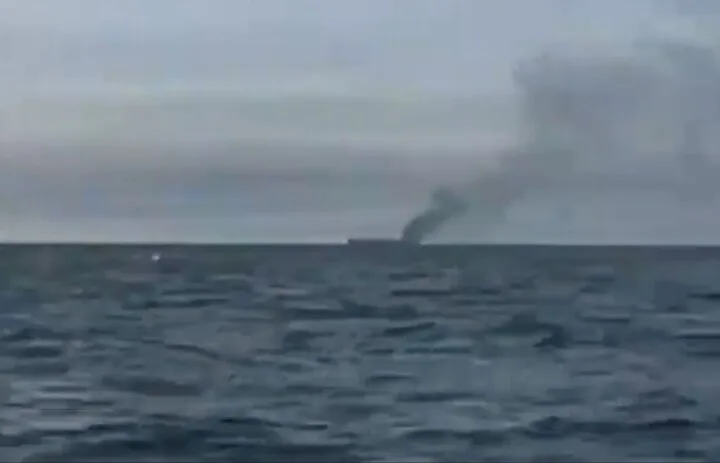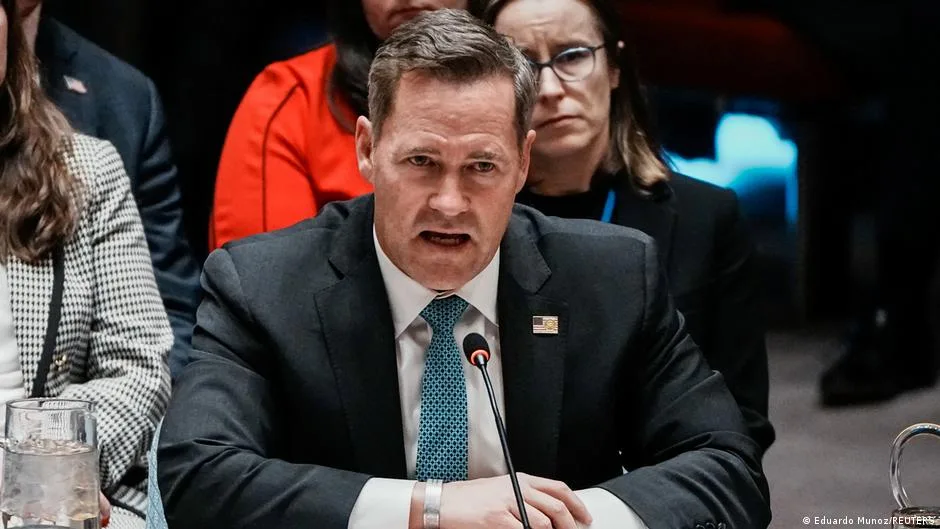
Mike Waltz, the United States Ambassador to the United Nations, announced on Saturday that 146 countries have unprecedentedly condemned Iran's attacks on civilian ships in the Strait of Hormuz. This action reflects a broad international response to violations of maritime law and threats to global security.
Global condemnation of Iran's attacks
Waltz, in an interview with "Fox News Live," stated that Iran has violated international commitments and attacked civilian ships, saying: "You cannot attack civilian ships or shoot down passenger planes simply because you are in the middle of some kind of conflict. This is a violation of international law, and it is good to see the world standing with us in condemning this action."
Read more: Trump administration moves towards agreement with Cuba
Waltz's remarks come as Mohsen Rezaei, Secretary of the Supreme National Security Council of the Islamic Republic, threatened neighboring countries that if they cooperate with the U.S., their airports would also be affected. Mohammad Mokhber, advisor and assistant to the leader of the Islamic Republic, also issued a similar threat, noting that flying in the region is either free for everyone or for no one.
Consequences of sanctions and regional tensions
Following these developments, the Secretariat of the Supreme National Security Council of the Islamic Republic announced that Iran does not intend to engage in "military retaliation" in response to the suspension of its flights in several regional countries. This comes as pressures on Iran due to its military activities and nuclear program have significantly increased.
Waltz also referred to the economic pressure campaign against Iran in this interview, stating: "Countries in the region and around the world are no longer allowing even Iranian airlines that have transported weapons, soldiers, and security agents worldwide to operate. They are closing air routes and halting banking transactions." These remarks indicate serious concerns about the negative impacts of Iran's activities on global security.
As tensions in the region continue and attacks on civilian ships and threats have increased, the reactions of various countries and international organizations to this issue could lead to the formation of a new framework for maritime security and international cooperation. Given the current situation, these developments could have serious consequences for Iran's diplomatic and economic relations with other countries.
Read more: The U.S. and China agree to establish a bilateral communication channel · Scott Bessent: Efforts to isolate Iran's economy have borne fruit