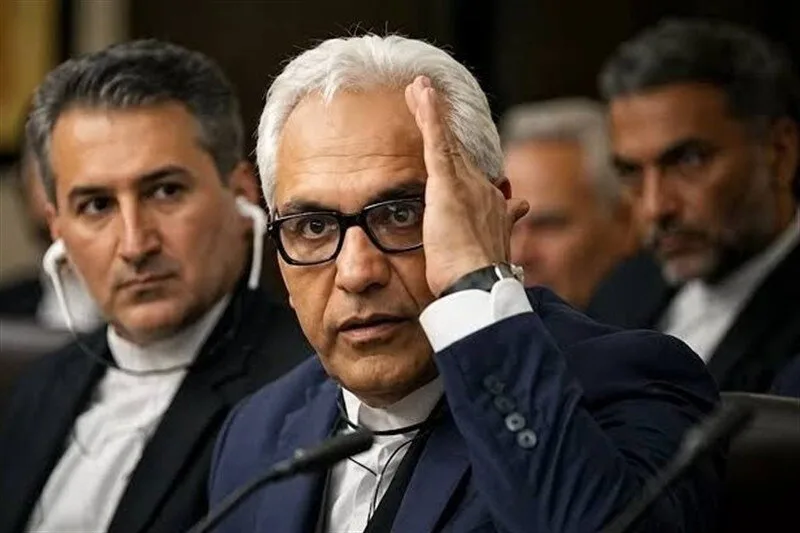
Mehran Modiri, returning to the character Masoud Shostchi, has once again appeared on screen after 18 years since his first presence on television. This return seems to be an opportunity to revive the bittersweet memories that viewers have had with his works, given the current state of Iranian television. Modiri, known for famous comedies such as 'The Man of a Thousand Faces' and 'The Man of Two Thousand Faces', is now back on television with 'The Man of Three Thousand Faces'.
High Audience Expectations
The character Masoud Shostchi, as one of the symbols of comedy on Iranian television, carries a heavy burden of expectations. Today's audience expects not only to be reminded of past memories but also to be entertained with new and surprising situations. The core of the Shostchi character still has the capacity to create comedic situations, but it must be noted that these situations need to be more appealing and novel than before.
Comedy Challenges in the New Era
Today's audiences are faced with a world of comedic content on social media, and their expectations from television comedies have significantly increased. In the first two episodes of 'The Man of Three Thousand Faces', the expected surprise and novelty are still not evident. For television comedy, it is no longer enough to just have funny dialogues; it must create situations that surprise the audience and develop characters that contribute to the production of humor.
The writers of this series face a significant responsibility; they must not only write fresh dialogues but also maintain the integrity of the story world and its characters. This is especially important for characters returning from previous seasons. Given Mehran Modiri's prominent name, one can expect that the screenplay will be of high quality.
Another noteworthy aspect of this return is the cast composition. Over the years, Modiri has collaborated with many actors, and these collaborations form part of his comedic identity. The question arises whether some familiar faces could have also been included in this venture, especially since Flamak Jenidi, who played Masoud Shostchi's fiancée in the previous two series, is not present in this series.
Meanwhile, 'Paytakht' continues to be a successful example of television series. This series has not only retained its main characters but has also updated its story and situations. This experience shows that maintaining the character and identity of a television series is important, but it must also align with the changes of the times. The audience does not want to see the same story again; they expect to encounter a new and engaging narrative.
Read more: The Fate of Macklemore and Navid Mohammadzadeh; What Consequences Does Supporting Palestine Have? · Soodah Najafi: The Necessity of Continuous Monitoring of the Public Transport Fleet in the Capital