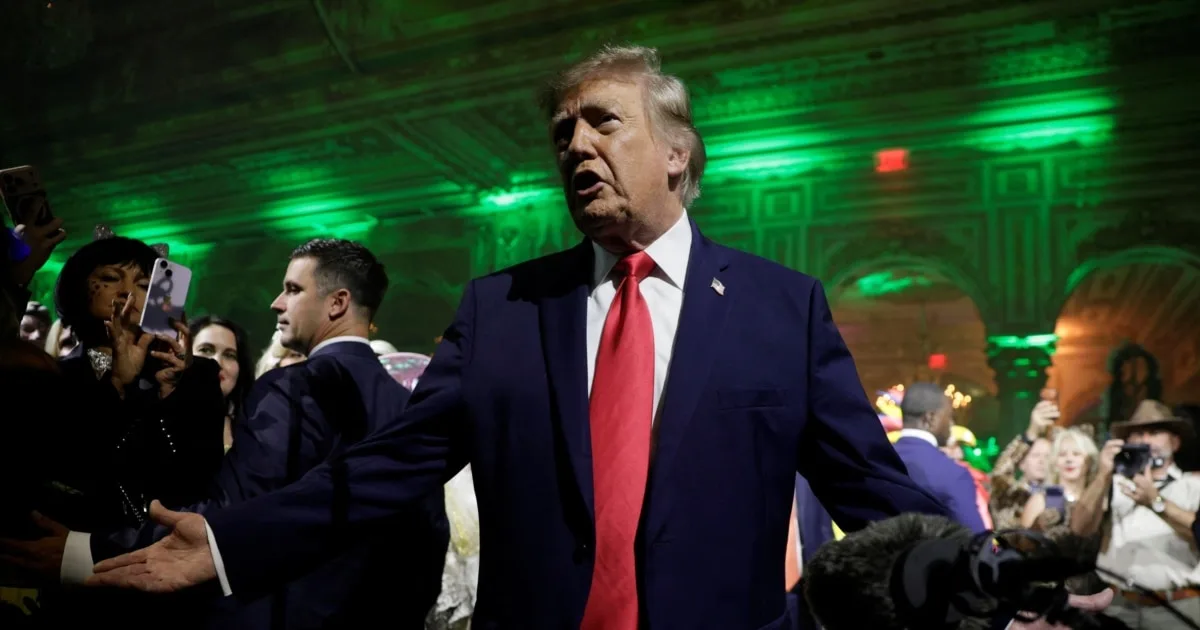
The possibility of a new round of extensive U.S. attacks on Iran has been raised once again. The U.S. military has prepared plans at the request of Donald Trump to target Iran's energy infrastructure and nuclear facilities, with the potential use of one of the country's most powerful non-nuclear bombs among the options. However, a definitive decision to carry out such operations has not yet been announced.
The Islamic Republic's Readiness Against Threats
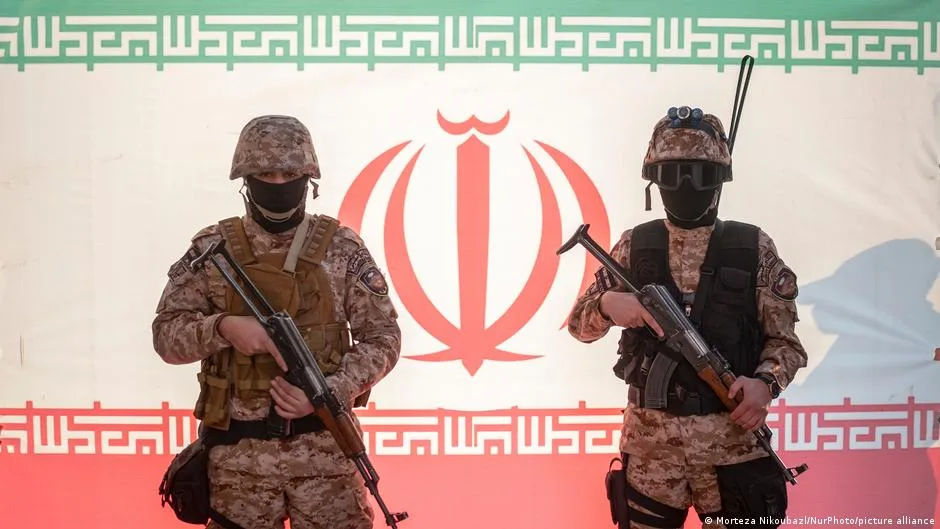
In Tehran, officials of the Islamic Republic say they have prepared for another attack following the experience of the past war. The threat to expand the scope of military response and warnings to regional countries about potential cooperation with the U.S. are also part of the government's efforts to increase the cost of the next attack.
Read more: Continuing Rainfall and Flood Warning in 26 Provinces of the Country
Regional Developments and Saudi Defense Cooperation
At the same time, Saudi Arabia has increased its defense cooperation with foreign allies in response to intensified Houthi attacks from Yemen. These developments, alongside the visits of Russian and Pakistani officials to Tehran, indicate that regional countries are facing two simultaneous concerns: the possibility of war expansion and the increasing difficulty of reaching a political agreement.
Despite the extremely high explosive power of the GBU-43/B bomb, known as the "Mother of All Bombs," military experts have doubts about its effectiveness against hardened facilities deep underground. This weapon is designed for widespread destruction at surface level and is different from the GBU-57 bunker buster bomb, which has the capability to penetrate underground structures.
Ali-Asghar Shafieian, media advisor to Masoud Pezeshkian, stated in an interview with the media that the Islamic Republic has prepared for another potential military confrontation by reviewing the experience of the past war. He acknowledges the U.S.'s military and technological superiority but believes that Iran's readiness should not be assessed solely based on a comparison of the military capabilities of the two countries. In such an assessment, the Islamic Republic's goal is not to achieve victory in a conventional confrontation with the U.S. military.
Rahman Ghahramanpour, a political and nuclear issues analyst, states that the Islamic Republic's readiness for a potential war is not only related to the reconstruction of military equipment. He believes that the government is simultaneously preparing to deal with internal unrest. Addressing armed opposition groups and strengthening security structures are among the measures that can be considered in this regard.
Read more: Officers from the Military Academy Eating Ice Cream at Shahrajab Café · Withdrawal of American Diplomats from Saudi Arabia Following Houthi Attacks