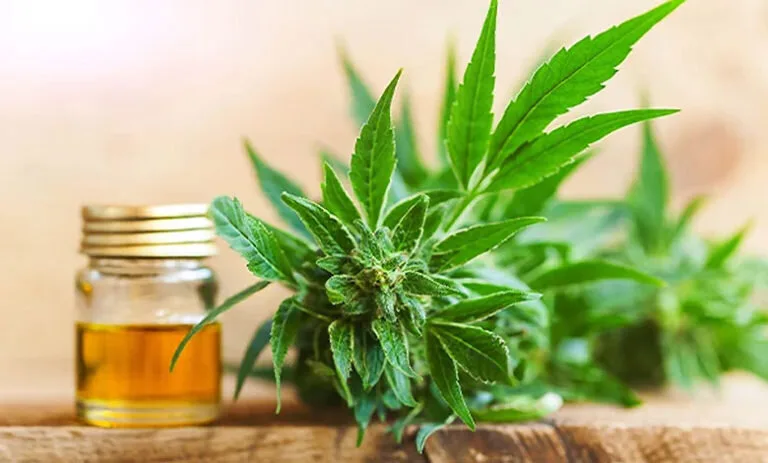
The cultivation of industrial hemp with approved seeds and less than 0.3% of the psychoactive substance THC has been declared legal after obtaining permission from the Agricultural Jihad Organization of the province. Due to its low THC content, its main applications are in the pharmaceutical and industrial fields, and it is significantly different from hemp used for producing narcotics.
New Opportunities in Pharmaceutical Industries
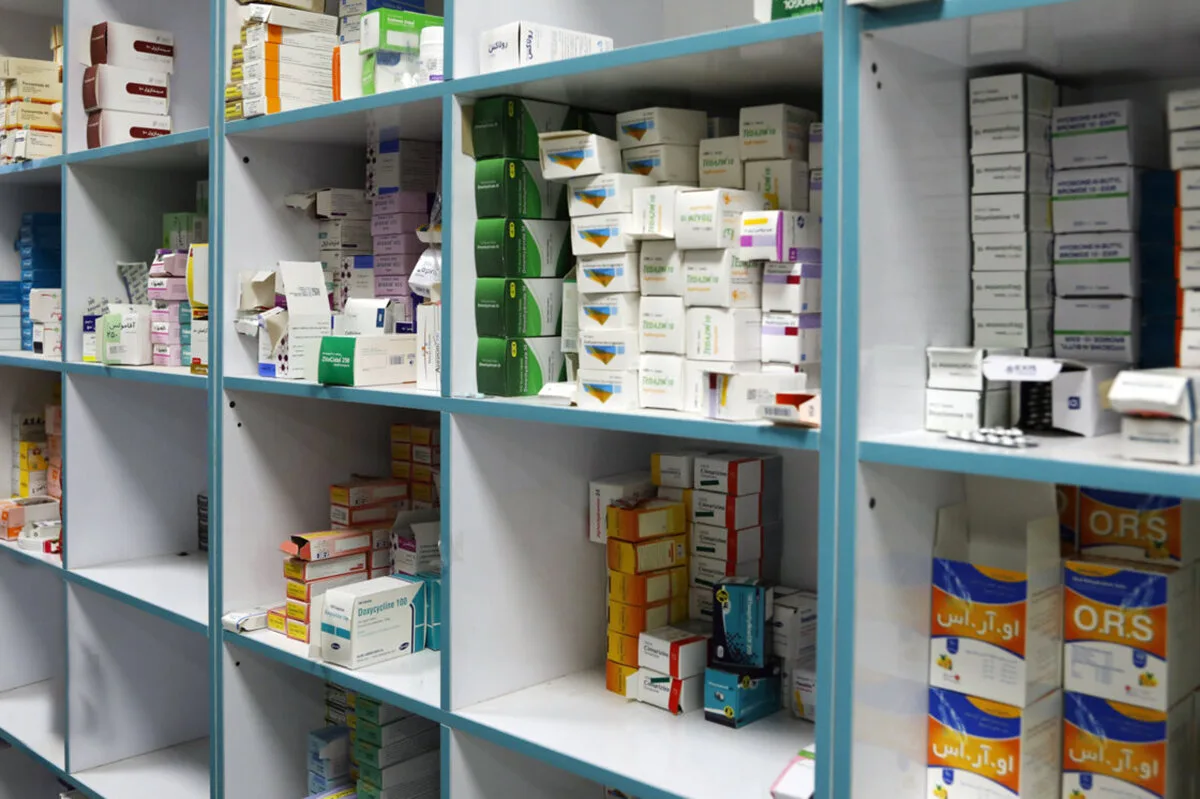
Farahmarz Ekhtaraei, the chairman of the board of the Syndicate of Producers of Pharmaceutical, Chemical, and Packaging Materials, emphasizes the importance of this change. Extracted materials from industrial hemp, including CBD and THC, are used in the production of medications for patients suffering from MS and mental health disorders. Ekhtaraei states that currently, part of these raw materials is imported, and developing domestic cultivation can meet the needs of the pharmaceutical industries.
Read more: Sleep and Mental Health: An Indissoluble Link in Human Life
Diverse Products of Poppy and Hemp
In addition to pharmaceutical applications, products from this plant include fibers used in textiles, automotive, and construction industries, as well as oil from its seeds. In fact, the cultivation of poppy and industrial hemp can help establish a domestic supply chain that will reduce costs and improve product quality. Furthermore, contrary to some claims, industrial hemp is different from hemp and these two belong to separate botanical families.
Providing raw materials for painkillers and addiction treatment is another reason for focusing on the cultivation of specific poppy species. In recent years, a decrease in narcotics discoveries at the eastern borders has led to a shortage of some pharmaceutical raw materials, causing issues in the production of medications such as opium syrup. Additionally, the shortage of certain painkillers, including codeine acetaminophen, has increased the necessity for finding alternative solutions.
Monitoring the Cultivation of Iranian Poppy
In this regard, three species of poppy are distinguished: opium poppy or opiiferum, which is prohibited to cultivate in Iran; elytra poppy, which requires industrial processing to extract its active materials; and Iranian poppy or bracteatum, which is morphine-free and contains thebaine. According to the Drug Control Headquarters, the cultivation of Iranian poppy is permitted in a regulated and controlled manner.
Ekhtaraei emphasizes that this plant is the same as the wild poppy and differs from the species used for opium production. Developing the controlled cultivation of these plants can provide the basis for domestic production of pharmaceutical raw materials, reduce import costs, and ensure the stability of drug supply, provided that their cultivation and processing are conducted under legal supervision.
Read more: Message of Congratulations from the Commander of the IRGC on the Birth of Hazrat Zainab and Nurse's Day · Mohsen Omidian: Supporting Drug Producers and Accelerating License Issuance is a Priority for Activities in Region 21