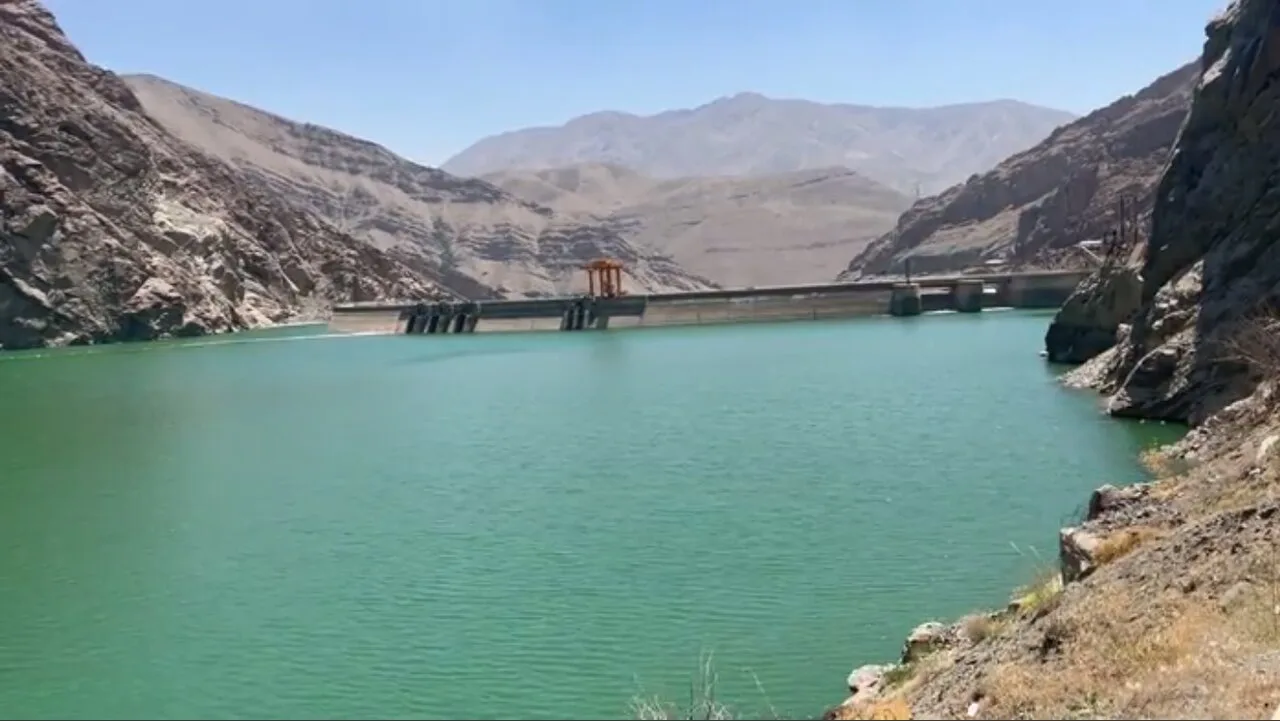
The water supply reservoirs for Tehran province are facing serious challenges as the rainy season approaches. According to recent statistics, the total reserves of these dams reached 359 million cubic meters by November 1, 2023, which, despite an increase compared to the same period last year, is 189 million cubic meters less than the long-term average.
Current Status of the Dams
Rama Habibi, Deputy for Protection and Exploitation at the Tehran Regional Water Company, stated that most of Tehran's dams are currently half or less than half full, with the expectation of above-normal rainfall in the fall and winter due to El Niño. For example, the Karaj Dam is in a better position in terms of volume, with its water level slightly above half.
Habibi also mentioned that the Lar Dam, with a capacity of 920 million cubic meters, currently holds only about 4 to 5 percent of its water, which is a concerning situation for the supply of drinking and agricultural water in the province.
Water Management Challenges
The Deputy for Protection and Exploitation at the Tehran Regional Water Company emphasized, "Above-normal rainfall could provide an opportunity to compensate for some of the shortages in Tehran's dam reservoirs; however, managing the inflow and outflow of water during heavy rainfall becomes even more critical."
He stressed that if the inflow of water to the reservoirs increases, managing the outflow of the dams with due consideration of technical and safety considerations will be essential. In the event of dam overflow, the outflow from the reservoirs will be adjusted according to the inflow and released downstream.
The Future of Tehran's Water Reserves
According to existing statistics, the status of the dams indicates that an increase in rainfall alone does not mean that the reservoirs will be filled or that water shortages will be resolved. The empty capacity in the reservoirs can provide an opportunity to store some of the incoming runoff, but this depends on the timing and spatial distribution of the rainfall and its intensity.
Based on the latest statistics, the Amir Kabir Dam, with a reserve of 123 million cubic meters, is the only dam in this collection that has a storage volume above the long-term average, while the Latiyan, Lar, Taleqan, and Mamlou dams remain below their averages.
Overall, despite the increase in Tehran's dam reserves compared to last year, there is still a need for precise and effective management to address the upcoming water challenges. Especially considering the forecast of more rainfall that could help improve the status of water reserves, the actual conditions of water inflow to the dams and its management will be decisive.
Read more: Return of 300 Million Assets of Foreign Tourist in Tehran Metro