Jose Munoz, CEO of Hyundai Motor, recently made serious remarks about the fierce competition posed by Chinese cars in global markets. He emphasized that these cars, especially in Europe, are being sold at prices significantly lower than their traditional competitors, which could become one of the major challenges for the automotive industry in the future.
Increasing Competition from Chinese Cars in European Markets
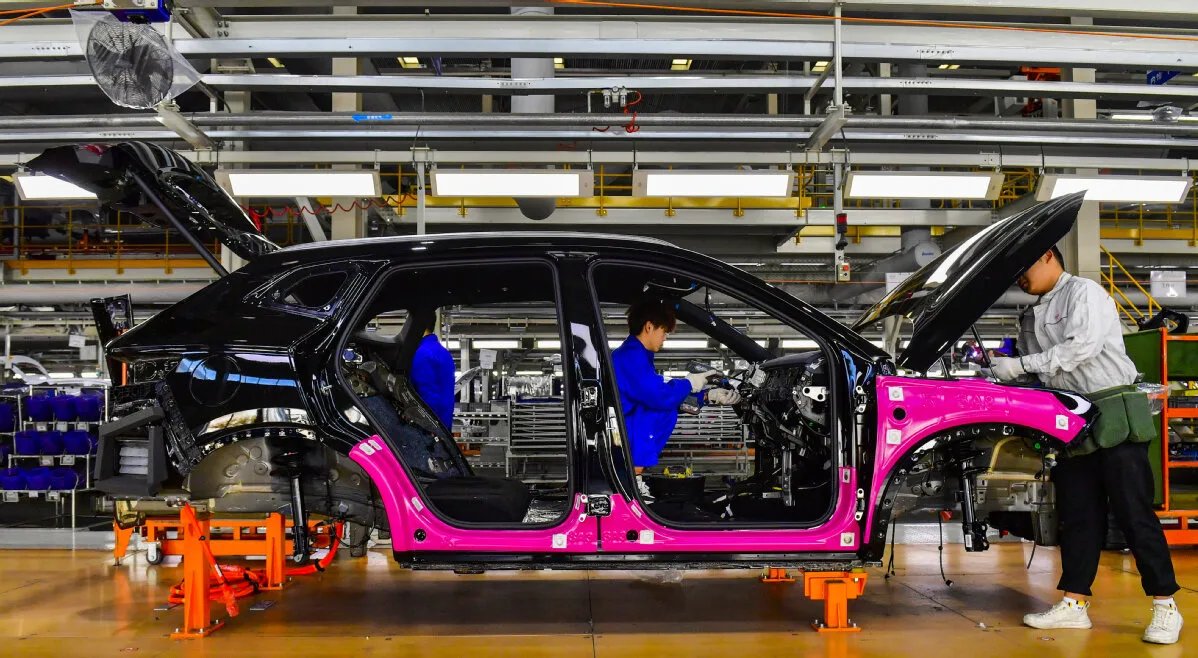
According to Munoz, Chinese cars are being offered in some European markets at prices about 30 to 40 percent lower than similar models from their competitors. This situation reflects the ability of Chinese brands to attract customers and increase their market share. In the first half of 2026, the share of Chinese brands in car sales in the European Union reached about 9 percent, indicating the serious entry of these brands into the market.
Read more: France with 348 Types of Taxes Holds the Record for Taxes in Europe
Factors Affecting the Entry of Chinese Cars into the U.S.
The import of electric cars made in China to the U.S. faces tariffs close to 100 percent, which hinders the widespread entry of Chinese brands into this market. However, Munoz warns that if trade and protective barriers are reduced, the U.S. may also face a flood of Chinese cars, which could have a significant impact on the automotive market in the country.
Currently, in the UK, which has not imposed similar tariffs on Chinese electric cars since leaving the European Union, the share of Chinese brands has reached about 15 percent of new car registrations. Brands such as MG, BYD, and Chery have emerged as serious competitors to traditional UK automakers, putting additional competitive pressure on them.
This situation indicates profound changes in the automotive industry, and it seems that Chinese brands are rapidly becoming key players in this market. Therefore, traditional automakers must plan to address these challenges and consider new strategies to maintain their market share.
Read more: Arman Khalighi: The Labor Law Needs a Major Decision to Solve Inflation · Increase in Technical Inspection Lines in Tehran to 66 Lines for Better Service