J.D. Vance, the U.S. Vice President, sent his diplomatic message to Tehran in a letter to Mohsen Rezaei, the Secretary of Iran's Supreme National Security Council. This letter was published concurrently with a Qatari delegation's visit to Tehran and the rising military tensions in the region. The diplomatic and military movements ahead of the U.S. midterm elections reflect the ongoing complexities in U.S.-Iran relations.
Simultaneous Diplomatic and Military Movements
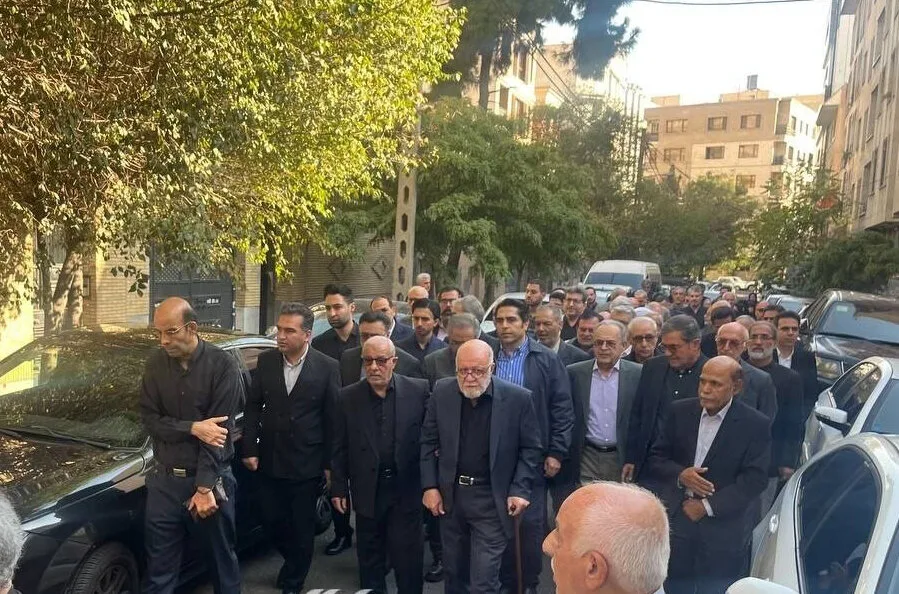
When J.D. Vance sent his letter to Mohsen Rezaei, a delegation from Qatar was visiting Tehran to discuss bilateral relations and regional developments. This visit followed the presence of a Qatari mediation delegation in Tehran, and Barak Ravid, a reporter for Axios, has reported that these mediators came to Tehran to discuss the latest U.S. proposals to Iran.
Read more: Threat from the Revolutionary Guards to the Internet Cables in the Strait of Hormuz
While Vance's letter has been confirmed by a senior security source in Tehran, Iran has yet to respond to this letter, and Iranian officials have expressed skepticism about its content. According to Mostafa Najafi, an advisor to Mohsen Rezaei, no final conclusion has been reached on how to respond to the letter.
U.S. Military Readiness and Iran's Lack of Response
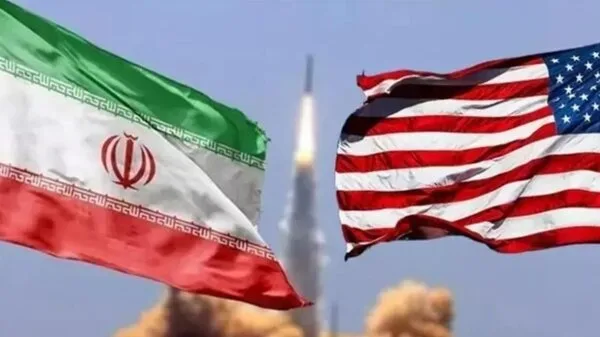
Alongside the diplomatic movements, there are also signs of increased U.S. military readiness. Avi Ashkenazi, a military reporter for Maariv, has reported from his sources that Israel has identified initial signs of a large-scale U.S. military buildup to escalate regional tensions. This report indicates that the U.S. has deployed two aircraft carriers and twelve destroyers in the Arabian Sea and has increased its number of refueling aircraft to 190.
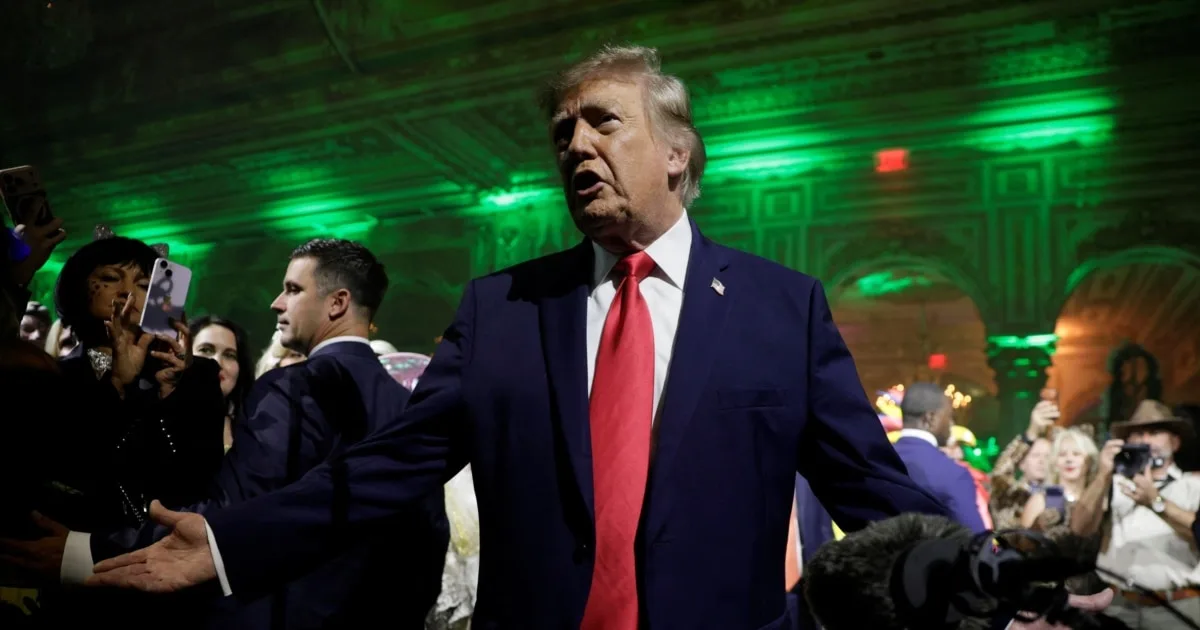
Donald Trump, the U.S. President, in response to reporters regarding Vance's letter, stated that the purpose of the letter was to assist Iran in securing medicine and medical supplies. These remarks reflect Trump's reluctance towards diplomacy and also a lack of trust in Vance's efforts to restart negotiations with Iran.
As the U.S. midterm elections are set to take place on November 3, Tehran appears to be waiting for the results of these elections and does not intend to respond to U.S. diplomatic movements until the new conditions in Washington become clear. According to some analysts, this approach may signify a wait for changes in the U.S. government.
Read more: Downing of an American Drone by the Revolutionary Guards in the Strait of Hormuz · The Iranian Team and Qatari Delegation Went to Doha and Negotiations with the U.S. Continue