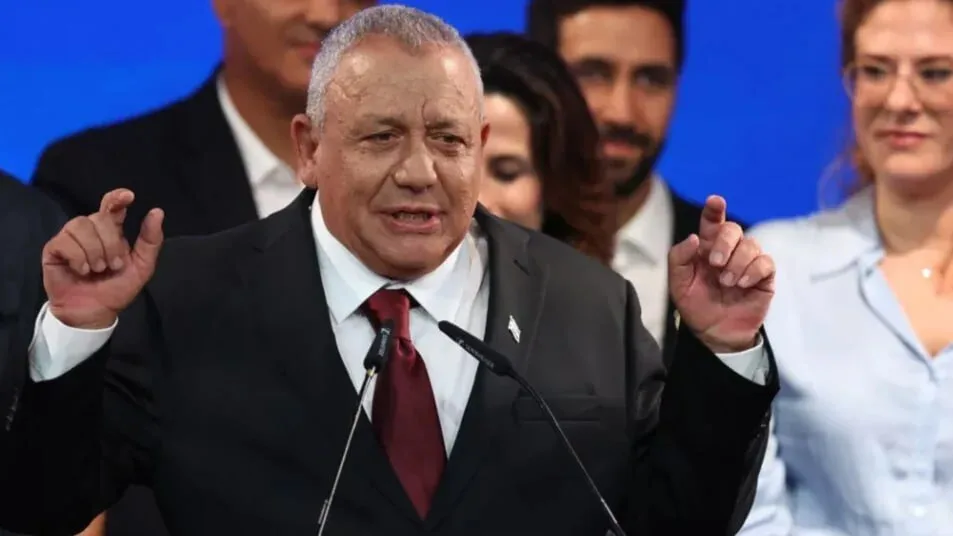
The Israeli parliamentary elections held on Tuesday evening (October 27) resulted in significant yet challenging outcomes for both main camps. According to the first polls, the Likud party, led by Benjamin Netanyahu, is projected to secure 25 seats out of 120 in the Knesset, placing it at the top. However, the opposition coalition led by Gadi Eisenkot comes in second with 21 seats, bringing the total seats for this coalition to 53.
Challenges in Forming a Government
These results come despite previous predictions indicating that the Yashar party, led by Eisenkot, would surpass Likud. Nevertheless, neither camp is able to secure the necessary majority to form a government, as a minimum of 61 seats is required. Therefore, despite Likud's lead, new challenges exist for both sides in the process of forming a government coalition.
Read more: Flood hits Phuket Island, Thailand; water reached 50 centimeters
Other polls also show similar results. Israel's Channel 13 has predicted that Likud will secure 25 and Yashar 23 seats. Additionally, Arab parties not part of the main opposition coalition will collectively gain 17 seats, marking the highest number for them in the history of Israeli elections.
Voter Turnout and Its Impact
The voter turnout for this election reached 74.3% by 8 PM local time, reflecting an 8% increase compared to last year and the highest turnout at this hour since 1988. The Central Election Committee of Israel also rejected Likud's request to extend the voting hours, stating that there was no reason to increase the hours of polling station operations.
During the counting of votes, Netanyahu and his advisors are preparing a text for a potential victory announcement. Although Likud's lead among the parties does not automatically grant them the right to form a government, Netanyahu is seeking to argue that he should take responsibility for forming the next government.
Despite both camps' inability to secure a majority, the initial election results indicate a close and serious competition between them, which could significantly impact Israel's political future. Currently, both sides are preparing for the next stages and upcoming challenges.
Read more: Former Mossad Chief Questions Netanyahu's Approach to Iran · Benjamin Netanyahu Announces Expansion of Israel's Naval Capabilities