Israel has recently announced that it will close the West Bank and Gaza crossings on the anniversary of October 7. This decision has faced various reactions, especially given the current conditions where tensions in the region have reached their peak.
Background and Conditions for Decision-Making
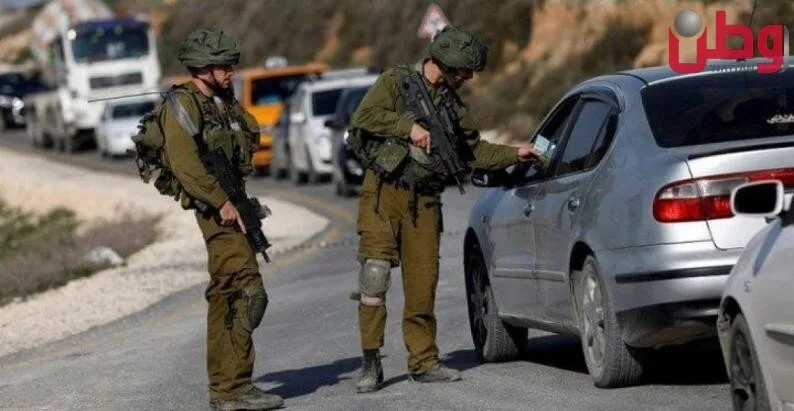
The West Bank and Gaza crossings have always played a vital role in the humanitarian and economic communications of the people in these areas. These crossings become even more significant as the main routes for the movement of goods and people, especially when Gaza is under siege and the West Bank faces numerous restrictions. By closing these crossings on the anniversary of October 7, Israel effectively limits people's access to basic necessities.
Read more: Destruction of Kyiv Bridges Disrupts Life in the Capital of Ukraine
Humanitarian and Economic Consequences
The decision to close the crossings could have severe humanitarian and economic consequences. Many residents of Gaza and the West Bank lack access to food, medicine, and other essential needs, and closing these crossings exacerbates their problems. Additionally, given that these areas are heavily dependent on humanitarian and economic aid, this action could significantly impact their living and health conditions.
On the other hand, this decision may also increase tensions in the region. In the past, closing crossings has always led to protests and social unrest, and currently, many analysts believe that this action may escalate violence and further instability.
Ultimately, closing the West Bank and Gaza crossings on the anniversary of October 7 not only affects the humanitarian and economic situation of the people in these areas but could also have broader implications for peace and stability in the Middle East. The international community must respond to this decision and support all efforts to reduce tensions and improve the humanitarian situation in these areas.
Read more: Ilham Aliyev Identifies the U.S. and China as the Only Superpowers in the World · Google and the Narrative of Gaza's Destruction with New Images