Iran's basketball and wrestling teams excelled in the Asian Games in Nagoya, achieving remarkable results in the absence of Javad Davari, the president of the Basketball Federation, and Alireza Dabir, the president of the Wrestling Federation. These managerial decisions and the selection of the right technical staff demonstrated that the physical presence of managers does not always equate to success.
Iran's Basketball Brilliance
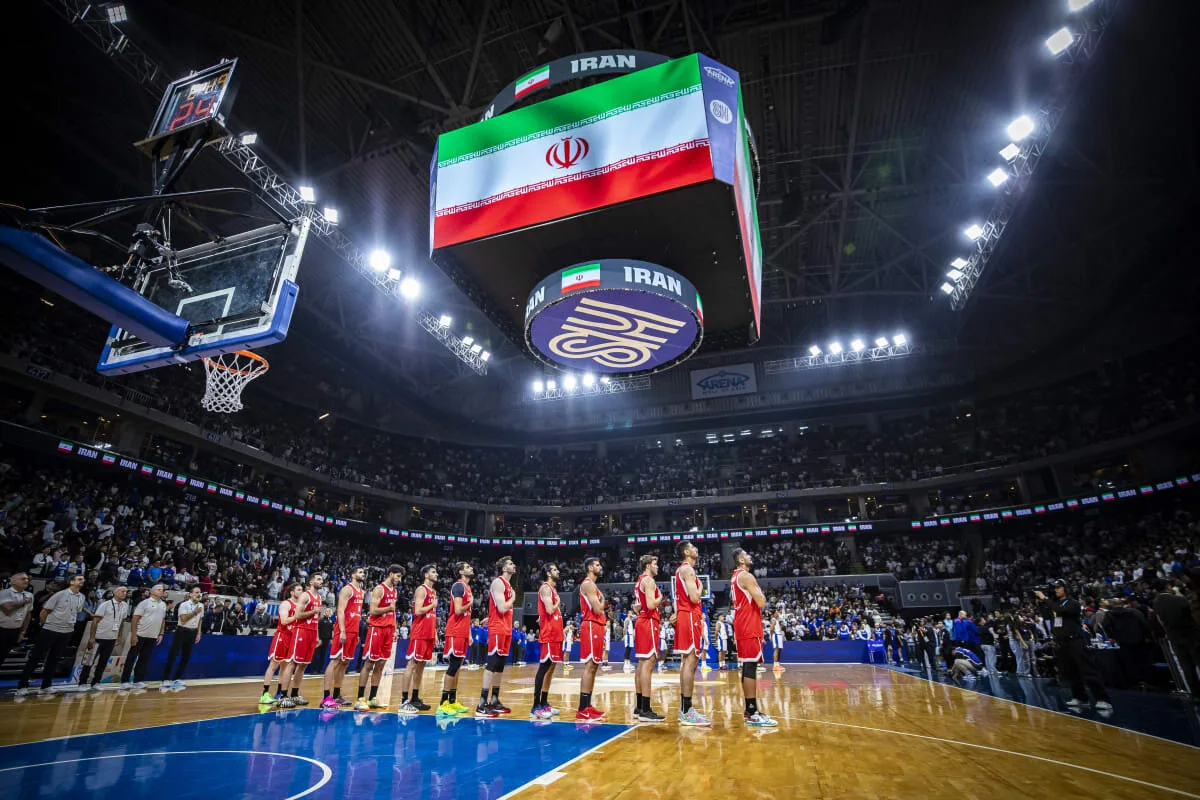
The Basketball Federation sent 3 teams to Nagoya, and with a young lineup, succeeded in winning 2 bronze medals. The men's five-player team, featuring a mix of young players, secured the bronze medal, which was particularly significant as it was the first medal for Iran's delegation in these games. Additionally, the men's three-player team achieved similar results. On the other hand, the women's three-player team was unable to win a medal due to injuries to Farnaz Khodamradi and Mahla Abedi, although they performed very well in the group stage.
Read more: Nekounam: Thank God that my words are coming true one by one
Success of Iran's Wrestling
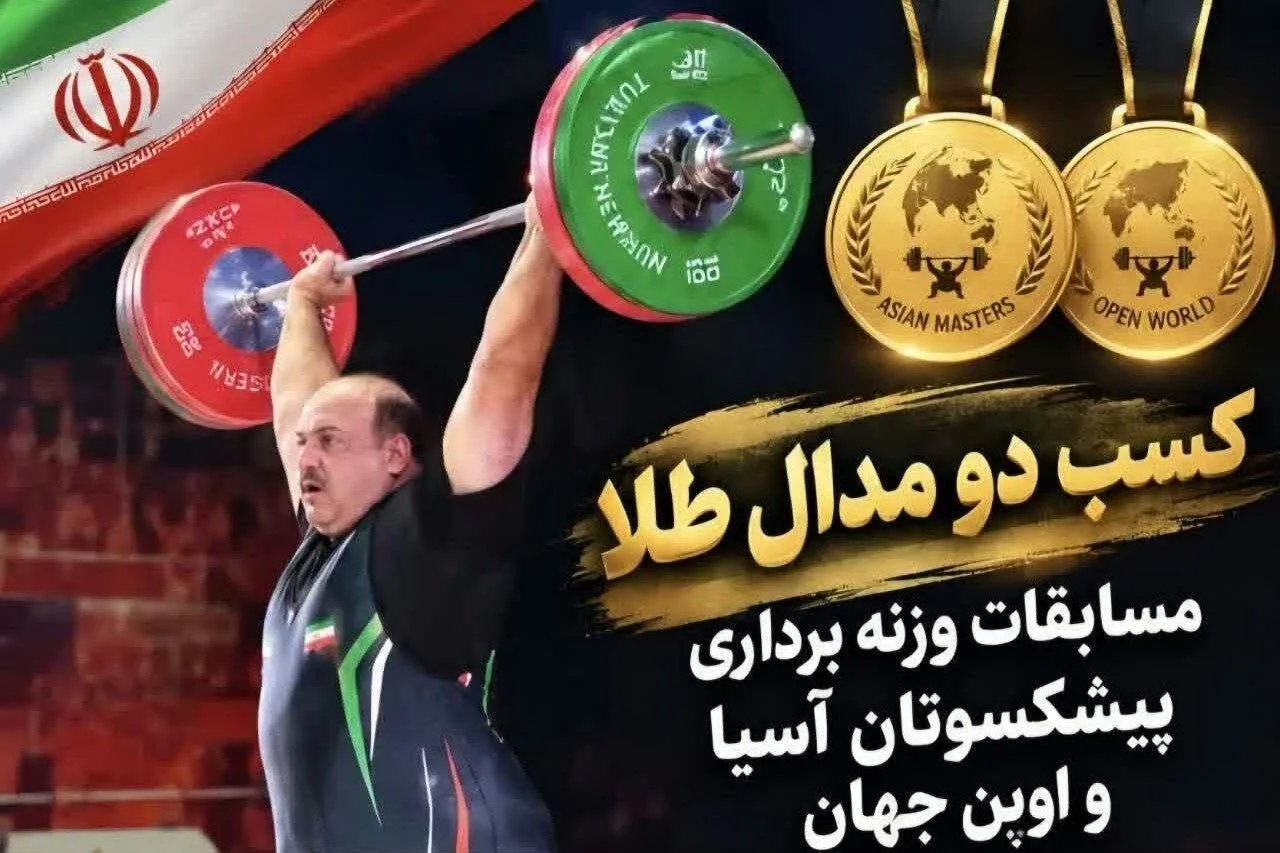
In wrestling, Alireza Dabir, by staying in Iran and managing the technical staff, enabled the national freestyle and Greco-Roman teams to win 6 gold medals and 1 bronze medal. These results were achieved despite the absence of some prominent figures in Iranian wrestling, particularly Saeed Esmaeili and Hadi Saravi, from these competitions. These successes indicate that even in the absence of managers, the efficiency of teams can be influenced by proper management and the selection of suitable technical staff.
Questions About Sports Management
The decision by Javad Davari and Alireza Dabir not to attend Nagoya has sparked a serious discussion about the necessity of managers' presence at major sporting events. Is it always necessary for the president of the federation to be present at the competition venue? This question becomes even more significant in situations where there are limitations on sending teams.
The results of the Asian Games indicate that the presence of a federation in several sports and the simultaneous management of teams require planning and the selection of appropriate specialized staff. This experience could provide an opportunity to reconsider the management of sports delegations and evaluate the performance of federations. Ultimately, what remains from Nagoya is not just the medals, but lessons for the future of sports in Iran.
Read more: Ali Gholizadeh and the Last Chance to Join Persepolis · Tyrese Haliburton's Efforts to Spark Excitement in Students with Free Tickets