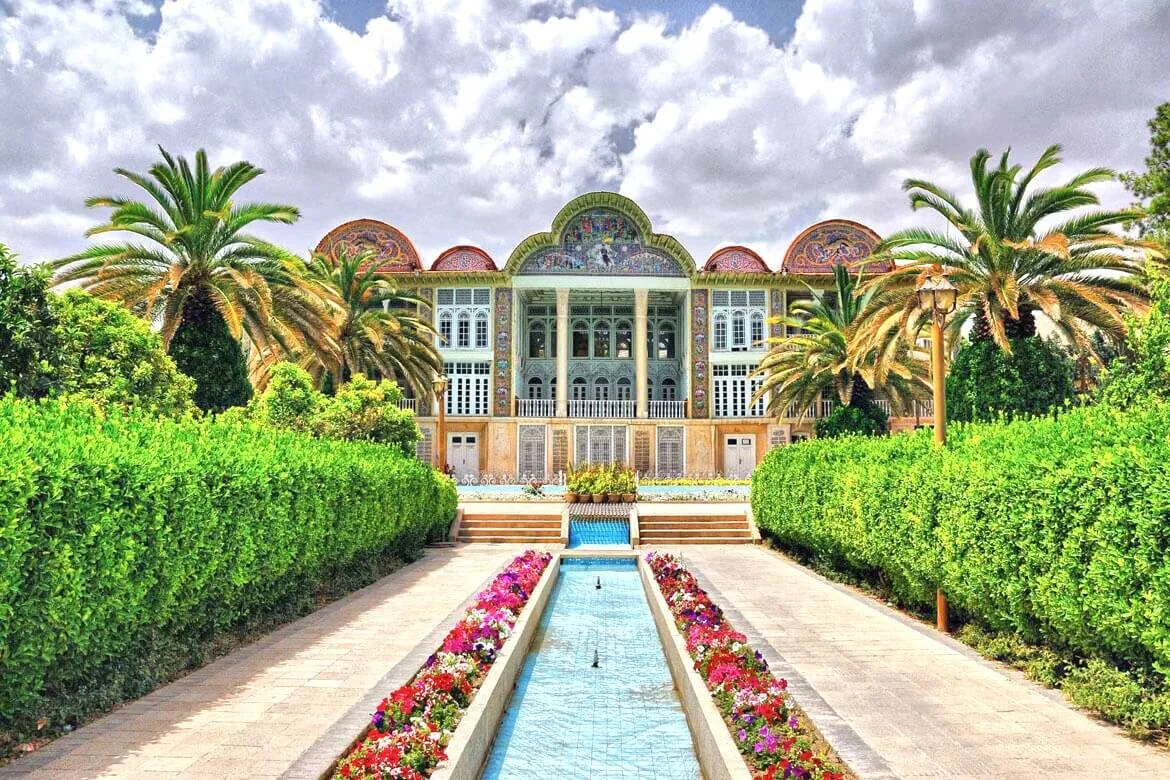
The Iranian garden, an archetype intertwined with the ingenuity of qanat engineering, is not only a historical heritage but also a symbol of the rich identity and culture of Iranians. This native masterpiece, with 9 gardens including Pasargadae in Shiraz, Eram Garden in Shiraz, Chehel Sotoun in Isfahan, Fin Garden in Kashan, Shahzadeh in Mahaan, Dowlatabad in Yazd, Pahlavanpour in Mehriz, Akbarieh in Birjand, and Abbasabad in Behshahr, has been registered in the UNESCO World Heritage list.
The Place of the Iranian Garden in Culture and Identity
Faryar Javaherian, an architect and researcher, examined the place of the Iranian garden in a session, introducing it as more than just a green and decorative space. He stated that these gardens are rooted in childhood memories, communal rituals, and even the way water resources are managed. Javaherian emphasized that the Iranian garden is not only part of the identity and collective memory of Iranians but also a model of landscape design whose influence is evident in global gardening.
Read more: Ahmad Aram, the writer and poet from Bushehr, has passed away
The Connection of the Iranian Garden with Water and Nature
He pointed out the importance of water management in the Iranian garden, noting that water is transferred from upstream springs, qanats, or natural pathways to the gardens, and in this process, the gardens become places for the production and utilization of natural resources. Javaherian said, "The Iranian garden is not just a space for observing beauty; it is simultaneously a place for producing and experiencing beauty."
Farah Habib, a faculty member of the School of Art, described the Iranian garden as a spatial, cultural, and environmental system where water, plants, light, and architecture find meaning in connection with the climate and human experience. She emphasized that the Iranian garden is the result of human interaction with nature, adding, "Water is one of the main elements shaping the Iranian garden and has symbolic meaning in Iranian culture."
Furthermore, Shahryar Sirous, a painter and researcher, discussed the philosophy and thought process behind the Iranian garden, considering it a depiction of an ideal world and order. He said, "The Iranian garden reflects a certain way of thinking about the world and humanity's place in it."
Anousheh Mansouri, a member of the Association of Architectural Luminaries of Iran, emphasized that preserving the Iranian garden goes beyond maintaining a historical structure; this cultural heritage provides an opportunity for future generations to experience the beauty and cultural significance of the garden up close.
Read more: Discover the traditional foods of Shiraz and their authentic flavors · Seyed Reza Salehi-Amiri: Fars should become the main hub of international tourism in Iran