While the world has become accustomed to high summer temperatures, Iran has topped the list of the hottest places in the world with 48.1 degrees Celsius. This news not only reflects the critical state of Iran's climate but also serves as a serious warning for the residents of this country.
Deir Port at the Top of the Heat Table
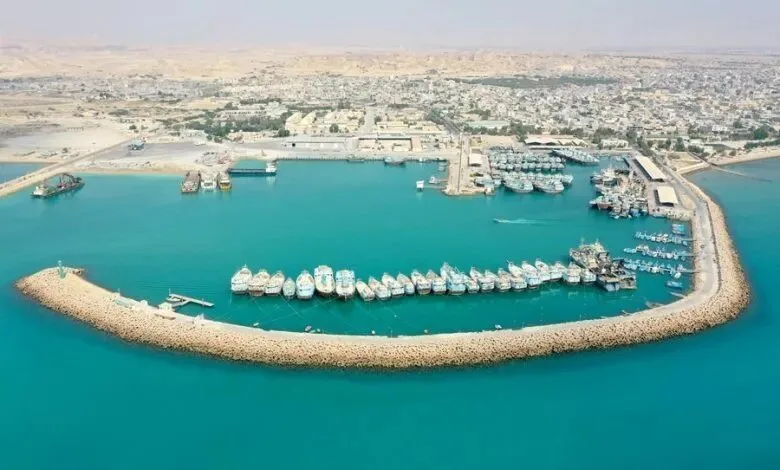
Deir Port, located in Bushehr Province, has been identified as the second hottest point in the world with a temperature of 48.1 degrees Celsius. This temperature is not only dangerous for the residents of this area but could also have serious impacts on agriculture and the country's water resources. Experts predict that climate change and global warming will directly affect the daily lives of people.
This unprecedented temperature record has heightened concerns about climate change. Experts say that if serious measures are not taken to address this crisis, Iran's future will be at risk. As temperatures rise, water resources will also come under greater pressure, which could lead to water shortages and economic problems.
Social and Economic Consequences
Extreme heat, especially in the summer season, not only affects people's health but can also lead to unemployment and social dissatisfaction. Farmers are facing water shortages, which could result in rising food prices and even security issues.
It seems that climate change is not only an environmental challenge but also a social and economic crisis. Given these conditions, there is an increasing need for practical programs and urgent actions to address this crisis. Are the government and relevant institutions ready to respond to this crisis?