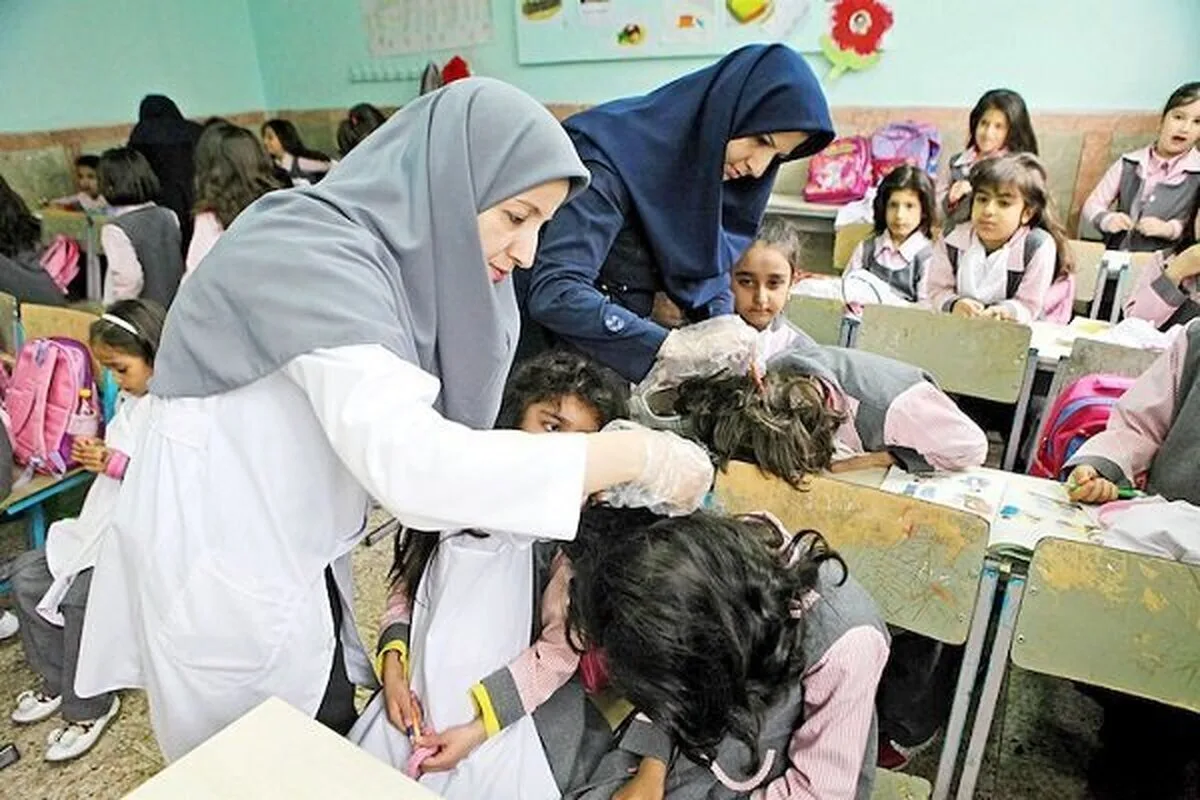
The infection of 355,537 people with head lice in the country is a wake-up call for families and the educational system. With the beginning of the school year and the reopening of schools, the cycle of transmission of infectious diseases, especially head lice, has intensified, putting students, as sensitive age groups, at risk.
Worrying Increase in Infestation in Tehran
Research shows that the infestation rate of head lice in Tehran province was significantly higher than the national average, with a rate of 7.8% during the 2017–2018 school year. While the national infestation rate increased from 1.72% to 3.42% during the same period, this figure in Tehran grew 6.8 times. According to Sena Aibpoush, head of the Water and Foodborne Diseases Department of the Ministry of Health, in 2025, 78% of the total 355,537 cases of infestation occurred in the age group of 6 to 18 years and in school-aged children.
Read more: Jujube and Its Effect on Blood Pressure; A Truth You Should Know
Psycho-Social Challenges Caused by Lice
Head lice are not recognized as a pathogen, but they bring psychological effects and disrupt students' educational processes. Lack of parental awareness about proper prevention and treatment methods sometimes leads to the use of arbitrary methods that can threaten children's health. Therefore, precise understanding and proper management of this issue is essential for families and schools.
According to Dr. Fatemeh Mirzaei, a general practitioner, lice can quickly transfer from one person to another, and this issue requires special attention from families and schools. The transmission of lice mainly occurs through direct head-to-head contact and also through the use of shared items such as hats and combs. These parasites can easily spread in crowded environments, making the identification and control of sources of infestation in schools necessary.
Dr. Mirzaei emphasizes that instead of stigmatizing infected students, they should be treated as individuals in need of help. One common mistake in educational environments is confusing lice eggs with dandruff. Definitive diagnosis of the disease is only possible by observing adult lice or their eggs on the hair shaft or clothing.
Ultimately, close cooperation between home and school is essential for controlling and managing this disease. Families should take scientific and prompt action through regular screenings and visits to health centers to prevent its spread in communal environments. Additionally, using treatment methods such as permethrin shampoo and maintaining personal hygiene are among the important measures in this regard.
Read more: Surge of Influenza and COVID-19 in Iran; A Worrying Situation in Two Provinces · High Blood Pressure; A Silent Threat in Daily Life