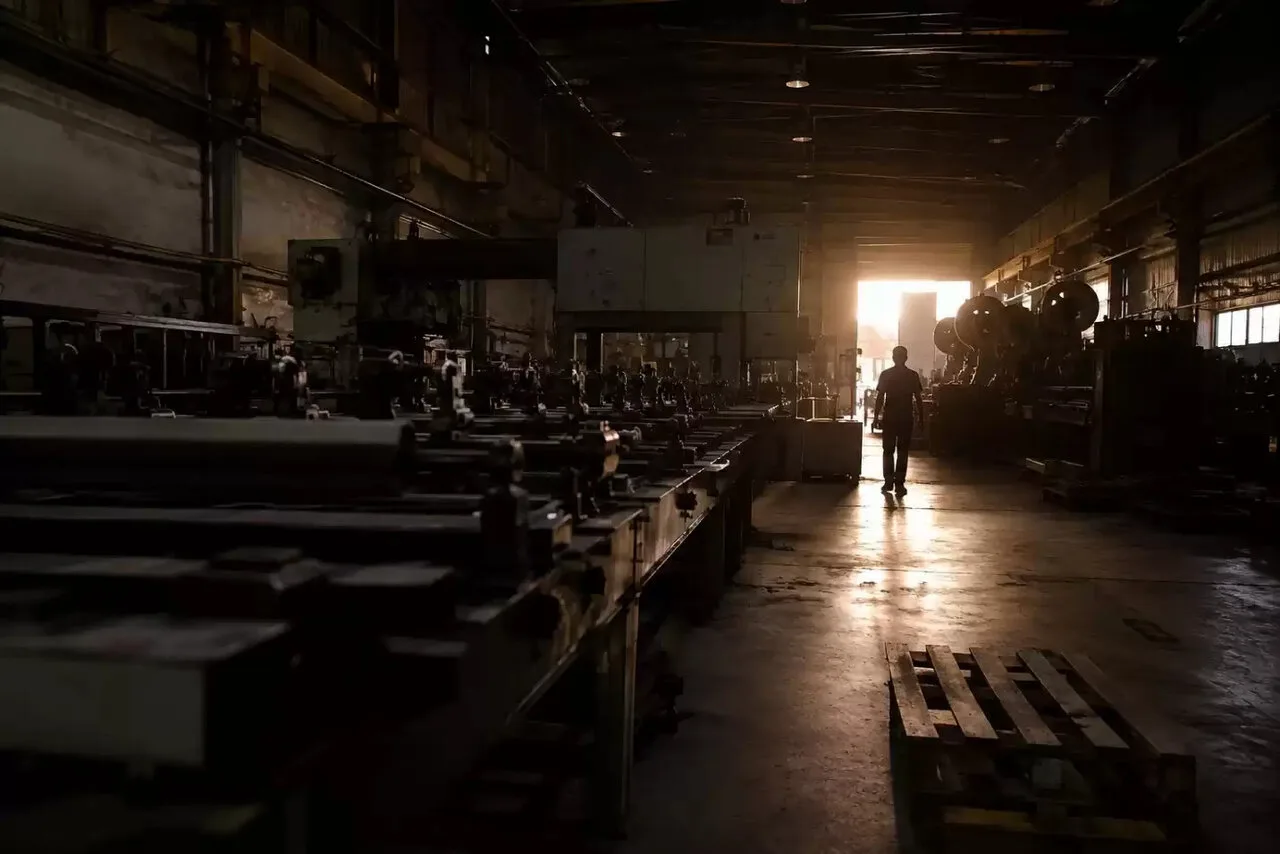
Industrial managers, considering the imbalance between electricity production and consumption and the increased demand during the hot and cold seasons, are seeking new solutions to address planned power outages. These outages have become one of the most significant challenges for industrial businesses and can lead to substantial losses for them.
Damage Caused by Power Outages
Power outages mean more than just shutting down a few machines; they can result in the loss of raw materials, decreased productivity, damage to sensitive equipment, and delays in order deliveries. In these circumstances, industrial managers must manage energy as a strategic infrastructure and reduce dependence on the unstable conditions of the power grid.
Read more: Challenges of Farshid Ilati and Mehdi Mohammadi Beknazar in the Taxation of Empty Houses
Transition to Independent Energy Supply
One of the main strategies for industries to reduce the risk of power outages is moving towards independent energy supply. Utilizing small-scale power plants and distributed generation (DG) can help factories meet part of their energy needs independently of the grid. This model allows industries to transform their energy requirements from an uncontrollable cost into a manageable asset with a long-term perspective.
The development of renewable energy is also one of the important paths for industries in the coming years. Many industrial units are constructing solar power plants or participating in renewable projects to not only meet part of their electricity needs but also benefit from the legal advantages of this sector. Green electricity, as one of the new tools in the energy market, facilitates the buying and selling of electricity generated from renewable sources and plays a significant role in energy management for industries.
Energy Risk Management and Precise Planning
Energy risk management should be designed to be flexible against market changes, increased consumption, and new regulations. Utilizing capacity certificates in the electricity market to manage production and consumption capacity and create more reliable mechanisms for energy supply is one of the important tools in this regard. Large industries, by accurately understanding the mechanisms of the electricity market and planning to secure their required capacity, can make more precise decisions for developing their energy infrastructure.
Recent years have shown that energy management is no longer just a technical issue; it is directly related to profitability, production continuity, and the competitive position of companies. Industries that enter peak consumption seasons without a clear plan often have to bear the costs resulting from production stoppages or emergency solutions at higher costs.
In a situation where energy has become one of the determining factors of production, decisions about electricity should not be made only at the time of outages. Successful industries design their comprehensive energy plans before the onset of high-risk seasons. This plan can include independent electricity supply, renewable energy development, and precise infrastructural planning.
Managers who make energy management decisions today will operate in the future with lower risks and greater competitive power. The energy imbalance crisis has shown that waiting for the complete resolution of grid issues is not a reliable solution for industries. Factories and production units must move towards models that provide greater control over their energy sources.
Read more: Mexico and Canada, the Most Dependent Countries on the U.S. Market · UK Regulatory Body Warning: Higher Energy Bills on the Way!