Stationery production in Iran has reached a turning point; Mohsen Golestani, the head of the stationery union, announced that the share of domestic production in the market is about 80%. This increase compared to last year, when the share of domestic production was about 60%, is due to import restrictions and logistical issues.
Challenges of Securing Raw Materials
However, Mohammad Vosali, the director general of the stationery office at the Ministry of Industry, Mine and Trade, has stated that the depth of domestic production in this industry is over 85%. In the first six months of this year, about 350 million stationery items have been produced in the country. Jamshidi, a producer in the stationery sector, estimates this share to be over 85% and points to the impact of import restrictions on increasing the share of domestic producers.
Read more: 43-fold increase in the rent of giant oil tankers in the Strait of Hormuz
However, the problems of securing raw materials continue to plague producers. Jamshidi emphasized that part of the raw materials for producing pens and markers is sourced from countries like India and China, and the rising costs of securing foreign currency directly affect the final price of products. The greater dependence of producers on securing pen tips, which are specialized components, is another challenge that forces producers to import them.
Impact of Currency Fluctuations on the Market
Mahmoudreza Sanatkhar, the head of the stationery producers association, cited fluctuations in the prices of petrochemical raw materials and currency restrictions as problems for producers this year. Jamshidi also pointed to the constant changes in prices, stating that the time gap for price changes has significantly decreased. In the past, producers typically adjusted prices once a year, but now this interval has reduced to monthly.
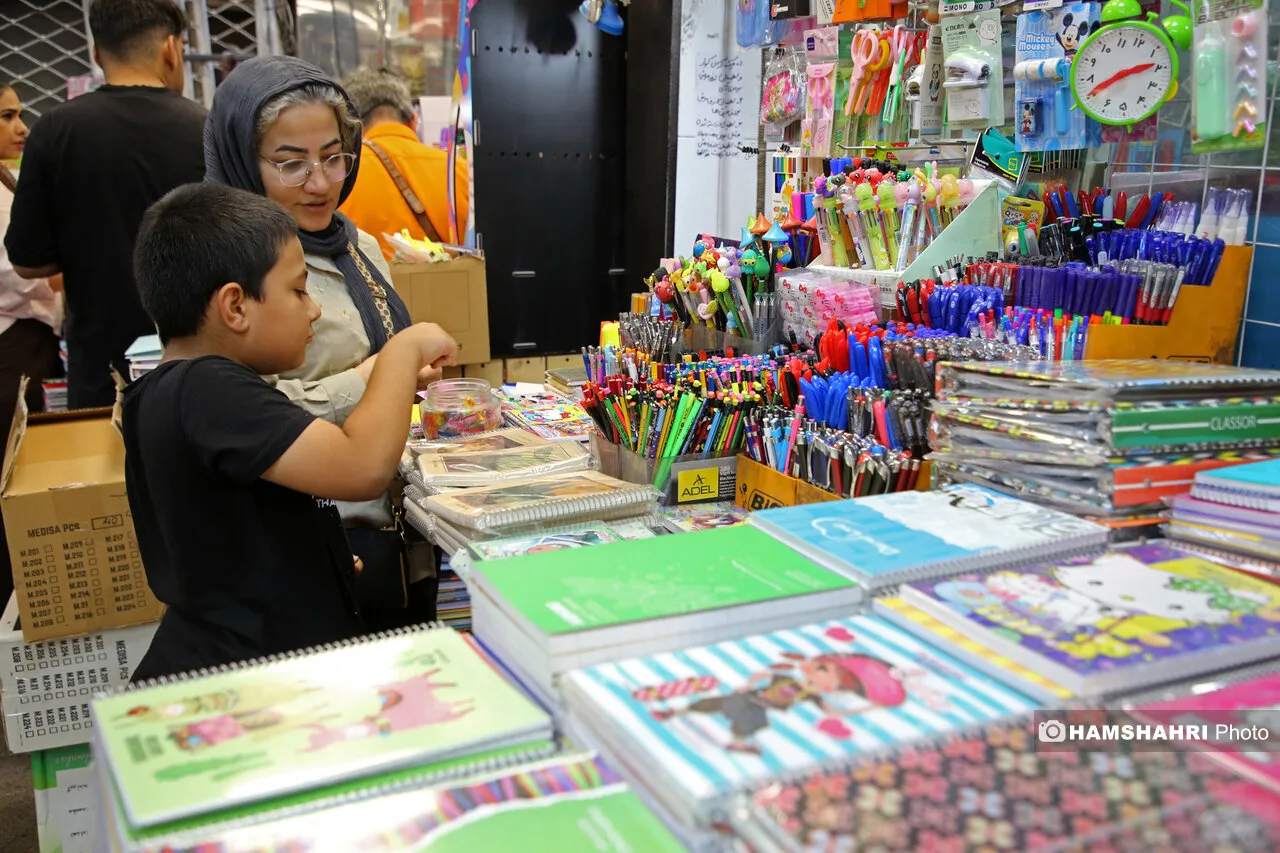
Despite these concerns, field studies show that stationery sellers have not faced a serious shortage of goods, but price fluctuations have severely impacted their activities. Two sellers reported that they currently do not have specific problems in securing goods, but the constant changes in prices have made things difficult for them.
Decreased sales and increased customer sensitivity to prices are also among the other consequences of this situation. According to sellers, customers are more price-sensitive than before, which has led to a reduction in the amount of stationery purchased. Jamshidi also warned that if import restrictions and challenges in securing raw materials continue, producers will face serious problems.
Read more: Holding the ninth meeting of the Foreign Economic Relations Coordination Headquarters at the Ministry of Foreign Affairs · A hint from the IRIB presenter to the Minister of Agriculture regarding the reduction of prices of goods