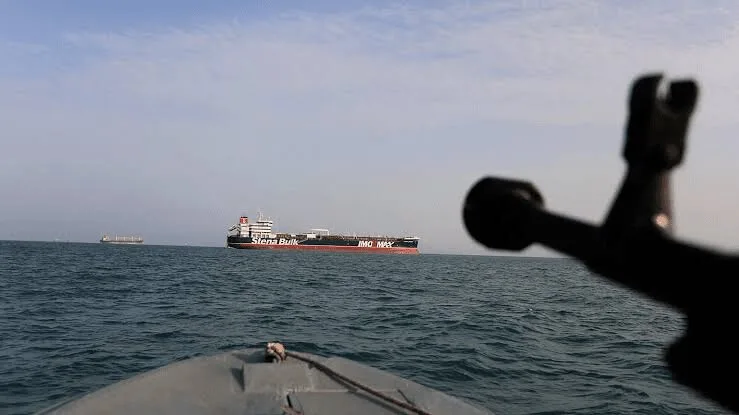
The increase in freight rates for giant tankers in the Strait of Hormuz has become a significant issue in the global oil market. Currently, the transportation rate for these tankers has reached $1.3 million per day, indicating a 43-fold increase compared to the initial rate at the beginning of this calendar year.
Rising Oil Prices and Their Impact on Freight Rates
In January 2023, the freight rate for tankers was around $30,000, which was estimated to be $1.73 per barrel of crude oil. This price accounted for only 3% of the delivery cost of crude oil from West Asia to East Asia. However, with the onset of conflicts and geopolitical tensions, especially following the US and Israel's attack on Iran, the price of oil rose from around $70 to $126, and is currently above $102 per barrel.
Read more: Kerman, the Most Copper-Rich Province in the Country with Unique Exploration Reserves
Energy Markets and Price Analysis
The energy and maritime market consulting and analysis firm, Puten, has recently estimated the physical oil price to be around $120 per barrel. This price increase has significantly impacted tanker freight rates, which are now approximately $33 per barrel, accounting for 27% of the total crude oil delivery cost.
This situation has not only affected transportation costs but has also raised concerns about energy supply in global markets. Given the current conditions, it seems that this upward trend will continue, and we may witness more fluctuations in prices in the near future.
While oil prices are heavily influenced by political and military developments, it should be noted that global energy markets are highly dependent on these changes. For this reason, analysts predict that this situation could impact fuel prices and the cost of living for people in various countries.
Read more: Providing 85% of the Country's Food Needs Despite the Maritime Blockade · Iran and Pressure Levers Against the US