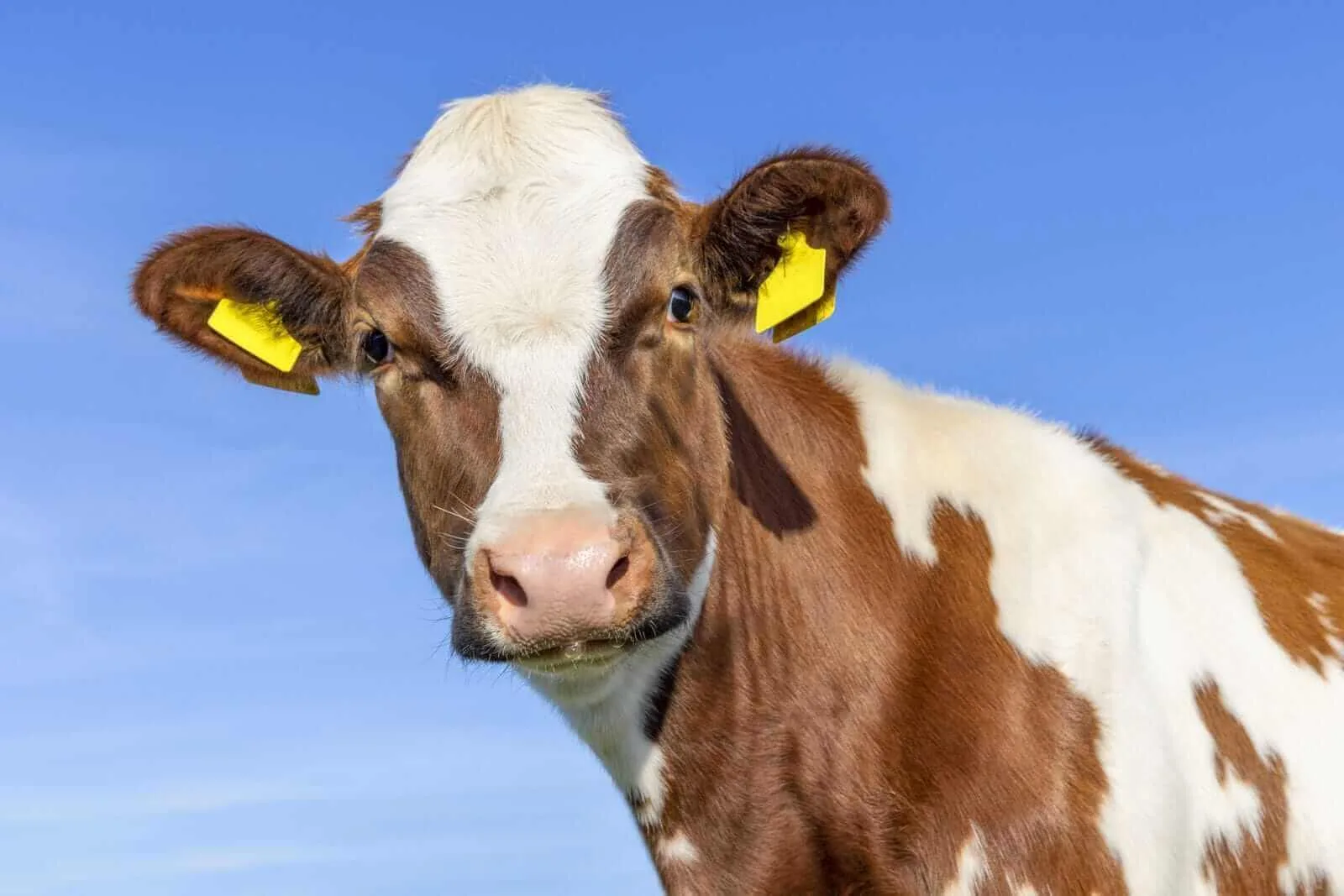
In recent days, the price of live animals has significantly increased, reaching its highest level in the past two weeks. This increase has raised alarms for buyers and sellers, prompting questions about the future of the meat market and its effects on consumers.
Factors Influencing Price Fluctuations
Some experts believe that various factors are influencing these fluctuations. Among them are adverse weather conditions and a shortage of fodder, which lead to increased production costs. Additionally, high domestic demand for meat and changes in trade policies have also fueled this upward trend.
Considering that the price of live animals directly affects the final price of meat, concerns about the impact of this increase on household purchasing power are palpable. Many consumers are worried that this price hike will make access to quality meat more difficult for them.
Forecasts and Reactions
Analysts predict that if this trend continues, the price of meat in local markets will also rise significantly. This situation could lead to public dissatisfaction and put more pressure on the government and relevant authorities to take measures to control prices.
While some livestock farmers are pleased with this price increase, consumers and market players are concerned about its consequences. It seems that in the coming days, the livestock market will face more challenges due to price fluctuations, which could impact families' economic decision-making.