The Israeli cabinet recently announced that after the elections on October 27, 2026, it will implement new economic and tax programs aimed at controlling the budget deficit and covering military expenses. This decision comes at a time when many residents of the occupied territories are struggling with serious livelihood issues, and these policies could impose an even greater financial burden on them.
Economic and Social Consequences of the New Policies
The strict economic policies, particularly in the area of taxes, reflect the serious concerns of the Israeli government regarding the country's financial situation. Given the budget deficit, which has always been one of the main challenges for governments in Israel, these measures are designed not only to cover military expenses but also to impact the livelihood problems of the people.
Read more: Uber Eats drivers in France are increasing travel costs with special tricks
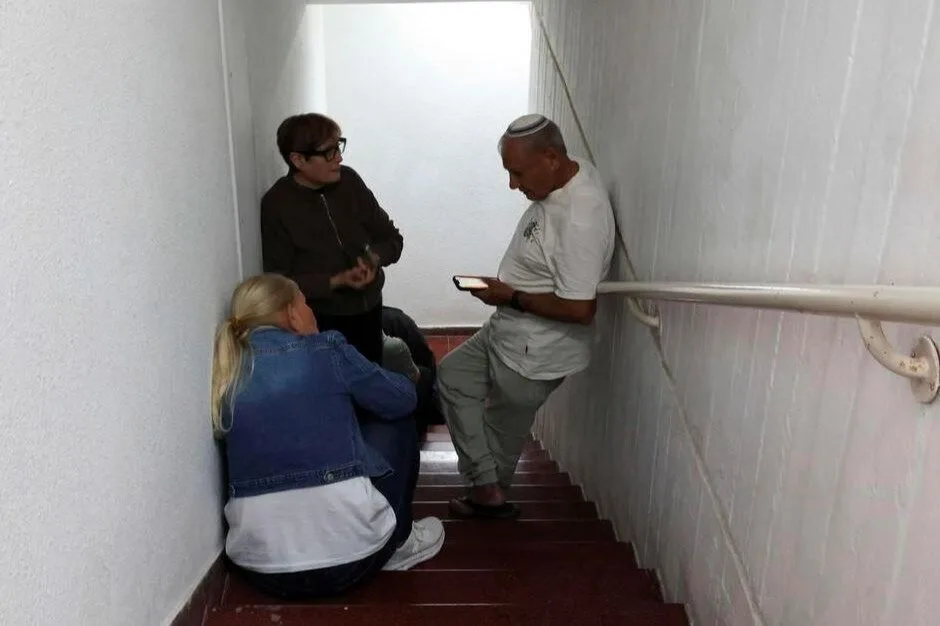
The impacts of these actions on the daily lives of residents in the occupied territories could be significant. With rising taxes and costs, many families may face even more serious financial crises. While the government claims that these policies are essential for ensuring the security and stability of the country, economic realities can severely affect the quality of life for the people.
Concerns About Increased Public Discontent
With the increasing financial pressures on families, concerns about public discontent have risen sharply. Many economic experts believe that these policies could lead to increased social protests. In recent years, residents of the occupied territories have repeatedly taken to the streets against the government's economic and social policies, and now, with these new measures, the likelihood of increased protests seems greater than ever.
The Israeli government must pay attention to the fact that any economic policy that leads to more pressure on the weaker segments of society could have serious consequences for social stability. In such circumstances, maintaining a balance between meeting military and economic needs and supporting people's livelihoods is of special importance.
Ultimately, it seems that the economic and social future of the occupied territories will be significantly affected by these new policies, and residents will have to face new challenges in their daily lives. Politicians and decision-makers must recognize that their actions can impact the fate of many families and should consider the social consequences of these policies in their decision-making.
Read more: Karamat Veys Karami: A person has visited for refueling 105 times in one day · Mahariv's warning about the war with Iran; Israel will not win