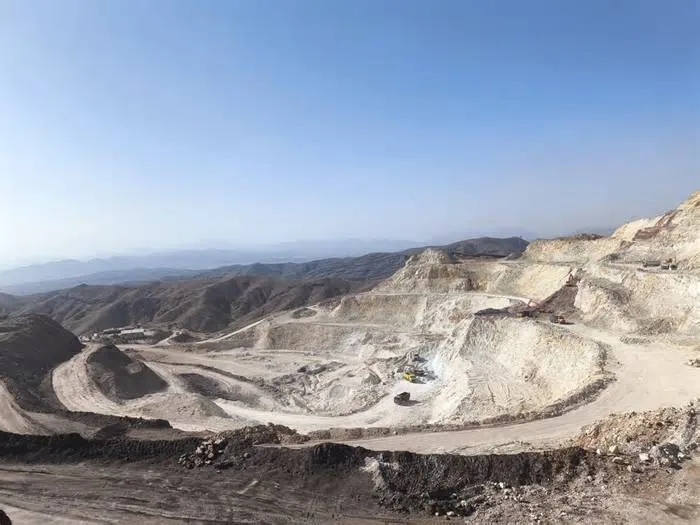
The Natural Environment Department of the Environmental Organization announced the identification of 19 mines in the protected area of Bahram Gur. This area is recognized as the densest habitat for the Persian gazelle in the country and these mines are set to receive exploitation permits. This action raises environmental concerns regarding the future of Persian gazelles and the ecosystem of this region.
Environmental Challenges Due to Mines
The Persian gazelle is one of the endangered species that lives in the dry and semi-dry habitats of Iran. With the identification of these 19 mines, serious questions arise about the impacts of these mines on the natural habitats of this species and also on the biodiversity of the region. Exploitation of the mines could lead to habitat destruction, water and soil pollution, and a reduction in food resources for Persian gazelles.
Conservation Efforts and the Future of the Persian Gazelle
Environmental organizations and activists in this field are deeply concerned about the consequences of this decision. They believe that immediate actions must be taken to protect this species as well as other animal species living in this area. In recent years, significant efforts have been made to protect the Persian gazelle, and these mines may undermine all these efforts.
In a situation where the country is grappling with economic and social problems, decisions related to natural resources require more precision and attention. Ignoring environmental conditions could not only lead to the extinction of the Persian gazelle but also negatively impact the entire ecosystem of the region.
Given the high importance of the Persian gazelle and its role in maintaining ecosystem balance, it is essential for the relevant authorities to consider environmental aspects in their decision-making and to prevent the development of mines in these sensitive areas.