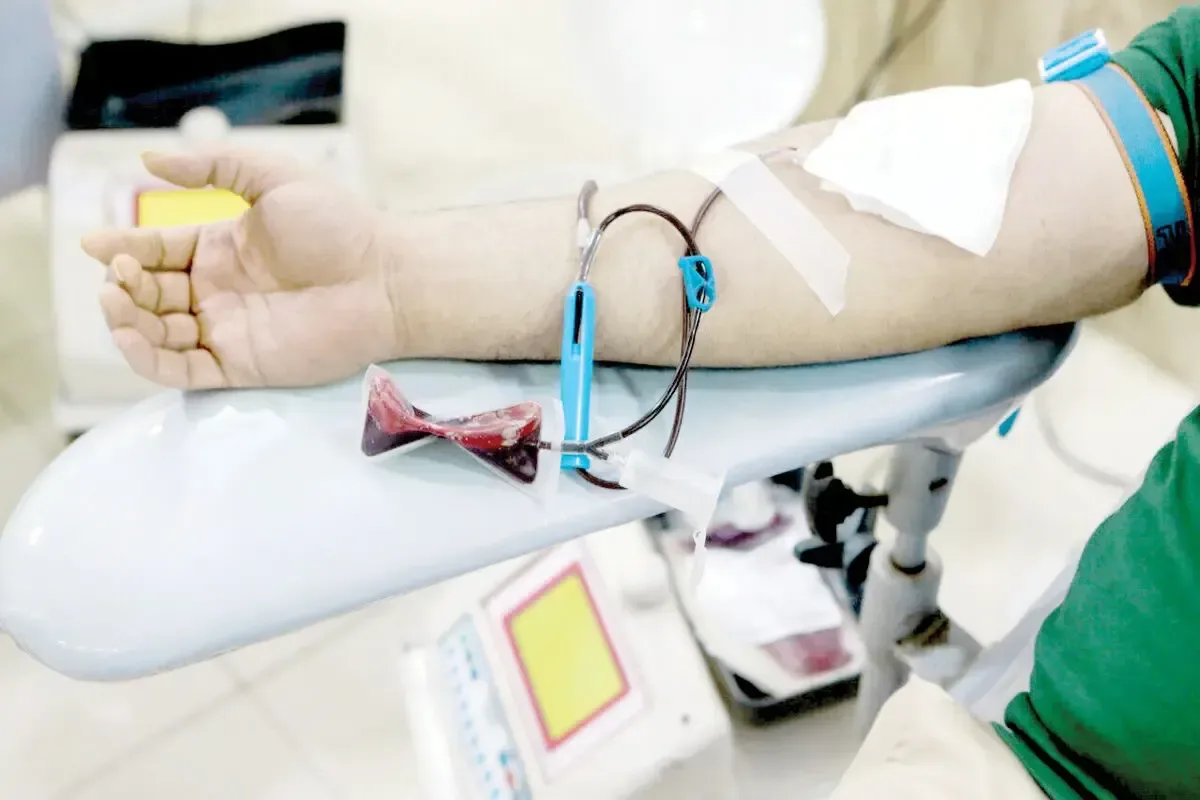
Hemophilia and thalassemia patients in Iran are currently facing serious challenges in accessing medication and treatment for various reasons. These problems not only affect their quality of life but can also have irreparable consequences. The sanctions and the removal of preferential currency for drug imports, especially for patients who require lifelong treatment, have created a critical situation.
Drug Supply Chain and Existing Challenges
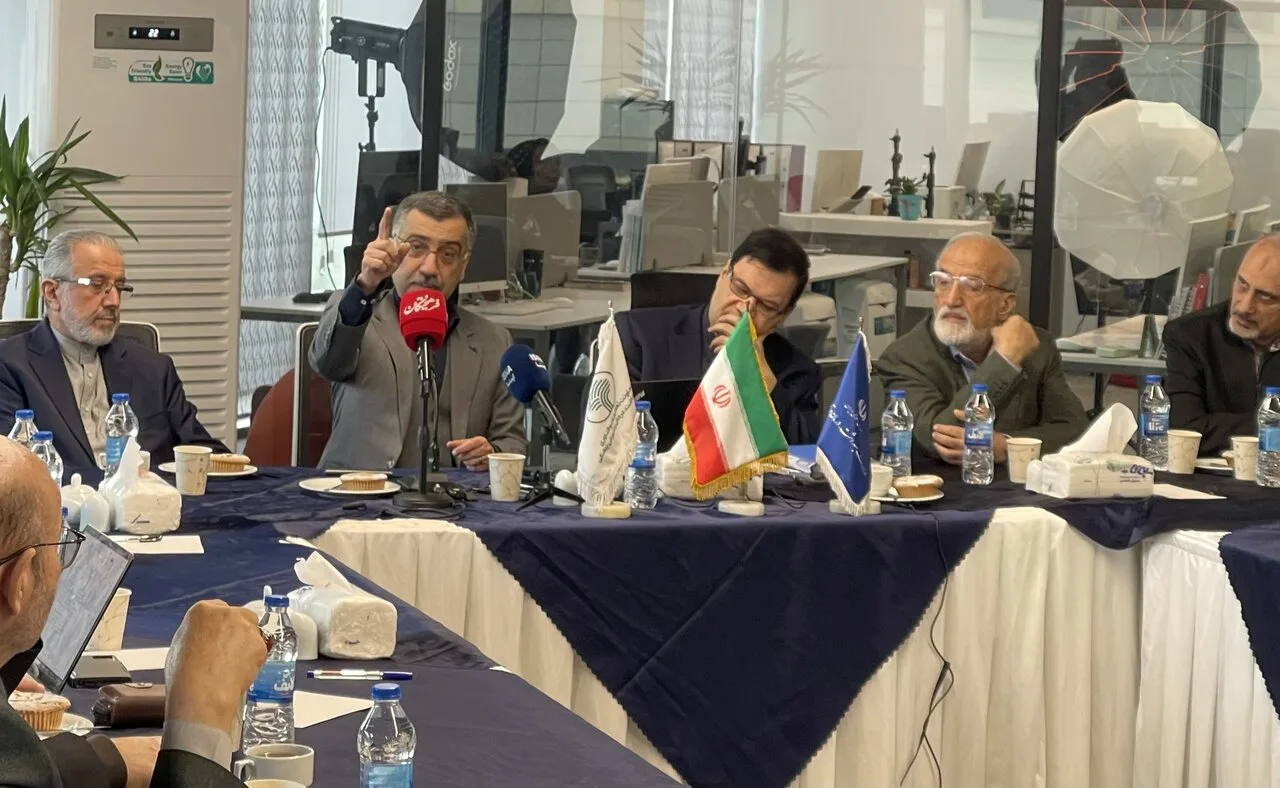
The drug supply chain in the country includes drug manufacturing factories, importing companies, and pharmaceutical service centers, which seem to have overlooked the distribution sector and insurance organizations. Younes Arab, the CEO of the Thalassemia Association of Iran, points to the lack of equity in drug distribution across different regions of the country, stating: "There is absolutely no equity in drug distribution in various regions of the country. While the majority of our patients are in the outskirts, it seems that there is a belief that the usual domestic drugs are sufficient in less privileged areas."
Read more: The Nurse Follow-Up Program for Patients Has Helped Reduce Hospital Visits
Shortage of Vital Medications and Its Impact on Patients
Hemophilia and thalassemia patients are at the center of vulnerabilities due to their need for specific treatments and special medications. According to statistics, there are over 16,000 hemophilia patients and 23,000 thalassemia patients in the country. The necessary medications for these patients are usually imported from abroad, and with recent sanctions, access to these medications has been severely restricted. Ahmad Ghoidell, the former CEO of the Hemophilia Association, highlights the importance of Factor 8 and Factor 9 medications, stating: "The import of coagulation drugs has been halted due to sanctions, and now the domestic production of these drugs, which has different quality, is facing significant issues in quality control."
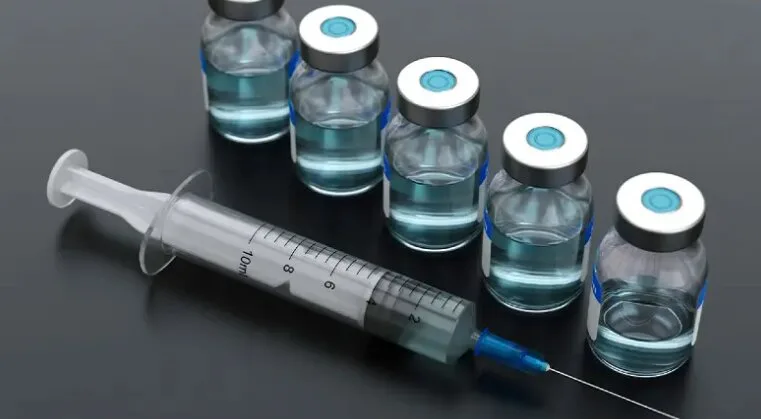
Hemophilia patients require recombinant and plasma-derived medications that are frequently in short supply due to currency problems. Meanwhile, other vital medications such as fibrinogen and Factor 13 are also severely lacking, jeopardizing the quality of life for patients.
The CEO of the Thalassemia Association also points to the issues of lack of access to quality medications in less privileged areas and emphasizes that a comprehensive program for equitable distribution of medications must be developed and implemented. Meanwhile, many patients in the outskirts are deprived of access to standard medications and treatments.
Ultimately, despite numerous promises from officials to secure medications and improve conditions, the existing realities indicate that fundamental problems in the supply and distribution chain for special patients remain. This is while the lives of these patients depend on access to essential medications, and without effective measures, a bleak future awaits them.
Read more: The Medical Oath Ceremony for Non-Iranian Graduates at the Imam Reza Shrine · Dr. Fatemeh Mohammad Hosseini: The Combination of Cleaning Agents Can Threaten Lives