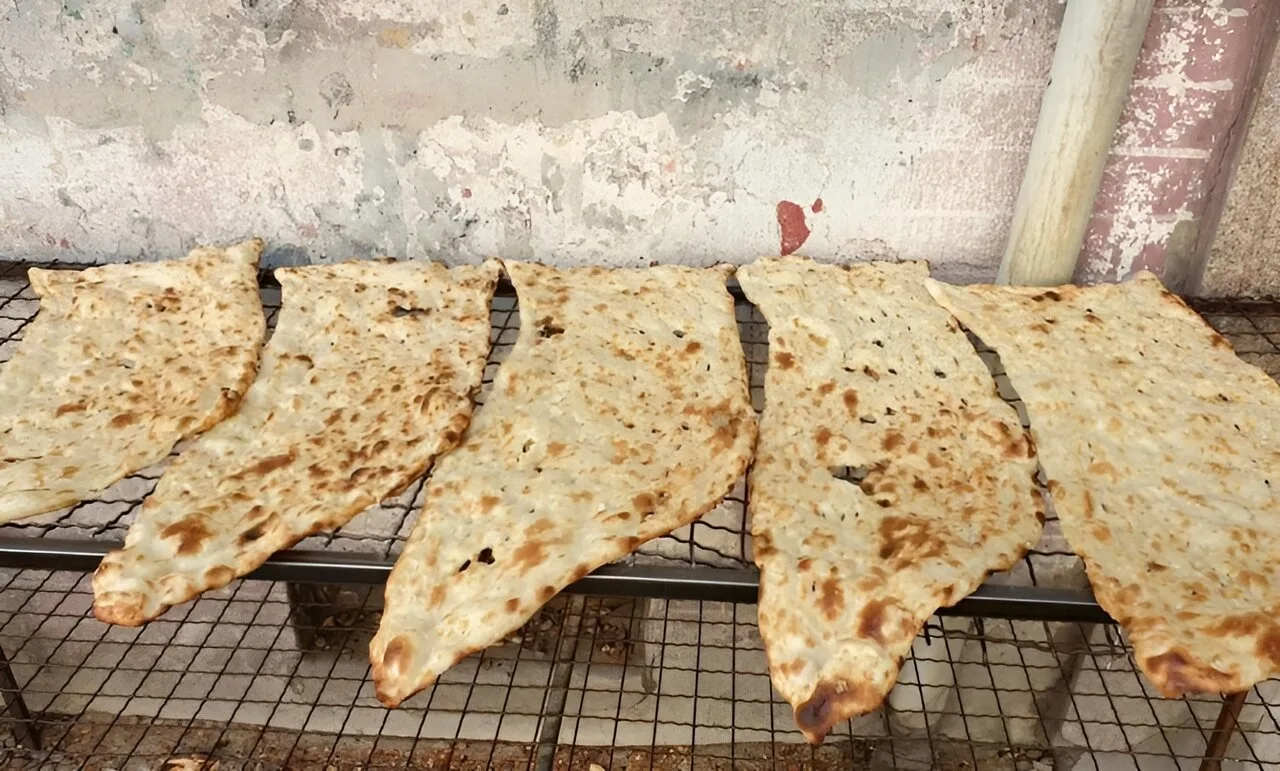
The head of Iran's Chamber of Guilds, Noudé, stated in his latest remarks that baked Sangak bread must weigh at least 400 grams. This action has been taken in response to recent public protests and complaints from parliament representatives regarding the weight of bread provided to customers.
Legal weight of Sangak bread and existing challenges
A few days ago, following public protests and criticisms from parliament representatives, Noudé emphasized that people have the right to know what weight of bread they are paying for. He stated: "Even on a package of snacks, specifications are listed, and this transparency should also exist regarding bread." His remarks indicate that officials have recognized the importance of transparency and trust-building in the bread market.
Read more: Preemptive attacks by the IRGC on the base of the Komala group in Balisan
According to available information, the dough ball for Sangak bread weighs 600 grams, but after baking, the weight of the bread should be between 380 to 400 grams. In other words, the legal and standard weight of baked Sangak bread from a 600-gram dough ball is about 400 grams. This issue is very important as bread is considered one of the main food items on Iranian tables, and any changes in its weight and quality can have significant impacts on people's daily lives.
Social and economic consequences
Setting a minimum weight for Sangak bread, in addition to helping protect consumer rights, can also affect the price of bread. Noudé said in this regard: "We must create conditions for quality bread with appropriate weight to reach the people." These statements reflect the serious determination of officials to organize the bread market and prevent potential abuses.
This decision may also lead to a reduction in public complaints and criticisms and help increase public trust in the bread distribution system. Given that bread is one of the main foods on Iranian tables, this action, especially in the current economic conditions where many families face livelihood challenges, can have a positive impact.
Ultimately, it remains to be seen whether this decision will be practically implemented in the market and whether Sangak bread with specified weight and desired quality will reach the people. To achieve this goal, there is a need for precise and continuous monitoring of the production and distribution processes of bread.
Read more: Mahdi Mazinani: 95% of illegal constructions in the Tehran perimeter have been removed · Qasem Noudé Farahani: Sangak bread will be sold by weight