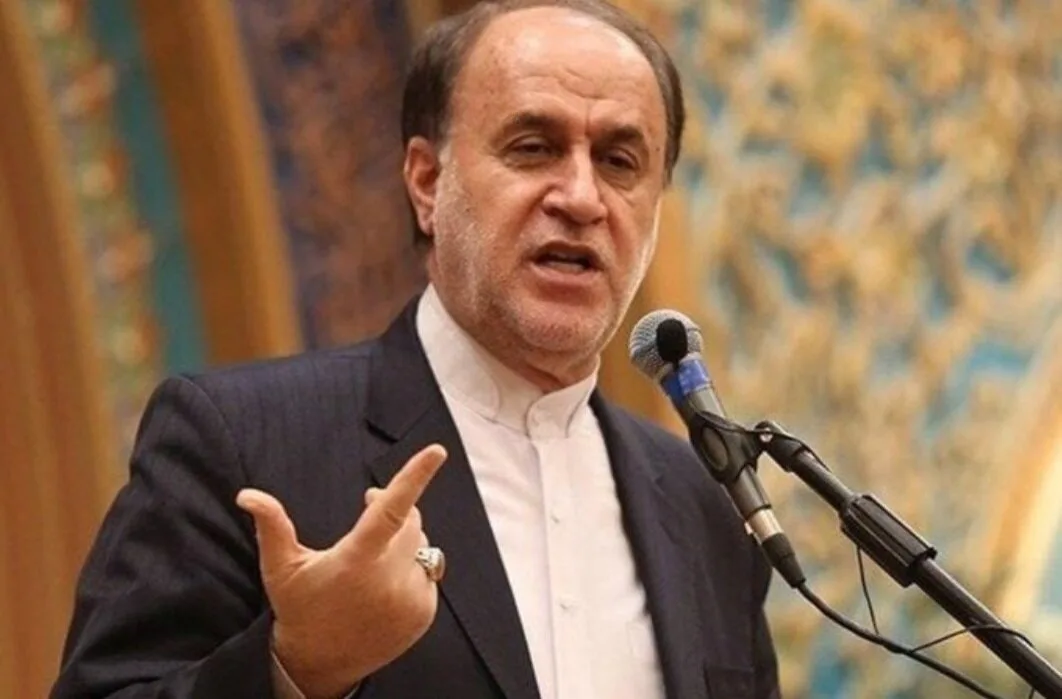
Hamidreza Hajibabaei, the representative of Hamadan in the Islamic Consultative Assembly, has come up with an important proposal for managing gasoline consumption in the country, aiming to improve the economic situation of households. He suggests that instead of distributing gasoline for vehicles, we should allocate gasoline quotas directly to the people. Based on this plan, if we consider the country's population to be 90 million and allocate one liter of gasoline daily to each Iranian, the total gasoline distributed daily would reach 90 million liters, which could adequately meet the country's needs.
45 Million Liter Savings in Gasoline Consumption
Hajibabaei pointed out the positive effects of this plan, stating: "By implementing this proposal, the government will save 45 million liters of gasoline daily." This parliament member also mentioned that with this approach, the decision-making regarding the need for gasoline would be left to the people themselves. Each individual can decide on the allocated quota based on their circumstances and needs.
Read more: Iran's heavy oil reached $105.84 in September
Economic and Social Impact of the Plan
The Deputy Speaker of the Islamic Consultative Assembly referred to the economic consequences of this plan, saying: "About 70% of the people may not need to consume their entire allocated gasoline quota." For example, a family of five could have 150 liters of gasoline available monthly, which could provide significant income for this family. In contrast, about 30% of the population who need more gasoline will have to pay more. These individuals usually have a good financial situation and can afford the extra costs of their consumption.
Hajibabaei emphasized the role of the people in determining gasoline prices in this mechanism, noting that it is the people themselves who decide how much gasoline should cost based on supply and demand. He stressed: "Implementing this method of gasoline distribution will not only reduce consumption and lead to significant savings in the country's resources but will also not increase inflation."
Read more: Ministry of Welfare and the challenges of people's livelihoods; failure to improve the economic situation · Siege and inflationary recession affect the stock market and the fate of companies