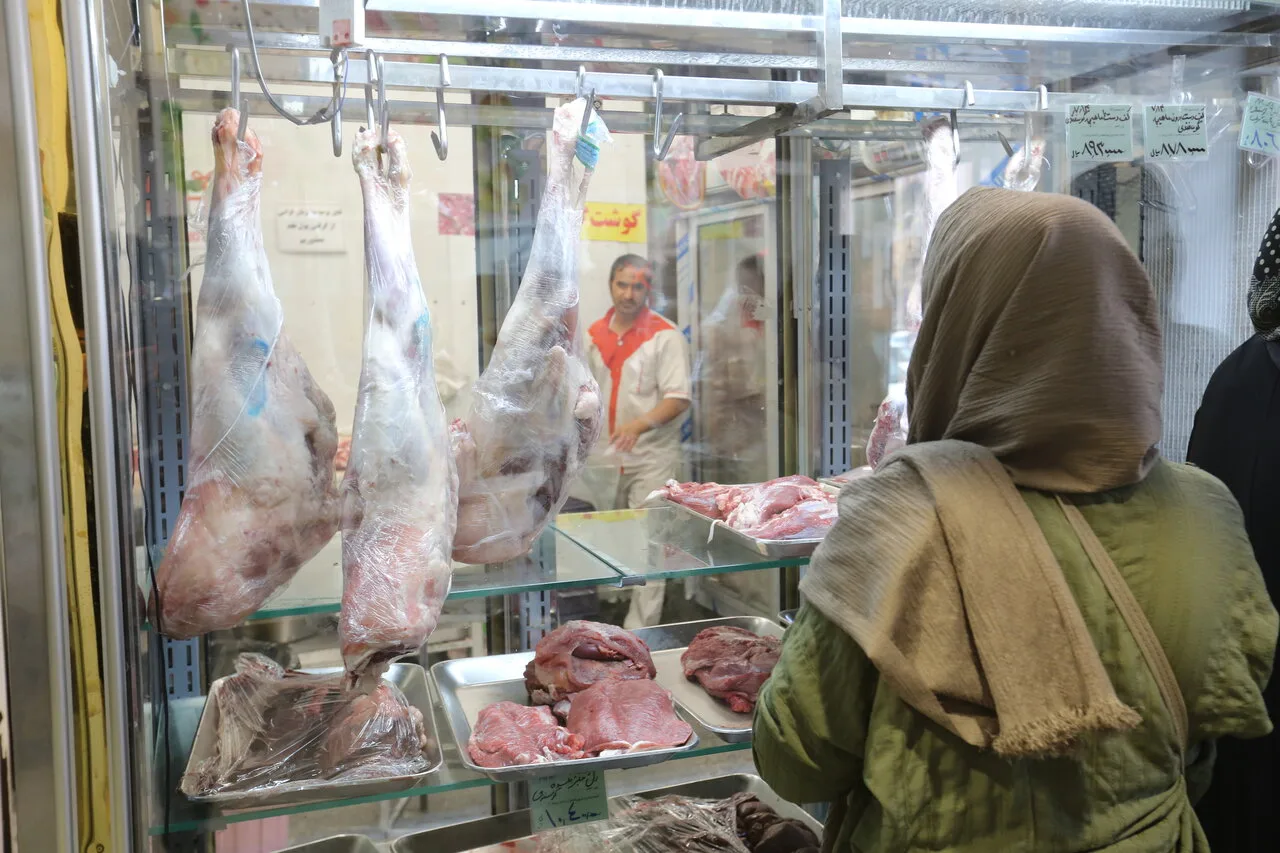
Hamid PourMohammadi, head of the Planning and Budget Organization, in his recent statements emphasized the necessity of directing supportive resources towards the needy. These statements have once again raised the issue of the range of beneficiaries of food stamps. The food stamp scheme, which initially considered a one million toman credit for all households regardless of income quintile, is now focusing on a more targeted distribution of resources due to the increased necessity of supporting low-income groups.
Emphasis on accurately identifying the needy
PourMohammadi, in this regard, pointed out the limitations of the country's resources, noting that under current conditions, individuals with sufficient income should not expect to receive subsidies. He stated: "The goal is for the government's limited resources to reach those who truly need support." According to him, approximately 44 million individuals in need have been identified, and text messages have been sent to complete their information and related questionnaires. The information of these individuals will be reviewed and verified, and those who are deemed eligible will receive support in the coming months.
Read more: Sajjad Sangasari: Concerns of food stamp sellers regarding the settlement of unfounded claims
Moving towards more targeted allocation
The head of the Planning and Budget Organization emphasized the difference between those who need livelihood support and those who have sufficient income to cover living expenses, stressing the necessity of more accurate identification of these groups. He stated that some households may face serious problems such as illness among family members, difficulties in covering children's education costs, lack of adequate shelter, or unemployment.
This approach could be a sign of the government's supportive policy moving towards a more targeted allocation of resources. If the policy of targeting support leads to a revision of the list of beneficiaries, the status of receiving credits for some high-income households may change. However, these changes depend on the official decision of the government and the method of assessing the economic status of households.
On the other hand, identifying needy individuals and increasing their supportive credits, without establishing clear criteria and providing accurate information about how to assess household income and assets, could raise questions about how to enter or exit the list of beneficiaries. Ultimately, what emerges from PourMohammadi's statements is an emphasis on allocating resources to those in need.
Read more: Donald Trump and the economic challenges of America in the new era · Extension of the deadline for requesting an increase in food stamp credit until October 19