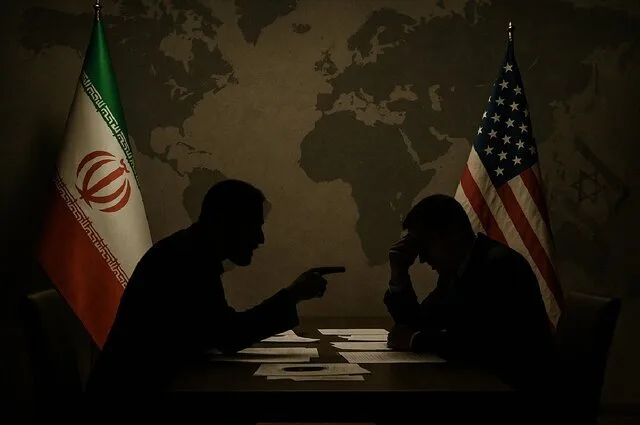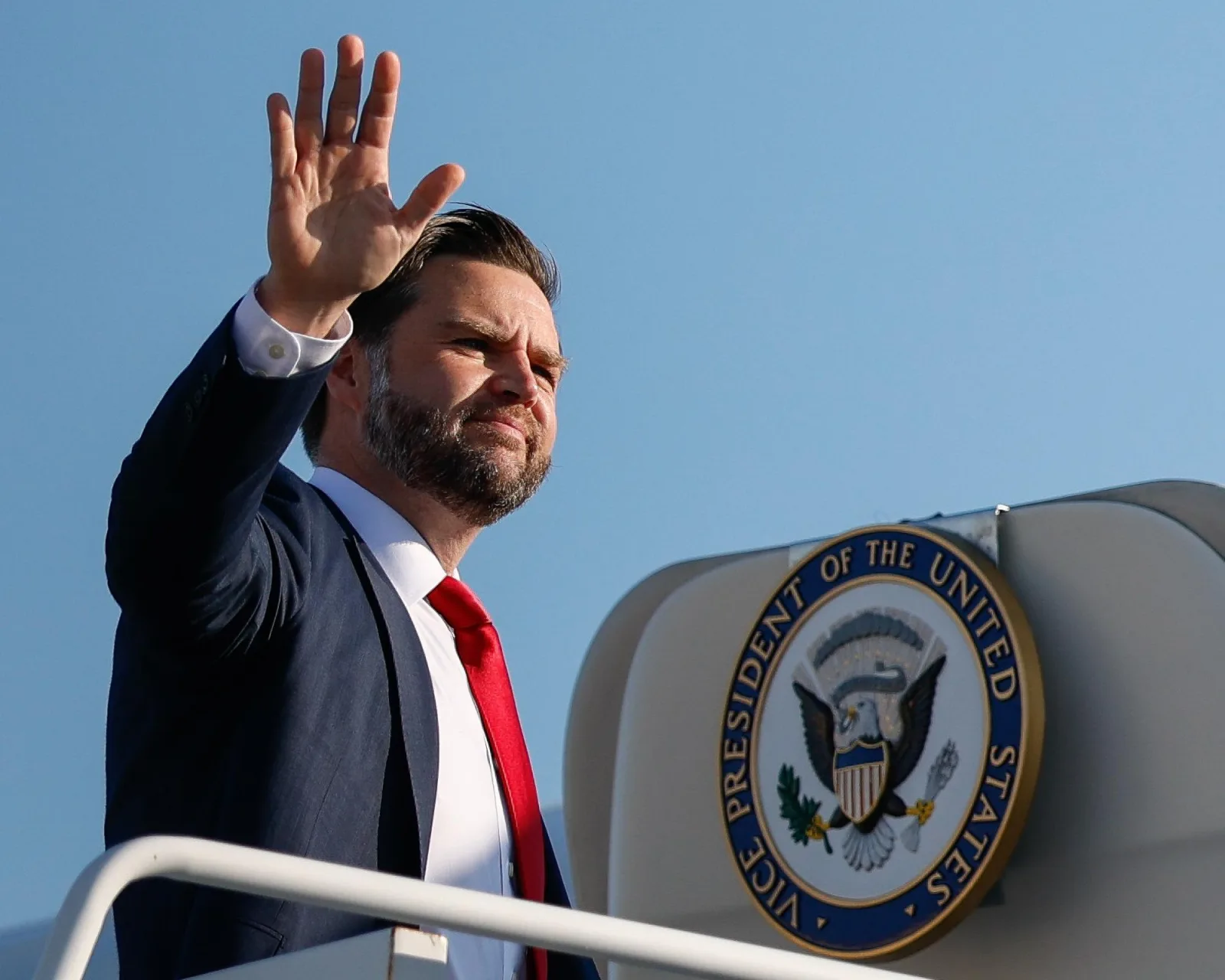
Greg Stanton, the U.S. Vice President, has revived hopes for preventing new conflict between Iran and the United States by sending a letter to Mohsen Rezaei, the head of Iran's Supreme National Security Council. This letter, written after primarily Qatari mediation, offers the Islamic Republic a chance to resume diplomatic negotiations.
Iran's Proposals and Conditions
In this letter, Stanton has asked Iran to accept commitments regarding its nuclear program at the start of a new process, so that in exchange for the reduction of U.S. sanctions, the Strait of Hormuz would be reopened within seven days. However, Iran is reluctant to make irreversible commitments regarding its nuclear program, such as exporting enriched uranium reserves to a third country, and is concerned that U.S. compensatory actions, such as lifting oil sanctions, could also be reversible.
Read more: Zakani: The potential of students should be utilized in schools, mosques, and communities
Challenges and Concerns
Iran is seeking guarantees from a third country to ensure that both sides adhere to their commitments. China has been discussed as the only country that could provide such guarantees. Stanton's return to negotiations, as someone who has doubts about war, is a sign that the United States hopes for diplomacy.
However, while the United States is seeking specific and immediate commitments from Iran, Tehran is strongly resisting losing its bargaining leverage. Mohammad Baqer Qalibaf, Iran's chief negotiator, wrote on social media platform X: "Iran's conditions have been repeatedly and clearly communicated to the mediators. The stick-and-carrot approach has no effect on Iran."
Political and Military Implications
By putting forth these demands, Iran is also seeking to end the war on all fronts and establish a ceasefire with Israel in Lebanon. Concerns about the possibility of new conflict in the region have increased, and some U.S. officials, including Chris Murphy, a senator from Connecticut, have strongly warned against U.S. military plans. He described these plans as "madness" and emphasized that such actions could escalate tensions and undermine U.S. commitments to the rule of law.
While Tehran has some trust in Stanton as someone who might be able to revive diplomacy, it remains skeptical about his status and ability to influence Washington's decision-making. These concerns, especially after the collapse of past agreements, have led Iran to exercise more caution in negotiations.
The Future of Negotiations and Diplomacy
Meanwhile, Tehran has suggested on the sidelines of the United Nations General Assembly that the timeline for nuclear negotiations could be shortened, stating that they could begin negotiations within six or seven days after the reinstatement of sanctions exemptions on Iran's oil exports.
Given the complex situation and the challenges ahead, the future of negotiations and the possibility of renewed diplomacy between Iran and the United States remains uncertain. However, Greg Stanton's letter could be a clue for a different future.
Read more: General Hassan Hassanzadeh's condolences to the family of martyr Mohammad Reza Talebi at the memorial ceremony · Iran's condition for starting negotiations with the U.S. and response to the removal of enriched uranium